
Lagos Economic Roundtable to Shape 2027 Development Priorities
“The economic outlook for 2027 requires deliberate policy choices that will strengthen our resilience, sustain economic growth and...
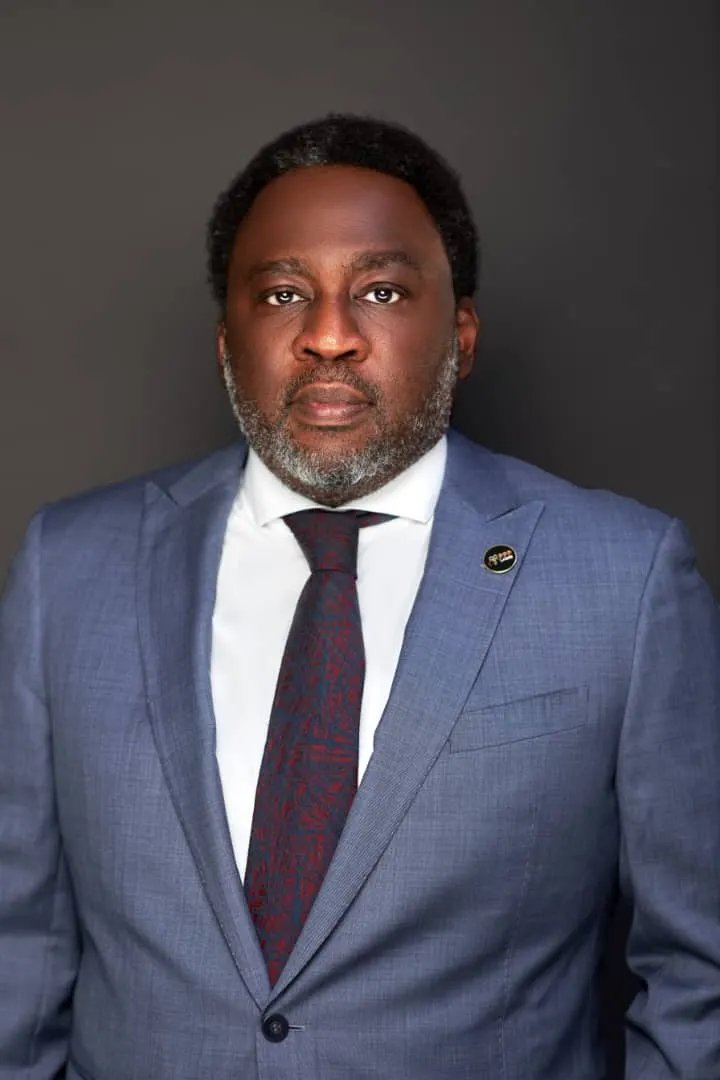
The Lagos State Government has announced plans to host the fourth edition of the Lagos Economic Roundtable on Wednesday, November 4, 2026, as part of efforts to assess the state's economic outlook for 2027 and establish strategic priorities for sustainable growth.
The event, organised by the Ministry of Economic Planning and Budget, is expected to bring together policymakers, economists, development partners, business leaders and private sector stakeholders to examine emerging economic trends and identify opportunities for strengthening Lagos' economic competitiveness.
The roundtable will be held under the theme “Development Pathways, Emerging Risks and Strategic Policy Priorities.”
Discussions will focus on fiscal sustainability, infrastructure development, investment mobilisation, employment generation, economic diversification, food security, climate resilience and evidence-based governance.
The engagement comes as Lagos continues to confront the challenge of balancing infrastructure investment, public service delivery and economic expansion with the need for fiscal discipline and inclusive development.
Lagos Targets Strategic Economic Planning
According to the Director of the Economic Intelligence Department, Mr. Akinkunmi Alao, the roundtable is intended to provide a platform for examining economic indicators, evaluating emerging trends and developing policy responses capable of strengthening the state's economic resilience.
The initiative is also expected to encourage collaboration between government institutions, development organisations and private sector participants.
Such engagement is particularly important for Lagos, where rapid urbanisation, population growth and expanding commercial activity continue to increase demand for transport infrastructure, housing, electricity, healthcare and other essential services.
By bringing together stakeholders from different sectors, the government aims to develop a broader understanding of the opportunities and risks that could influence economic performance in 2027.
The discussions are expected to contribute to policy recommendations that support long-term development while addressing immediate economic pressures.
Fiscal Sustainability and Infrastructure Investment
Fiscal sustainability will feature prominently in the discussions as the state considers how to finance development priorities without undermining long-term financial stability.
Infrastructure investment remains central to Lagos' economic ambitions, particularly in transportation, energy, housing and urban development.
However, expanding infrastructure requires substantial financial resources, making effective revenue mobilisation, expenditure management and investment partnerships important considerations.
The roundtable provides an opportunity to examine approaches to financing critical projects while maintaining fiscal discipline.
Private sector participation could also play a significant role in supporting infrastructure development, particularly where public-private partnerships offer viable opportunities for mobilising capital and improving service delivery.
For businesses and investors, clearer infrastructure priorities and predictable policy implementation can help strengthen confidence in the state's long-term economic prospects.
Government Emphasises Inclusive Growth
The Commissioner for Economic Planning and Budget, Mr. Ope George, said the engagement reflects the government's commitment to forward-looking economic planning and strategic decisions that promote sustainable and inclusive growth.
“The economic outlook for 2027 requires deliberate policy choices that will strengthen our resilience, sustain economic growth and position Lagos for greater competitiveness,” George stated.
He emphasised the importance of aligning economic policies with the state's broader development objectives.
“Our focus must remain on fiscal sustainability, infrastructure, innovation, employment generation and inclusive growth, while ensuring that our policies are aligned with the long-term vision of the Lagos State Development Plan 2052,” the commissioner added.
The Lagos State Development Plan 2052 provides a long-term framework for the state's development ambitions, making consistency between annual economic priorities and longer-term objectives an important consideration.
Employment, Investment and Economic Diversification
Employment generation and economic diversification are also expected to receive attention during the roundtable.
As Nigeria's leading commercial centre, Lagos hosts businesses operating across financial services, manufacturing, technology, logistics, trade and the creative economy.
Strengthening these sectors could support job creation, attract investment and expand opportunities for small and medium-sized enterprises.
The discussion on investment mobilisation is particularly relevant as businesses continue to assess operating costs, infrastructure availability, regulatory conditions and market opportunities.
[irp]
For policymakers, improving the business environment requires coordinated efforts that encourage entrepreneurship while addressing structural challenges affecting productivity.
Economic diversification could also help reduce exposure to disruptions affecting individual industries and create additional opportunities for businesses operating outside traditional commercial sectors.
Food Security and Climate Resilience
Food security and climate resilience will form another important part of the economic discussions.
Although Lagos is primarily an urban economy, its food supply depends significantly on agricultural production, transportation networks and commercial relationships with other parts of Nigeria.
Disruptions to supply chains, transportation costs and agricultural production can therefore affect food availability and household expenditure across the state.
[irp]
Addressing these challenges requires policies that strengthen food distribution systems, improve logistics and encourage investment in agricultural value chains.
Climate resilience is equally significant because flooding, extreme weather and environmental pressures can disrupt commercial activities, damage infrastructure and increase the cost of maintaining essential services.
Integrating climate considerations into infrastructure planning and economic policy could help reduce long-term risks.
Evidence-Based Governance Takes Centre Stage
Another major objective of the roundtable is to strengthen the role of economic intelligence and evidence-based decision-making in public administration.
[irp]
Reliable economic data can help governments identify emerging challenges, evaluate policy outcomes and allocate resources more effectively.
For a complex economy such as Lagos, accurate information on employment, investment, business activity, infrastructure needs and household conditions is essential for designing responsive policies.
The involvement of economic experts and development partners could provide additional perspectives on the state's economic performance and potential development pathways.
[irp]
However, the effectiveness of such engagements ultimately depends on how recommendations are translated into measurable policy actions.
Clear implementation responsibilities, realistic financing arrangements and regular performance assessments would be important for turning economic discussions into practical outcomes.
Roundtable Expected to Inform 2027 Priorities
The Lagos State Government said the roundtable would allow participants to exchange insights, examine practical development pathways and generate recommendations to guide economic priorities for 2027 and beyond.
[irp]
The engagement is expected to provide an opportunity to assess the relationship between immediate economic challenges and the state's long-term development ambitions.
For businesses, investors and residents, the significance of the roundtable will depend on whether its recommendations translate into policies that improve infrastructure, strengthen economic opportunities and support sustainable growth.
As Lagos prepares for its 2027 economic planning cycle, the discussions could help shape decisions affecting investment, employment, public finances and the state's broader competitiveness.
The fourth Lagos Economic Roundtable is scheduled for November 4, 2026, with its outcomes expected to contribute to the government's continuing economic planning process.
Up next
Aradel Declares N7 Interim Dividend for Q3 2026
Aradel Holdings declared a N7.00 interim dividend for Q3 2026, payable on 7 December, after a N10.00 interim payout last November.
More in Business
See all
UAC Earnings Rise as CHI Reshapes Portfolio
UAC reports sharply higher nine-month earnings, with CHI consolidation changing its scale and announced divestments awaiting approvals.

University Press Profit Eases as Receivables Build
University Press reports lower half-year profit and revenue, while trade receivables rise sharply from the March year-end.

NESG survey: 74.4 per cent of households accept government's right to tax, but trust in tax authorities remains low
A Nigerian Economic Summit Group survey covering 18,000 households and 9,097 businesses found 74.4 per cent of households accept the government's right to collect taxes, yet trust in tax authorities remains low and 67.2 per cent reported paying informal levies.
About the author
Tunde Balogun
Economics Correspondent
Tunde Balogun writes for BusinessPress.
More by Tunde Balogun
OPEC+ Sets Painful December Production Targets Pause
Markets13 mins ago
India GST Collections Jump 23% to Rs 2.31 Lakh Crore
Economy1 hr ago
Chicago Manufacturing Eases to 55.3 in October
Economy2 hrs ago


