
NGX Adds N2.01 Trillion in October Rally
NGX market capitalisation rose N2.01 trillion to N165.11 trillion as the All-Share Index crossed 250,000 points in October, though only 28 of 146 tracked stocks gained in the month.
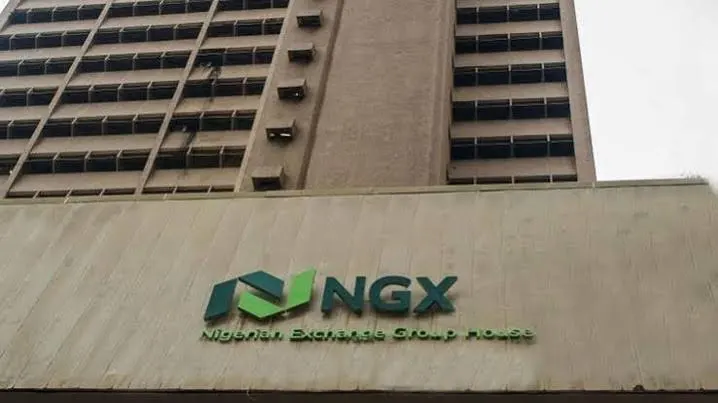
Nigeria's equity market closed October with a N2.01 trillion addition to market capitalisation — the biggest monthly value gain of the second half of the year, lifting the Nigerian Exchange's All-Share Index above the 250,000-point psychological threshold for the first time as heavyweight stocks in industrial goods, financial services and energy carried a rally that left most listed securities flat or lower, capping another month in which regulatory clarity, disinflation and steady foreign inflows have kept the exchange among the world's more closely watched performing large markets.
The benchmark ASI advanced 1.2 percent in the month to close at 254,299.49 points, up from 251,211.67 points at the end of September, while market capitalisation climbed to N165.114 trillion from N163.104 trillion, according to the exchange's monthly data compiled by Nigerian financial press on Monday. The gain extended a record-setting run — the capitalisation had touched an all-time high of N164.91 trillion as early as 27 October, then N164.97 trillion two days later, before the month closed at N165.114 trillion.
The acceleration came late. Between 22 and 30 October — eight trading days — the index climbed 9,342.55 points, or 3.81 percent, from 244,956.94 points, driving much of the month's gain in the final fortnight as institutional year-end positioning, record corporate earnings delivery and a policy-rate environment that made cash less attractive pushed domestic allocators off the sidelines and into equities, with brokers reporting the strongest retail participation since the market's last sustained advance.
The breadth problem underneath the record
Beneath the headline number sits the month's caution. Of the 146 securities tracked by market analysts, 72 declined in October, only 28 appreciated and 46 were unchanged — meaning the index gain rests on a narrow handful of large-capitalisation names rather than a broad re-risking. Dangote Cement drove much of the late-month advance, with banking shares actually capping the market's advance through several sessions of profit-taking.
Strategists reading the tape agree the divergence matters for durability, and several cautioned that headline records built on a handful of tickers can overstate the health of the average listed company, and that breadth would need to return before the rally earns full confidence from risk-managed allocators. A rally that barely broadens can reverse quickly when heavyweight stocks correct, but it can also keep grinding higher as long as the heavyweight cohort holds — Nigeria's system now weights hundreds of billions of naira of pension inflows looking for index-heavy exposure, so concentrated rallies have proven stickier than in past cycles.
What is pulling big money into Nigerian equities
Three structural forces have converged with the earnings season. The nine-month NGX reporting wave showed banks converting recapitalised balance sheets into profit delivery, industrial goods firms benefiting from construction-linked demand, and energy names posting operational surges — giving income-focused allocators reasons to move off the fence. The macro base has also stabilised: disinflationary consumer prices, a steadying naira and a programme of realistic CBN policy rates have pushed real yields negative on money-market instruments' hedged alternatives, refreshing the equities-versus-cash comparison.
Foreign participation adds the incremental bid. Nigeria's return to global bond and equity indices in 2026, combined with the exchange's improving depth in large-caps, has created the first sustained foreign-flow phase in more than a decade — and foreign investors typically buy exactly the narrow set of liquid heavyweights that October's tape rewarded.
November's drivers and the risk list
The next monthly test is already defined. Companies' fourth-quarter Outlook statements, the pace of Nigerian inflation prints, and further releases of corporate results in the NGX's reporting calendar all shape whether the index holds its new level through the month. Market players will also watch the federal budget calendar for signals of spending composition, given how index-linked Nigeria's largest listed industrials are to public construction cycles.
The biggest near-term technical test is supply: several of the market's most-quoted names remain candidates for primary offers and rights issues as the recapitalisation and expansion financing cycle continues. Each issuance funnels cash to good uses but does pressure index weight — and a market trading at all-time highs tends to absorb them only while the bid keeps arriving.
For investors the message is selective participation: the N2.01 trillion advance is real money, but it has flowed to specific bricks of the tape, and the probability of 2026 ending the year green now looks higher than at any point in this recovery — provided breadth eventually follows the leaders, as it did in the market's earlier 2026 pullbacks-and-recoveries.
Nigeria's exchange entering uncharted index territory matters beyond the login screens of traders: capitalisation records translate directly into a larger market benchmark against which pensions fund their liabilities and listed companies raise capital, and the month's data confirms the exchange has re-entered the territory it lost during the pre-2024 crisis years — with narrow leadership, yes, but with flow momentum the local market has not had in years.
Up next
Nigerian Banks Post Continental Lowest Lending Ratios
The five Nigerian groups in a 22-bank African ranking posted the lowest loan-to-deposit ratios as recapitalisation and fresh bad-loan recognition kept credit growth behind deposits.
More in Markets
See allNGX market capitalisation climbs back above N160 trillion as week closes green
Nigerian equities ended the week higher, pushing market value past N160 trillion on banking and industrial gains, though currency risk remains.
NGX slips 0.05% as market capitalisation falls to N159.07trn
Nigeria's All-Share Index fell 0.05 per cent to 244,989.9 points on October 22 as market capitalisation slipped to N159.07 trillion, with more stocks declining than advancing.
NGX Extends Recovery as Oil and Gas Rally Lifts Market Value to N160.83 Trillion
The All-Share Index edged up 0.01 per cent to 247,707.13 points for a second straight gain, but decliners outpaced gainers and the value of trades contracted sharply, leaving the rally resting on a narrow band of energy stocks.
About the author
Fatima Bello
Analysis Editor
Fatima Bello writes for BusinessPress.


