
Nigeria’s Idle Oil Assets Face a Production Test
The Nigerian Upstream Petroleum Regulatory Commission has given affected operators until October 31, 2026, to disclose their ...

Nigeria’s next increase in oil production may not depend entirely on finding new fields. A significant part of the opportunity could come from getting existing assets that are producing below their potential back into active development.
That is the argument behind a fresh call from the Petroleum Technology Association of Nigeria for regulators and the Nigerian National Petroleum Company Limited to reassign oil assets where current operators lack the technical and financial capacity to develop them.
The Problem Is Not Only Reserves
Nigeria has substantial oil resources, but having reserves does not automatically translate into barrels reaching the market.
PETAN President Wole Ogunsanya argued that some assets were awarded to companies that did not have the expertise or resources required to develop them effectively. He said some fields with greater production potential have remained below what they could deliver for years.
That creates an unusual problem for an oil-producing country: the production opportunity can exist on an asset already awarded to an operator, while the capital, equipment or technical expertise needed to unlock it remains insufficient.
Regulation Is Moving Towards Performance
The call comes as the upstream regulator is already tightening its approach to inactive and underperforming licences.
The Nigerian Upstream Petroleum Regulatory Commission has given affected operators until October 31, 2026, to disclose their compliance status, explain constraints delaying their work programmes and submit revised plans. The regulator has said the objective is to increase production rather than simply revoke licences.
That distinction is important.
A licence is ultimately an economic right tied to obligations. If an operator cannot execute the required work, regulators face a choice between allowing the asset to remain dormant or finding a way for another technically and financially capable operator to develop it.
The Industry Needs More Than Licence Holders
PETAN's position effectively shifts the conversation from who owns an oil asset to what the asset is actually producing.
That could become increasingly important as Nigeria tries to raise crude production towards the government's ambition of around three million barrels per day by 2030. Ogunsanya puts current production at roughly 1.7 million to 1.8 million barrels per day.
Closing that gap will require more drilling, but it will also require existing fields to perform better.
Deepwater developments are expected to add new production, while operators of shallow-water, land and swamp assets are also increasing activity. PETAN's argument is that the country should not allow potentially productive acreage to remain tied up when another operator may have the capacity to develop it.
Funding Could Decide Who Gets the Assets
Technical capacity is only one side of the problem.
Oil development requires large amounts of capital, particularly for drilling campaigns, infrastructure and field redevelopment. PETAN has also identified access to funding as a major constraint for operators, including indigenous companies that have taken over assets previously held by international oil companies.
That means future asset allocation may increasingly be judged against both technical and financial capability.
A company may have a valid licence and access to reserves, but if it cannot finance the work programme, production can remain constrained.
Nigeria Could Be Entering a Different Asset Cycle
The combination of regulatory pressure, new bid rounds and renewed drilling activity could change the way Nigerian oil assets are allocated.
Instead of treating acreage awards as the end of the process, regulators are increasingly being pushed to treat production performance as an ongoing test.
That would make dormant assets more likely to come back into consideration for reassignment, partnerships or new investment where existing operators cannot demonstrate credible progress.
The opportunity is particularly significant because Nigeria is simultaneously trying to increase crude supply, attract upstream investment and strengthen domestic participation in the petroleum industry.
The Commercial Question Is Simple
An oil field that remains undeveloped does not generate the same economic value as one that is actively producing.
For government, the difference affects royalties, taxes, exports and national production. For service companies, more drilling creates demand for rigs, engineering, logistics and specialised equipment. For investors, productive assets provide a clearer route to returns than acreage that remains largely inactive.
That makes the debate over idle assets bigger than a licensing dispute.
It is ultimately about whether Nigeria can convert the petroleum resources already under licence into actual production.
The Next Test Will Be Delivery
NUPRC's October deadline and the industry's push for more capable operators will provide a clearer test of how aggressively Nigeria intends to enforce performance obligations.
If dormant assets are successfully moved into development, the effect could extend beyond individual fields by creating more work for oilfield service companies and adding production without waiting solely for entirely new discoveries.
But reassignment by itself will not create barrels. The real measure will be whether new operators can bring capital, equipment, technical expertise and execution together quickly enough to turn underperforming acreage into sustained production.
Up next
Nigeria’s Mineral Wealth Faces the Bankability Test
The World Energy Council Nigeria says the country has 44 critical mineral types, but attracting serious private capital will depend on ...
More in Business
See all
Nigeria's sugar plan targets 835,000 tonnes of new annual capacity
Ten greenfield projects form part of a $7.1 billion, 10-year programme that could reduce import demand if financing, farms and factories are delivered on schedule.

World Bank Group programmes target $5.79 billion in private capital for Nigeria
The development lender says its 2026 interventions combine credit, guarantees and investment to draw commercial funding into agriculture, finance and job creation.
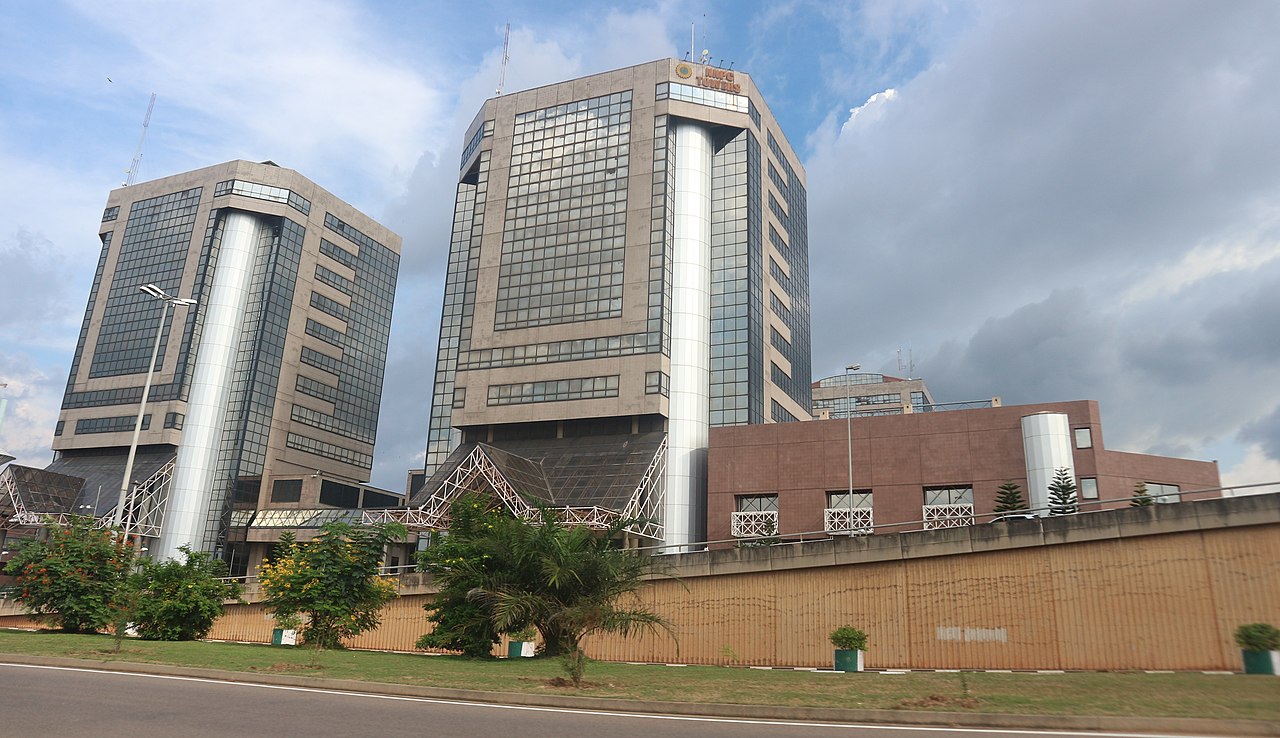
NNPC says October petrol discount does not restore subsidy
The state oil company's retail arm is giving up its margin for 30 days, offering temporary relief without imposing a nationwide pump price.
About the author
Amaka Obi
Senior Business Reporter
Amaka Obi writes for BusinessPress.


