Markets
Banks Face N13.25 Trillion Liquidity Inflow in October
Nigeria's banking system is expected to absorb about N13.25 trillion in liquidity inflows in October, the FMDA estimates, as the CBN manages excess cash.
Adaeze Okonkwo3 min read

14 results for “cbn”
Nigeria's banking system is expected to absorb about N13.25 trillion in liquidity inflows in October, the FMDA estimates, as the CBN manages excess cash.

The Central Bank of Nigeria lowered its benchmark interest rate by 350 basis points on September 22, 2026, the steepest cut on record, as inflation eased for a third straight month and reserves strengthened.
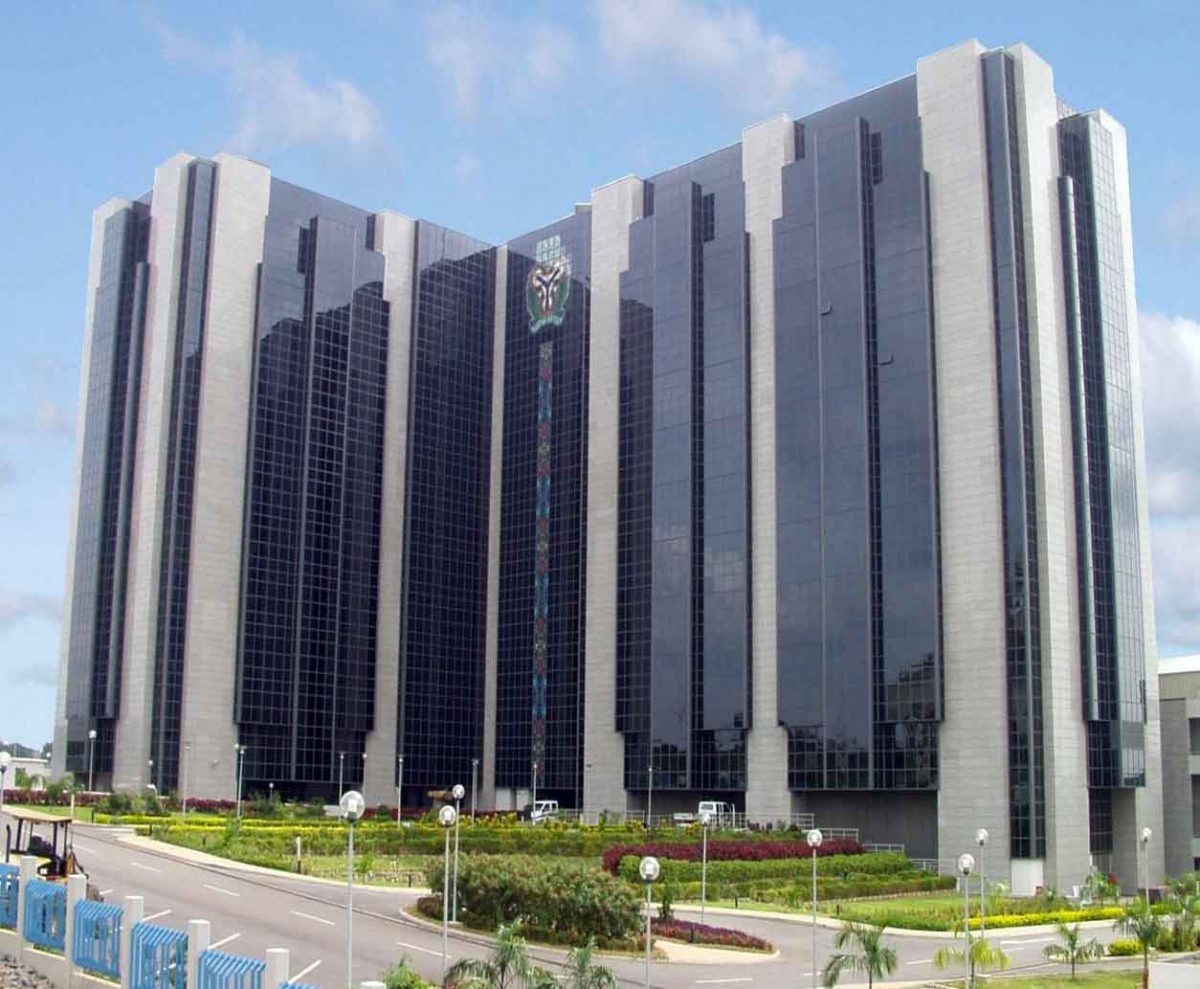
The Central Bank of Nigeria is mopping up excess cash to keep money-market conditions tight, supporting the naira and inflation but keeping borrowing costs elevated.
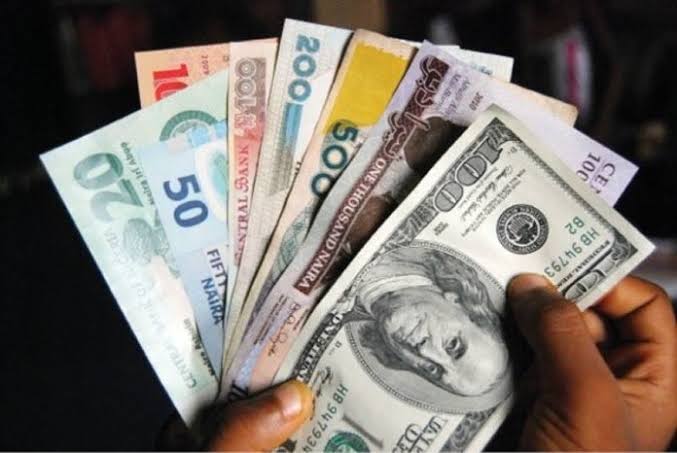
The naira held broadly steady around N1,370 to the dollar as stronger reserves, tighter policy and returning portfolio inflows kept the currency within a narrow range.

Nigeria's central bank has delivered its largest-ever cut to the benchmark rate. The question now is whether banks will pass it on to the businesses and households that need affordable credit.
The slowdown gives policymakers room to hold, but the service sector is still running hot.
Policymakers kept the benchmark unchanged and pushed back on talk of early cuts.

The country's largest financial group by assets has received another NGX extension for its audited first-half results while it waits for regulatory approval from the Central Bank of Nigeria.
Affordable Credit Becomes a Sector Priority Maiha said the ministry will work with the finance ministry and the CBN to secure loans with...
Banks Have More Cash Than They Can Immediately Deploy The CBN data showed that banks’ SDF placements rose from N6.014tn on September 28...

The 350-basis-point reduction marked a larger step in the easing cycle, though borrowing costs will still depend on liquidity, bank funding and credit risk.
The secured overnight reference rate is intended to improve pricing transparency and give financial contracts a more reliable base rate.
The transaction lifted eligible capital above the N500 billion minimum for an international commercial-bank licence, subject to final approvals.
The two-year exercise lifted paid-up capital across the banking system, with the regulator saying every affected lender chose a route to compliance.