
CBN's Liquidity Squeeze Keeps Banks Tight Despite Trillion-Naira Inflows
The Central Bank of Nigeria is mopping up excess cash to keep money-market conditions tight, supporting the naira and inflation but keeping borrowing costs elevated.
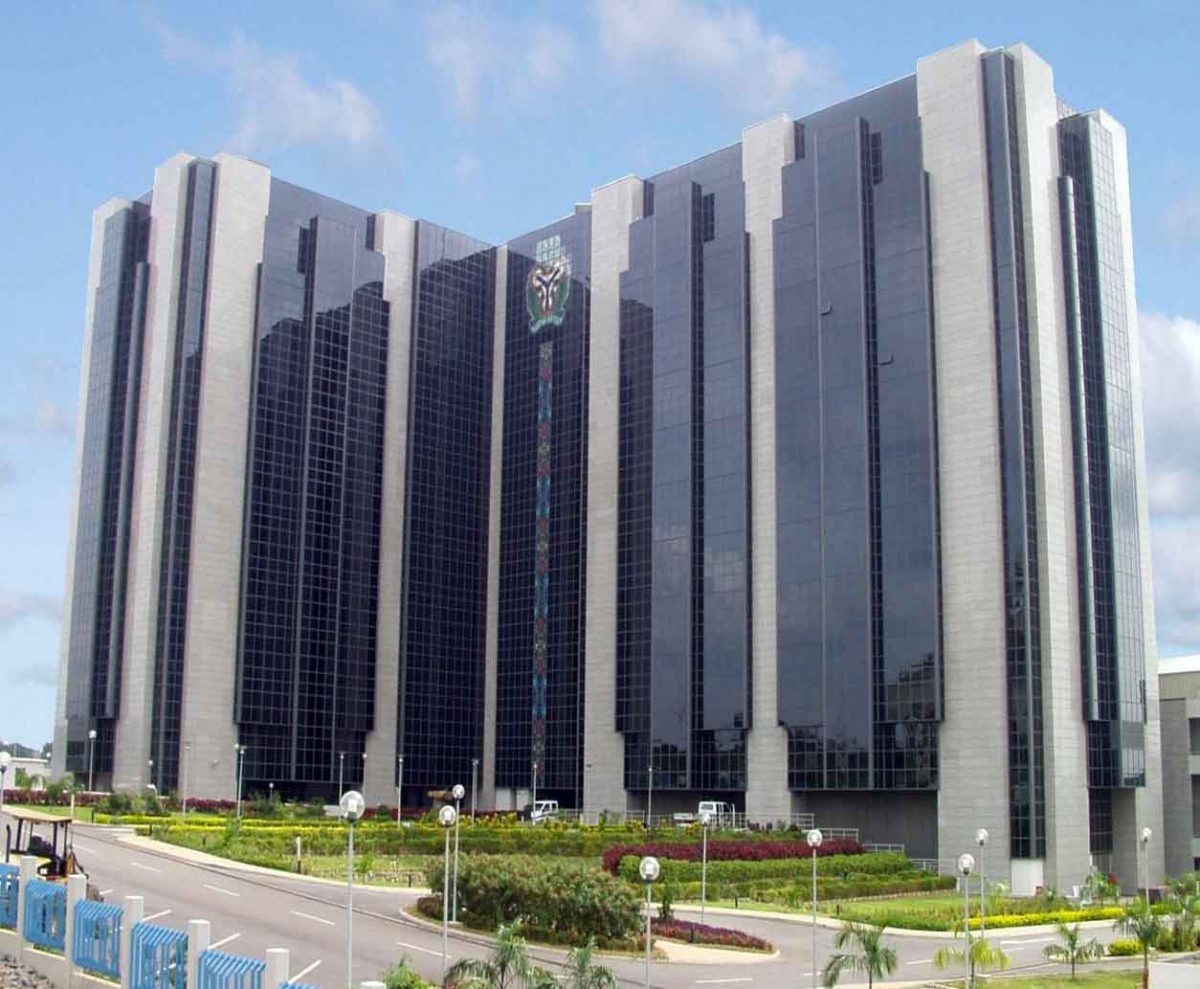
The Central Bank of Nigeria's aggressive liquidity management is keeping the banking system tight even as substantial inflows return to the market, an approach that supports the naira and the fight against inflation but raises questions about the cost of credit.
The central bank has been absorbing excess cash through the Standing Deposit Facility and Open Market Operations, sterilising the liquidity that flows into the system from maturing securities and statutory disbursements. The effect is to prevent a glut of cash from driving short-term money-market rates sharply lower, keeping borrowing costs aligned with the central bank's restrictive stance.
The mechanics of a squeeze
Nigerian banking-system liquidity is highly volatile. Large inflows arrive when Treasury bills and central bank bills mature or when federal revenue allocations are disbursed to states and local governments. Left unchecked, those inflows can push overnight rates down and weaken the central bank's control over monetary conditions. By mopping up the excess through its deposit facility, the central bank sterilises part of the glut.
The scale is substantial. The CBN has absorbed trillions of naira in recent months through these operations, and it has also stepped up issuance of its own securities, with Open Market Operations issuance running at record levels. That heavy issuance reflects both the need to manage liquidity and the government's broader borrowing requirement.
Liquidity management is the plumbing of monetary policy. If it works, nobody notices; if it fails, inflation and the currency quickly remind everyone why it matters.
The trade-off
The policy has costs. Tight liquidity keeps interbank and lending rates elevated, which is intentional while inflation remains above target but which also constrains private-sector credit. Businesses complain that even as the central bank has begun to cut its benchmark rate, the rates they actually pay have not fallen in step — a transmission problem that liquidity management partly explains.
The central bank faces a familiar dilemma. Easing too quickly risks reigniting inflation and pressuring the naira; keeping conditions too tight risks smothering the recovery. Its current approach is to manage the middle ground, reducing the policy rate cautiously while continuing to mop up excess liquidity.
What to watch
Analysts expect liquidity to fluctuate with the maturity profile of government and central bank securities, and with the pace of federal allocations. October's projected inflows are lower than September's, which may reduce the urgency of sterilisation. But the structure of the market — with the central bank as both the largest borrower and the liquidity manager — ensures that its operations will remain central to how much credit reaches the real economy.
The ultimate measure of success will be whether inflation continues to fall while lending to businesses begins to rise. So far, the central bank has made progress on the first and less on the second.
Up next
KuCoin Nigeria Wins SEC Approval-in-Principle for Regulatory Incubation
KuCoin Nigeria has secured conditional approval-in-principle from the Securities and Exchange Commission to join its regulatory incubation programme.
More in Finance
See all
NAICOM Begins Final Verification of Insurers Under Recapitalisation Programme
The National Insurance Commission has begun final verification of insurers' compliance with higher capital requirements, with consolidation expected to follow.
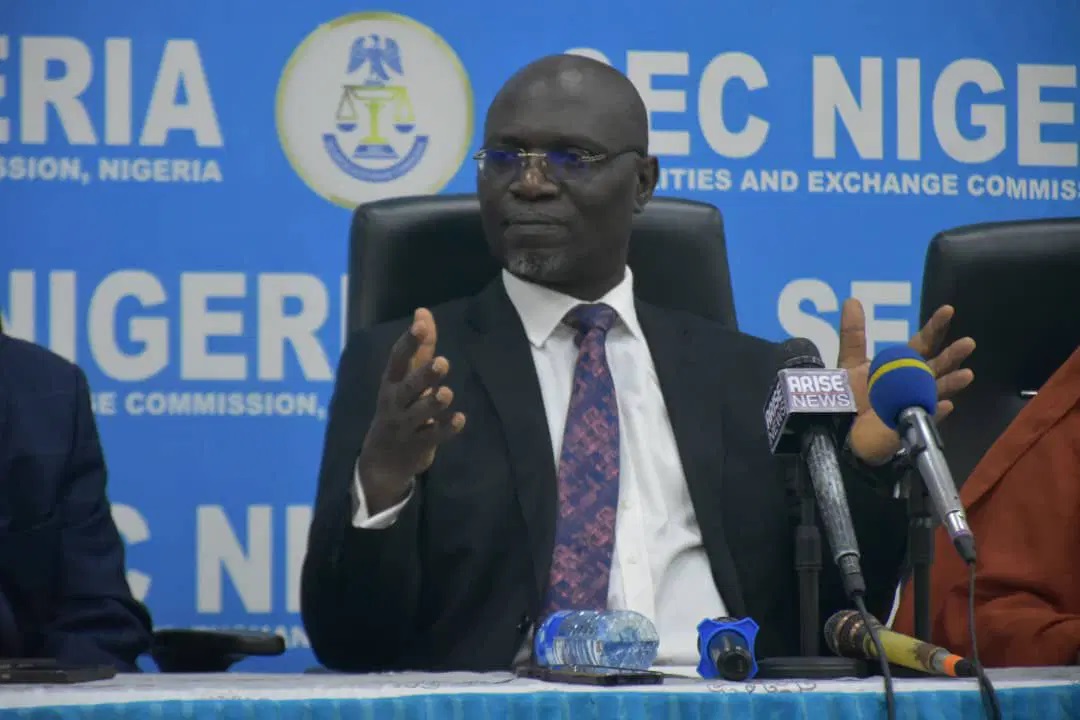
SEC Warns Shortage of Credible Issuers Is Holding Back Nigeria's Capital Market
The Securities and Exchange Commission has warned that a lack of credible companies willing to list is limiting the depth of Nigeria's capital market.

Five Nigerian Lenders Post Combined N2.29 Trillion Profit in First Half of 2026
Five leading Nigerian financial institutions reported a combined pre-tax profit of about N2.29 trillion in the first half of 2026, cementing banking's dominance of corporate earnings.
About the author
Musa Abdullahi
Finance Correspondent
Musa Abdullahi writes for BusinessPress.


