
Banks Park N6.28tn With CBN as Excess Liquidity Builds
Banks Have More Cash Than They Can Immediately Deploy The CBN data showed that banks’ SDF placements rose from N6.014tn on September 28...
Nigerian banks are holding an unusually large pool of cash with the Central Bank of Nigeria, with deposits at the Standing Deposit Facility reaching about N6.28tn on September 29. The development points to the scale of excess liquidity currently moving through the banking system.
Banks Have More Cash Than They Can Immediately Deploy
The CBN data showed that banks’ SDF placements rose from N6.014tn on September 28 to N6.278tn , adding about N264bn in just one day. Compared with the N5.899tn recorded on September 25, the balance has increased by roughly N379bn in four days.
The figures suggest that a substantial amount of banking-sector liquidity remains available even after banks participate in government and central bank securities markets.
For banks, placing excess funds with the CBN provides a relatively straightforward avenue for deploying cash while earning a return rather than leaving the money idle.
OMO Market Is Absorbing Part of the Excess
The liquidity build-up is occurring alongside continued intervention by the CBN through Open Market Operations.
On Tuesday, the apex bank offered N2.5tn in OMO bills , while N2.433tn of existing OMO instruments matured on the same day. The latest auction therefore offered slightly more securities than the amount returning to investors.
The new instruments comprise 147-day, 182-day and 266-day bills, with maturities extending from February to June 2027.
That structure gives banks and other eligible investors additional instruments through which surplus funds can be placed.
Demand for CBN Securities Remains Strong
The size of the SDF balance is also notable because it exists alongside strong demand for OMO securities.
Four OMO auctions earlier in September attracted about N20.58tn in bids against a combined offer of N3.9tn , with the CBN allotting approximately N12.823tn. September subscriptions have also surpassed the N18.72tn recorded in August.
This creates an interesting picture of the Nigerian financial system: investors are actively seeking CBN instruments, while banks are simultaneously maintaining substantial funds at the apex bank.
The behaviour suggests that liquidity remains plentiful enough for banks to have significant funds available for placement even as the CBN continues to absorb cash through its market operations.
The Bigger Question Is Where the Money Goes Next
The accumulation of excess liquidity matters beyond the balance sheets of banks.
When financial institutions have large amounts of cash available, the money can potentially move into government securities, interbank transactions, credit to businesses and consumers, or other investment channels. The eventual destination of that liquidity can influence borrowing conditions and activity across the wider economy.
Recent movements in the money market have already shown how quickly CBN liquidity operations can affect short-term funding conditions. Earlier in September, excess liquidity helped ease pressure in the money market even as the CBN continued withdrawing funds through OMO transactions.
The current N6.28tn SDF balance therefore represents more than a large banking statistic. It provides a snapshot of the amount of cash that banks currently have available and the continuing challenge of managing that liquidity without creating excessive pressure elsewhere in the financial system.
CBN Faces a Delicate Liquidity Management Task
The CBN now has to balance two competing objectives: preventing excessive liquidity from destabilising financial conditions while ensuring that the banking system has enough funds to support productive economic activity.
Strong demand for OMO instruments gives the regulator a mechanism for absorbing some of the surplus. At the same time, banks’ willingness to keep billions of naira with the CBN highlights the importance of creating attractive channels for funds to move into productive lending and investment.
The direction of these funds in the coming weeks could therefore become an important indicator for the banking sector, particularly as monetary conditions adjust following the CBN’s recent policy changes.
The immediate figure is clear: N6.28tn is sitting with the CBN through the Standing Deposit Facility. The more important story is what happens to that liquidity next.
Up next
GTCO Trading Surges as 88.73 Million Shares Change Hands on a Down Day
A Major Shift in Trading Activity The 88.73 million shares traded represented about 184% above GTCO's 30-day average volume , based on...
More in Finance
See all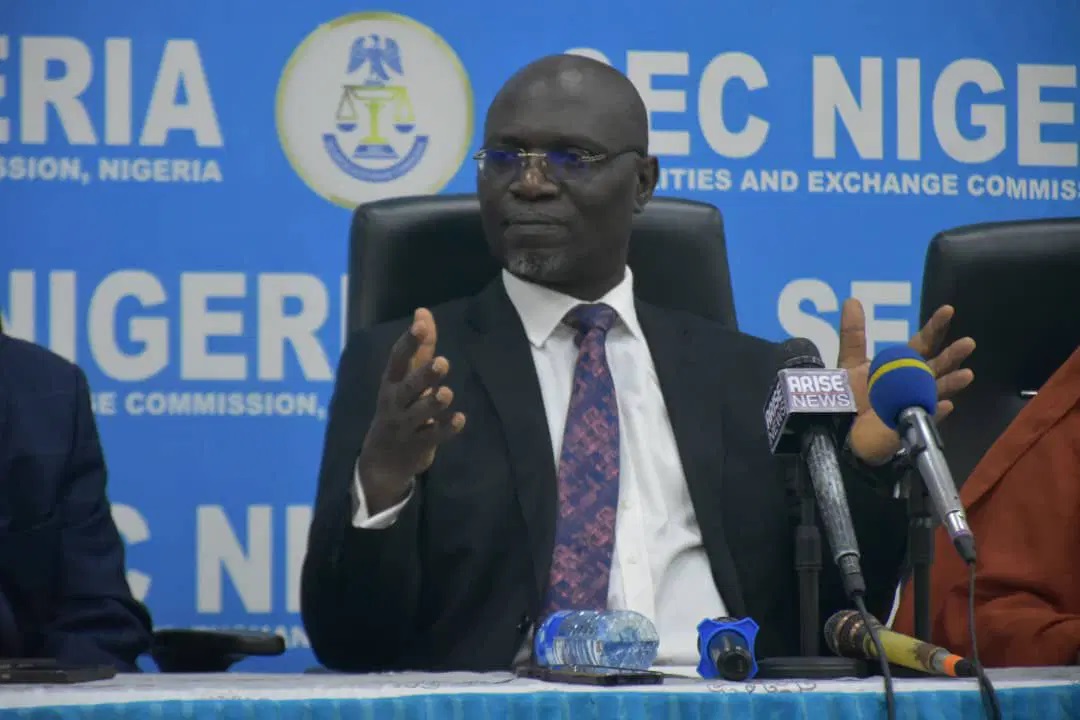
SEC Warns Shortage of Credible Issuers Is Holding Back Nigeria's Capital Market
The Securities and Exchange Commission has warned that a lack of credible companies willing to list is limiting the depth of Nigeria's capital market.
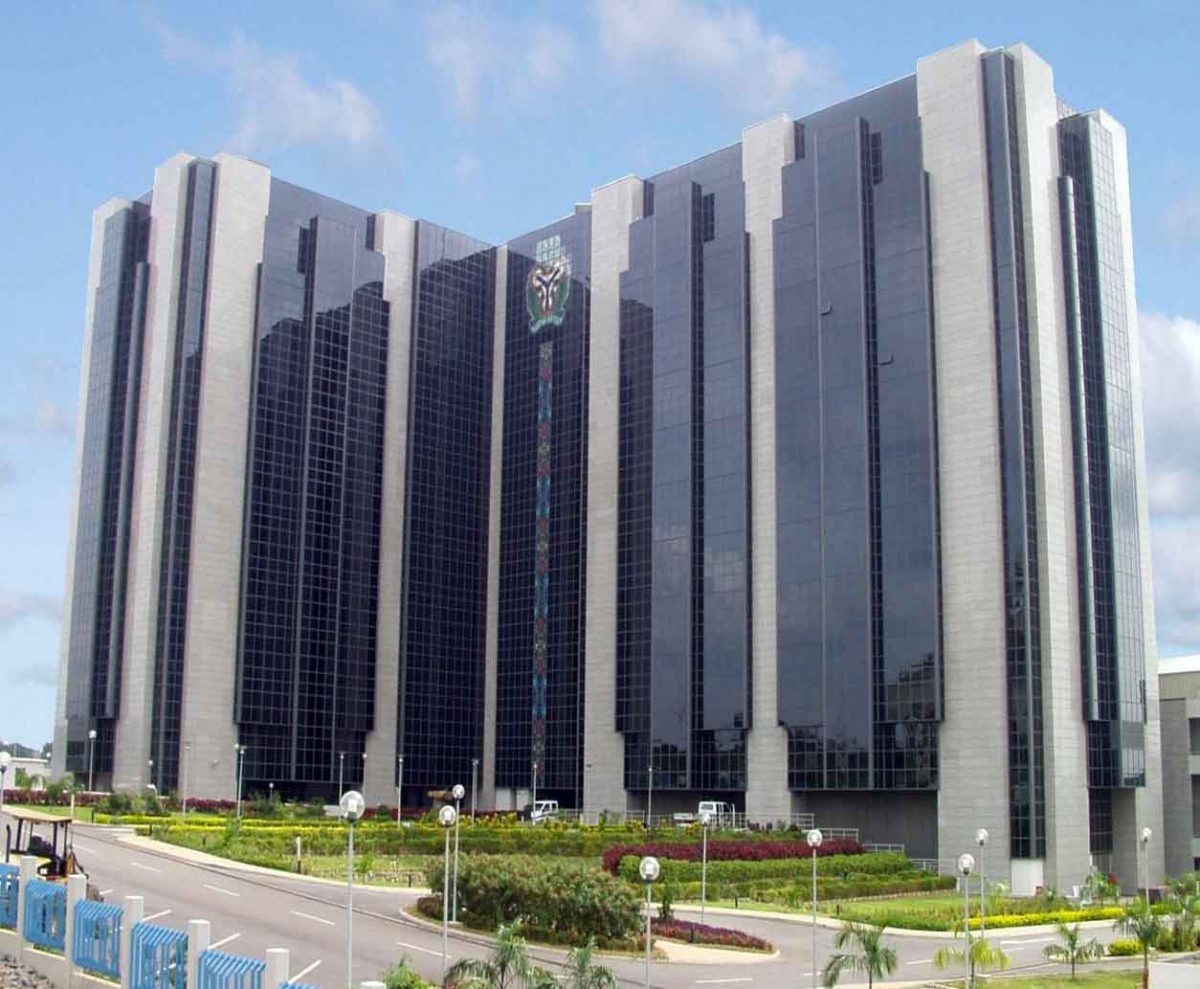
CBN's Liquidity Squeeze Keeps Banks Tight Despite Trillion-Naira Inflows
The Central Bank of Nigeria is mopping up excess cash to keep money-market conditions tight, supporting the naira and inflation but keeping borrowing costs elevated.

KuCoin Nigeria Wins SEC Approval-in-Principle for Regulatory Incubation
KuCoin Nigeria has secured conditional approval-in-principle from the Securities and Exchange Commission to join its regulatory incubation programme.
About the author
Musa Abdullahi
Finance Correspondent
Musa Abdullahi writes for BusinessPress.


