
Naira Holds Near N1,370/$ as Reforms Steady the Foreign Exchange Market
The naira held broadly steady around N1,370 to the dollar as stronger reserves, tighter policy and returning portfolio inflows kept the currency within a narrow range.
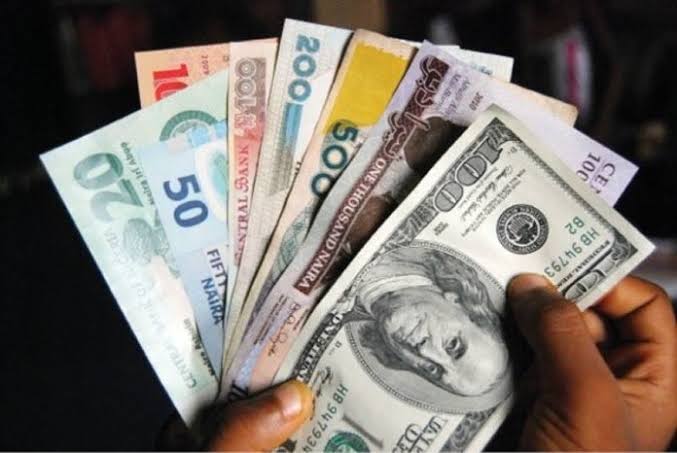
The naira held broadly steady around N1,370 to the dollar in the parallel market on Tuesday, October 13, 2026, as a combination of stronger foreign reserves, disciplined monetary policy and improved investor sentiment kept the currency within a narrow range.
The relative calm marks a sharp contrast with the volatility of the past few years, when the currency lost a large share of its value and multiple exchange rates distorted the market. The unification of the exchange rate and the clearance of a backlog of unmet foreign exchange demand have helped restore a measure of predictability.
What is supporting the naira
Three factors stand out. First, foreign reserves have risen to about $54.9 billion, according to Fitch Ratings, providing the central bank with a buffer to smooth sharp movements. Second, the Central Bank of Nigeria has kept monetary policy tight enough to attract portfolio inflows, even as it has begun to ease cautiously. Third, rising oil output and export receipts have improved the supply of dollars in the official market.
Portfolio inflows have been a major support, with foreign investors returning to high-yielding Nigerian bills and bonds. That money is welcome, but it is also fickle: it can exit quickly if global conditions change or if yields fall faster than expected.
A stable currency is a foundation, not an achievement. It gives businesses the confidence to plan and invest, but it must be sustained by productivity and exports, not just by high interest rates.
A stronger but still fragile equilibrium
Some analysts expect the naira to strengthen further, with forecasts pointing to rates below N1,300 to the dollar if current trends hold. That optimism rests on the assumption that reforms continue, oil production stabilises and inflation keeps falling. Each of those assumptions could be tested.
Nigeria's dependence on oil remains a vulnerability. A decline in crude prices, a drop in output or a resurgence of insecurity in producing regions would weaken the foreign exchange supply. Similarly, a sudden reversal in portfolio flows would put pressure on the currency and force the central bank to intervene.
Why stability matters
For ordinary Nigerians, a steadier naira translates into less imported inflation in food, fuel and manufactured goods. For businesses, it reduces the cost of importing inputs and makes it easier to plan investment. For investors, it lowers the risk premium they demand for holding Nigerian assets.
The central bank's task now is to preserve the gains without snuffing out the recovery. That means maintaining credibility, rebuilding reserves and resisting the temptation to spend the breathing room created by stability. The naira's calm is welcome; keeping it will require discipline.
Up next
NGX Turnover Hits N158.29bn as Investors Position for Q3 Earnings Season
Turnover on the Nigerian Exchange rose to N158.29 billion in the first full trading week of October as investors repositioned ahead of third-quarter earnings.
More in Markets
See all
Dangote Refinery Extends $1.6 Billion IPO by Two Weeks as Demand Surges
Dangote Petroleum Refinery has pushed the close of its $1.6 billion IPO to October 27, giving investors more time to subscribe to Africa's biggest listing.
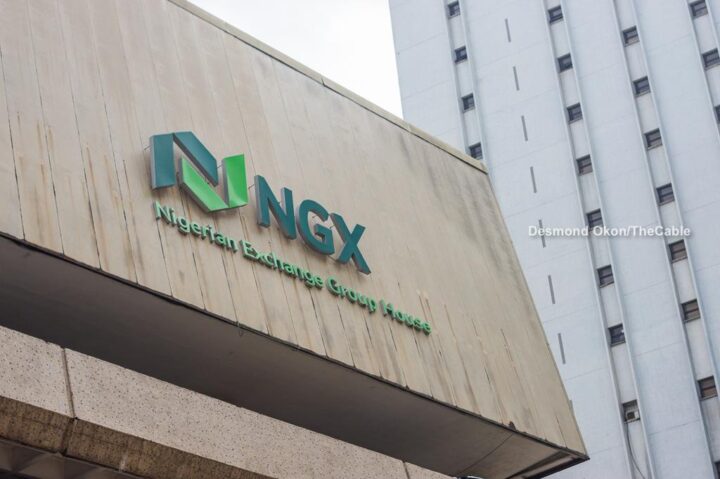
Profit-Taking Wipes Value Off NGX as All-Share Index Slips 0.09%
Nigeria's equities market fell for a second straight session on October 13, with the All-Share Index slipping 0.09% as investors booked profits in large-cap stocks after a record run.
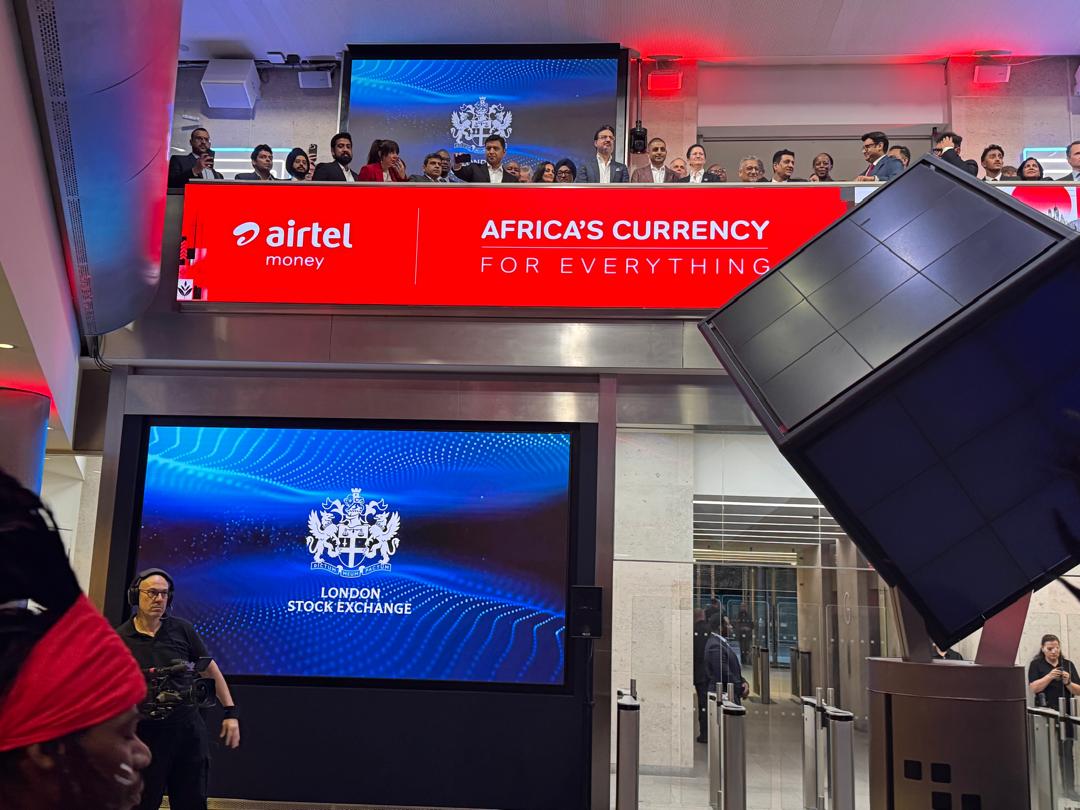
Airtel Money Debuts on London Stock Exchange at £5.3 Billion Valuation
Airtel Money has debuted on the London Stock Exchange in one of the largest African listings in years, with a planned secondary listing in Lagos.
About the author
Adaeze Okonkwo
Markets Editor
Adaeze Okonkwo writes for BusinessPress.
More by Adaeze Okonkwo


