Airlines Risk N6.6 Billion From 25-Day Owerri Airport Closure
Domestic airlines could lose over N6.6 billion from the planned 25-day closure of Owerri's Sam Mbakwe airport for runway rehabilitation, affecting 55,000 passengers.
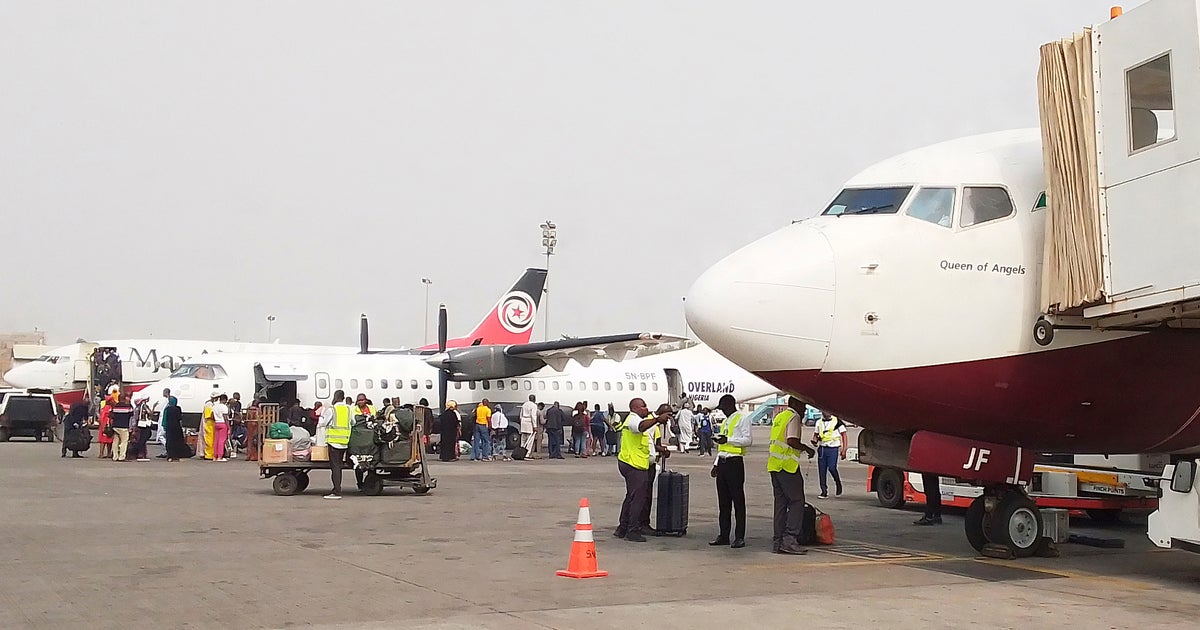
Domestic airlines could lose more than N6.6 billion in revenue from the planned 25-day closure of the Sam Mbakwe International Cargo Airport in Owerri, as the Federal Airports Authority of Nigeria (FAAN) prepares to shut the facility for runway rehabilitation.
The closure is tentatively set to begin on October 20, 2026, and will suspend commercial flight operations into Imo State's main airport for the duration of the works.
The cost of a closed runway
According to industry estimates, the airport generates about N264 million in daily route intake — N120 million from arriving passengers and N144 million from departing passengers. Over 25 days, that translates to more than N6.6 billion in revenue at risk for the airlines that serve the route.
The airport handles more than 1,000 arriving and 1,200 departing passengers daily, meaning over 55,000 travellers could be affected by the shutdown. The average one-way economy ticket on the Lagos or Abuja to Owerri route costs about N120,000.
Airlines that operate into Owerri include Air Peace, United Nigeria Airlines, ValueJet, Enugu Air and Ibom Air. Each will have to redeploy capacity, cancel flights or divert passengers to alternative airports, none of which is a perfect substitute for a city that is a major commercial and administrative hub in the south-east.
Maintenance deferred too long
FAAN has said the closure is needed for runway resurfacing and extension work, and aviation authorities have framed it as essential maintenance ahead of the busy Christmas travel season. The deterioration of the runway had raised safety concerns, and a temporary shutdown is preferable to an unplanned closure caused by a structural failure.
Aviation Minister Festus Keyamo has been associated with the planned works. The exact reopening date has not been confirmed, and some industry stakeholders have called for a phased approach that would minimise disruption.
Business Insight
The closure exposes a structural weakness in Nigeria's aviation infrastructure: airports that are critical to regional commerce operate on runways that require prolonged shutdowns to repair. The cost is not limited to airlines. Businesses in Imo and neighbouring states that depend on air links for travel, cargo and connectivity will face higher costs and longer journey times during the closure.
The knock-on effects extend to the wider economy. Imo State's economy is heavily trade- and services-driven, and reduced air access can slow business activity, delay investment decisions and raise the cost of moving people and goods. Diversion to airports in Port Harcourt, Enugu or Asaba adds road travel time and cost.
For the airlines, the revenue loss comes at a delicate moment. Domestic carriers operate on thin margins, buffeted by high fuel costs, foreign exchange volatility and price-sensitive passengers. A month-long loss of a profitable route will hurt cash flow, particularly for smaller operators without diversified networks.
Background
Nigeria's airport infrastructure has suffered from years of underinvestment, with runways, terminals and navigational aids falling into disrepair. Recent efforts to modernise facilities — including terminal concessions and rehabilitation projects — have been uneven, and closures for repairs have become a recurring feature of domestic travel. The Christmas season is typically the busiest period for domestic aviation, which makes the timing of the Owerri closure especially sensitive.
Conclusion
The Owerri runway repairs are necessary, but the N6.6 billion cost to airlines and the disruption to over 55,000 passengers underline how fragile Nigeria's aviation infrastructure has become. The real test will be whether the works finish on schedule — and whether FAAN uses the closure to fix the runway properly, rather than returning to the cycle of deferred maintenance that brought it to this point.
Up next
Nigeria Accounts for $131bn of Africa's $209bn Business Financing Gap
A study by BII and Swedfund found a $209 billion financing gap for Black-owned businesses across five African economies, with Nigeria accounting for $131 billion.
More in Business
See all
CPPE Backs NNPC Petrol Discount but Rejects Return to Subsidy
The CPPE says NNPC's temporary petrol discount is a pragmatic response to a global energy shock, not a return to the subsidy regime it rejects.

Gas Host Communities Give NNPC, PINL Two-Week Ultimatum
Communities hosting the Eastern Gas Pipeline Network gave PINL and NNPCL two weeks to settle three months of unpaid surveillance payments and address grievances.

OPay Files for New York Stock Exchange Listing at $4 Billion Valuation
Nigerian fintech OPay has filed for an IPO on the New York Stock Exchange, targeting a valuation of about $4 billion and planning a secondary listing in Lagos.
About the author
Amaka Obi
Senior Business Reporter
Amaka Obi writes for BusinessPress.
More by Amaka Obi