CPPE Backs NNPC Petrol Discount but Rejects Return to Subsidy
The CPPE says NNPC's temporary petrol discount is a pragmatic response to a global energy shock, not a return to the subsidy regime it rejects.
The Centre for the Promotion of Private Enterprise (CPPE) has thrown its weight behind the temporary petrol price discount at NNPC filling stations, arguing that it is a pragmatic response to a global energy shock rather than a return to the fuel subsidy regime.
In a policy brief, the CPPE said the intervention should not be conflated with the blanket, budget-draining subsidies that Nigeria dismantled in 2023.
A temporary intervention, not a policy reversal
"Such an interpretation is misleading and fails to distinguish between a fundamental policy reversal and a temporary intervention in response to an extraordinary economic shock," said CPPE chief executive Muda Yusuf.
The discount, offered at NNPC retail stations, comes as geopolitical tensions in the Middle East have pushed crude oil prices above $100 a barrel and disrupted global supply. The CPPE said the intervention covers roughly 70 million litres of NNPC fuel supply monthly, against an estimated national petrol consumption of about 50 million litres daily.
Yusuf stressed that the scheme does not reinstate an administered national petrol price, does not impose a blanket subsidy on private marketers and does not dismantle market-based pricing. "Reinstating a broad-based consumption subsidy would recreate serious fiscal vulnerabilities and consequential distortions in the economy," he said. "The current global energy crisis demands pragmatic policy responses, not ideological rigidity."
The subsidy trap
Nigeria's decision to end petrol subsidies in 2023 was one of the most consequential and politically costly reforms in years. It freed up billions of naira in fiscal space that had been consumed by a small number of beneficiaries and reduced the incentive for smuggling and hoarding. But it also drove up pump prices sharply, fuelling inflation and public anger.
Any move that looks like a return to subsidies therefore triggers immediate concern about fiscal discipline. The CPPE's intervention is an attempt to draw a clear line: a short-term, targeted measure to cushion a specific shock is different from a permanent entitlement that distorts prices and drains the budget.
Business Insight
For businesses, the distinction matters. A temporary discount at NNPC stations can ease pressure on transport and logistics costs without permanently distorting the pricing signal that tells consumers and investors how much fuel really costs. It gives the government room to respond to a genuine external shock while preserving the market-based framework that is essential to attracting investment in refining and distribution.
But the design of the intervention will determine whether it works. If it is broad, open-ended and poorly targeted, it will be captured by those who do not need help, and it will become politically difficult to withdraw. If it is narrow and time-limited, it can provide genuine relief without becoming a subsidy by another name.
The CPPE recommended complementary measures, including subsidised mass transit and CNG-electric buses, support for food production, and targeted state-level relief — interventions that address cost-of-living pressures without distorting fuel prices.
Background
Petrol pricing has been among Nigeria's most politically sensitive issues for decades. The 2023 deregulation allowed prices to reflect market conditions, but global oil market volatility and exchange-rate movements have kept pump prices high and unstable. The government has faced recurring pressure to intervene, and the NNPC discount is a response to that pressure that tries to avoid reopening the fiscal wound of a full subsidy.
Conclusion
The NNPC discount is defensible as a temporary, targeted response to a global shock — provided it stays temporary and targeted. The risk is that a short-term measure becomes permanent through political inertia. Nigeria's fiscal recovery depends on resisting that temptation, even as it offers relief to households squeezed by forces beyond their control.
Up next
Gas Host Communities Give NNPC, PINL Two-Week Ultimatum
Communities hosting the Eastern Gas Pipeline Network gave PINL and NNPCL two weeks to settle three months of unpaid surveillance payments and address grievances.
More in Business
See all
Nigeria Accounts for $131bn of Africa's $209bn Business Financing Gap
A study by BII and Swedfund found a $209 billion financing gap for Black-owned businesses across five African economies, with Nigeria accounting for $131 billion.
OPay Files for New York Stock Exchange Listing at $4 Billion Valuation
Nigerian fintech OPay has filed for an IPO on the New York Stock Exchange, targeting a valuation of about $4 billion and planning a secondary listing in Lagos.
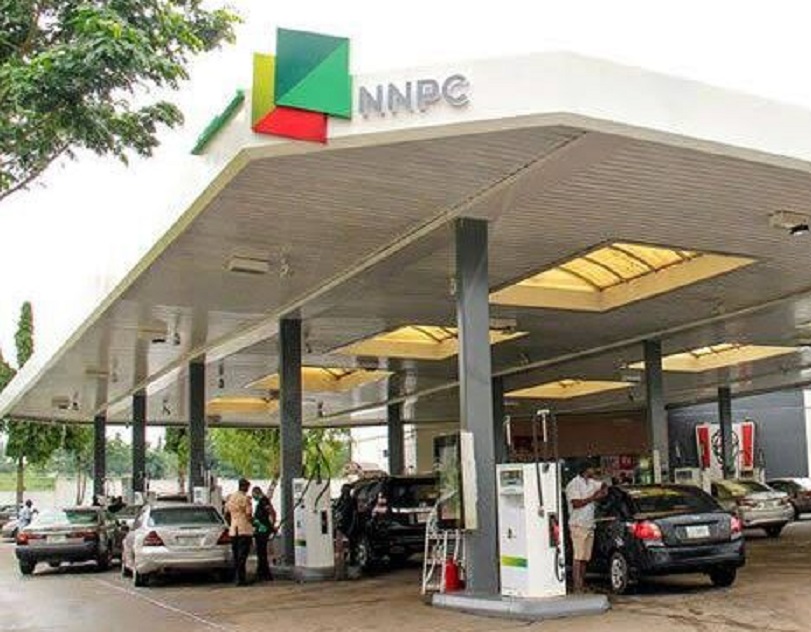
Federal Government Introduces 30-Day Petrol Discount at NNPC Stations
The federal government has rolled out a 30-day petrol discount at NNPC stations, a temporary measure to ease household costs amid lingering reform pressures.
About the author
Amaka Obi
Senior Business Reporter
Amaka Obi writes for BusinessPress.
More by Amaka Obi