Gas Host Communities Give NNPC, PINL Two-Week Ultimatum
Communities hosting the Eastern Gas Pipeline Network gave PINL and NNPCL two weeks to settle three months of unpaid surveillance payments and address grievances.
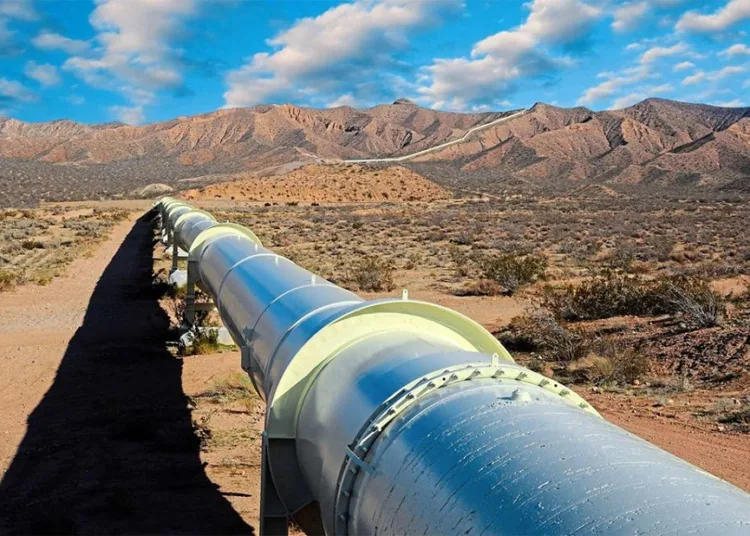
Communities hosting the Eastern Gas Pipeline Network in the Niger Delta have given Pipeline Infrastructure Nigeria Limited (PINL) and the Nigerian National Petroleum Company Limited (NNPCL) a two-week ultimatum to settle outstanding surveillance payments and address long-standing grievances.
The ultimatum was issued at a press conference in Port Harcourt, the Rivers State capital, on Tuesday, setting the stage for fresh friction between pipeline operators and host communities in a region where local consent is essential to keeping gas flowing.
What the communities are demanding
The host communities, represented by stakeholders along the Eastern Gas Pipeline Network, are demanding the settlement of three months of outstanding surveillance payments owed to contractors, guards and eligible community representatives.
They also want PINL and NNPCL to resume and sustain regular payments under agreed contracts, rather than paying in arrears and irregularly. Beyond payments, the communities are seeking inclusion in corporate social responsibility programmes, including scholarships, youth and women's empowerment schemes and skills-acquisition training.
They further asked the operators to engage recognised traditional rulers in setting a clear payment schedule, arguing that dealing with unrepresentative intermediaries has fuelled disputes. The communities said they acted through HRH Eze Peter Wagbara, a paramount ruler, and other traditional and community leaders.
Why pipeline surveillance matters
The Eastern Gas Pipeline Network is a critical piece of Nigeria's gas transmission infrastructure, supplying industrial and power-generation customers. Its security depends heavily on host communities, who are often contracted as surveillance contractors and guards to guard against vandalism, theft and illegal connections.
When those payments stop, the incentive structure that underpins pipeline security breaks down. Communities that feel short-changed are less willing to protect infrastructure they believe exploits their land without returning value. In the Niger Delta's history, unpaid community obligations have often preceded pipeline sabotage and production shutdowns.
Business Insight
For gas producers and the government, the lesson is that pipeline security is a commercial relationship, not a policing problem. Nigeria is betting on gas to power its industries, fuel its electricity grid and diversify export earnings. That strategy depends on uninterrupted flows through thousands of kilometres of pipeline, much of which passes through communities with acute grievances over jobs, compensation and environmental damage.
Failing to pay surveillance contractors may look like a minor cash-flow matter, but it carries outsized risk. A single pipeline breach can halt gas supply to power plants and factories, trigger load-shedding and disrupt industrial output. The reputational and financial cost of a shutdown dwarfs the value of the unpaid wages at issue.
A credible, transparent payment system — with clear contracts, published schedules and recognised community representation — would cost far less than the disruption an access dispute could cause.
Background
Nigeria's gas ambitions have grown as crude oil production has stabilised and domestic refining has expanded. The government and NNPC have promoted gas as a transition fuel and a feedstock for industry. But the Niger Delta's history of militancy, pipeline vandalism and disputes over community benefits remains a persistent risk. Successive operators have tried to manage this through surveillance contracts and community development programmes, with mixed results.
Conclusion
The two-week ultimatum is a warning shot. If PINL and NNPCL do not respond with clear commitments on payments and community engagement, they risk a dispute that could threaten gas supplies and harden local opposition. In the Niger Delta, ignoring host communities has rarely been a cheap option.
Up next
Airlines Risk N6.6 Billion From 25-Day Owerri Airport Closure
Domestic airlines could lose over N6.6 billion from the planned 25-day closure of Owerri's Sam Mbakwe airport for runway rehabilitation, affecting 55,000 passengers.
More in Business
See all
OPay Files for New York Stock Exchange Listing at $4 Billion Valuation
Nigerian fintech OPay has filed for an IPO on the New York Stock Exchange, targeting a valuation of about $4 billion and planning a secondary listing in Lagos.
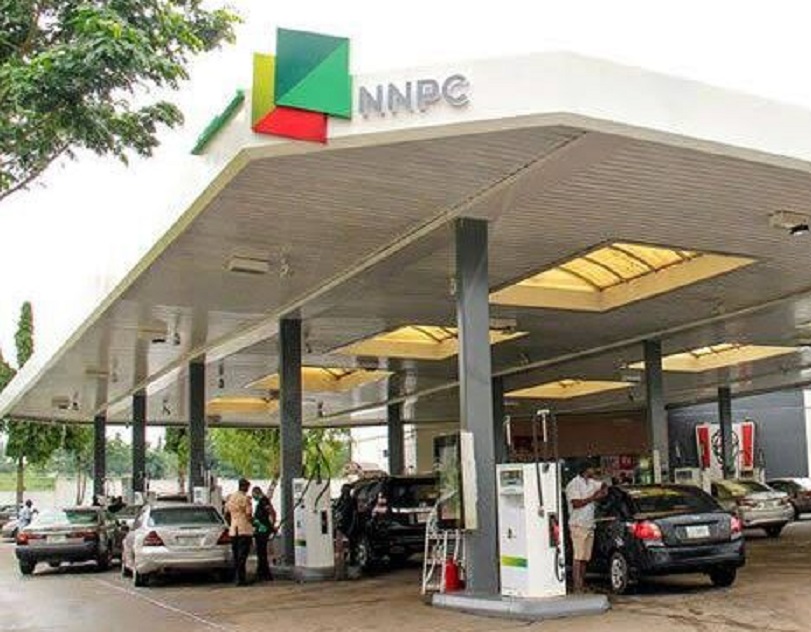
Federal Government Introduces 30-Day Petrol Discount at NNPC Stations
The federal government has rolled out a 30-day petrol discount at NNPC stations, a temporary measure to ease household costs amid lingering reform pressures.

Nigeria's sugar plan targets 835,000 tonnes of new annual capacity
Ten greenfield projects form part of a $7.1 billion, 10-year programme that could reduce import demand if financing, farms and factories are delivered on schedule.
About the author
Amaka Obi
Senior Business Reporter
Amaka Obi writes for BusinessPress.
More by Amaka Obi