
Beta Glass Q3 Profit Signals Margin-Expansion Run
Beta Glass reports 11.7% revenue growth to N40.37bn for Q3 with gross profit up 21.3% to N15.18bn, confirming pricing power and cost pass-through in packaging.
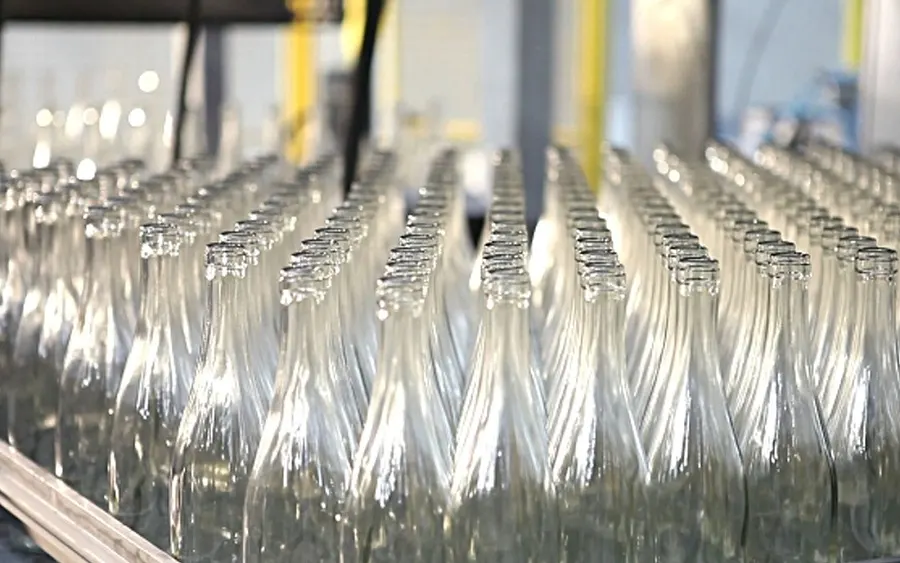
Beta Glass, Nigeria's leading glass packaging manufacturer, grew third-quarter revenue by 11.7 per cent to N40.37 billion from N36.15 billion a year earlier, while gross profit climbed much faster — up 21.3 per cent to N15.18 billion — in unaudited results for the quarter and nine months ended September 30, 2026, released on October 30. The widening gap between revenue growth and gross profit growth is the definitive signal in the print: margin expansion, not volume, is carrying one of Nigerian industry's most consistent operators.
A gross margin lifting by more than five percentage points year on year tells a more specific story than the sales line. Beta Glass manufactures glass containers and tableware at its facilities in Delta and Ogun states, selling primarily to brewers, beverage and pharmaceutical companies, and its pricing power has been rebuilt alongside the sector's capacity to pass through energy and FX costs since the 2023-2024 reforms.
Where the margin gains came from
Three drivers fit the numbers. The first is pricing strategy in a consolidating packaging market. With few credible domestic competitors at scale in container glass, Beta Glass has been able to reprice contract renewals in line with cost inflation rather than absorbing it, and brewers — its principal customers, whose own nine-month revenues have grown across listed names — have passed packaging costs through to consumers in a high-inflation environment.
The second is energy efficiency and input localisation. Glass manufacturing is a gas-guzzling process, and the company's margins have historically swung with natural gas availability and cost. The better gas-supply years of 2025-2026, combined with higher furnace utilisation after its capacity expansions, lift gross margins mechanically: the same plant producing more units spreads fixed conversion costs thinner.
The third is the product mix shift that Nigerian industrial companies have consistently exploited in recent years: higher-value pharmaceutical-grade and export-container volumes that grew against retail tableware demand, an area where the weaker naira has historically eroded import competition and strengthened domestic substitution.
The industrial context: glass as a beneficiary of import substitution
Beta Glass operates in a rare corner of Nigerian industry where the currency's long weakness has been an income booster rather than a cost curse. Glass packaging competes directly with imported PET, aluminum and glass containers, and shipping costs plus tariff and FX exposure have made local supply more attractive to brewers and pharmaceutical firms over the past three years. That substitution effect — visible in the company's booking volumes — is one of the quiet structural stories of the post-devaluation era: the devaluation that punished import-dependent sectors protected the local manufacturers who could replace them.
The customers' own result adds credibility to the demand picture. Nigeria's brewing and beverage sector posted strong 2026 nine-month results across listed players, buoyed by seasonal demand and pricing, and packaging suppliers ride the volumes that flow through their customers' lines. When brewers are growing revenue, glass-container offtake tends to track with a lag.
What the nine-month results signal for the full year
The interim results cover both the quarter and the nine months, with third-quarter gross profit growth significantly outpacing top-line growth — a compounding advantage that typically extends into the fourth quarter, which is the strongest sales season for the beverage supply chain. On the evidence of four consecutive quarters of expansion this year, the group's full-year results will plausibly chart a record unless energy inputs deteriorate sharply in the final weeks of the year.
Two risks frame the read. The first is energy: any deterioration in gas supply or pricing during the dry season, when Nigeria's grid struggles and industrial gas demand runs hot, eats directly into glass furnaces' economics — the transmission is visible in the wider manufacturing sector's own PMI surveys, which have stayed in expansion during consecutive months. The second is competition from plastic alternatives, which are cheaper at scale for high-volume soft-drink segments and could cap volumes at the retail end of the market.
Investor read-through
For equity investors watching the industrial side of the Nigerian Exchange — a market that remains up more than 60 per cent for 2026 despite this week's N3.28 trillion single-day heavyweight retreat — Beta Glass offers the purest illustration of the thesis that margin-expansion stories, not mere top-line stories, are what the local market will pay premiums for. The company's shares rode multiple re-ratings in 2024-2025 as the glass-maker began to extract margin from the cost pass-through era, and the third quarter confirms that the trend did not fade with the calendar year.
The caution is straightforward: at some point, pricing-led margin expansion exhausts itself when consumers resist further pass-through. If headline inflation continues falling from September's 14.63 per cent and consumers become price-sensitive again, the fourth quarter and 2027 will test whether Beta Glass's next phase of growth comes from volume — new plants, new export markets, new pharmaceutical customers — rather than from raises. On the strength of a 21.3 per cent gross-profit jump against 11.7 per cent revenue growth, the transition is underway from a cost-recovery story to a scale-up story. The market will treat that as proof of a company built to grow through the cycle rather than merely to survive reform.
Up next
Dangote Refinery Lifts Petrol Price to N1,300 a Litre
Dangote Refinery raises its petrol gantry price to N1,300 per litre from N1,215 on November 3, with local pump prices rising to about N1,360 as crude costs bite.
More in Corporate
See all
Dangote Cement posts nine-month profit of N974.8 billion as the stock extends its rally on record monthly volumes
Dangote Cement reported nine-month 2026 profit after tax of N974.8 billion, up 31.2 per cent year on year, on revenue of N3,774.2 billion, while its shares on the Nigerian Exchange extended gains into Thursday's session.

MeCure profit rises 36% as marketing savings lift operating margin
Operating profit grew faster than revenue, but finance costs absorbed about half of that result as the company expanded its fixed assets.

Nigerian Breweries profit rises 33% as financing costs ease
A wider gross margin and lower net finance costs lifted earnings, while third-quarter revenue declined and distribution expenses increased.
About the author
Amaka Obi
Senior Business Reporter
Amaka Obi writes for BusinessPress.
More by Amaka Obi


