
Lagos, World Bank Target Stronger Governance as Six States Meet Over Public Service Reforms
The two-day meeting, scheduled for November 10–11, 2026, in Ikeja, will bring together government officials and technical...
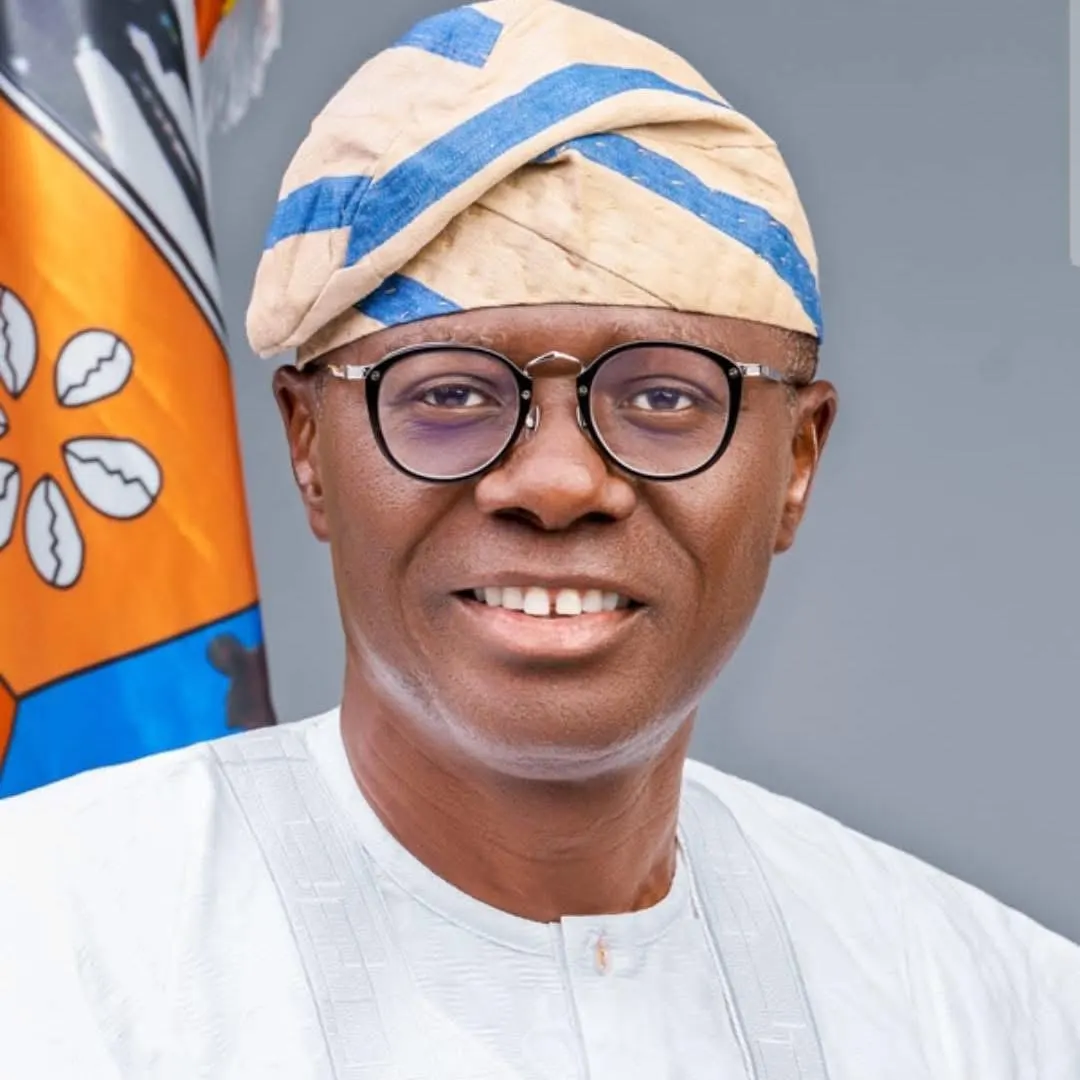
Lagos State is set to become the centre of a major governance reform engagement as the World Bank and six South-West states prepare to assess public sector performance, financial accountability and the delivery of essential services under Nigeria's HOPE-GOV Programme.
The two-day meeting, scheduled for November 10–11, 2026, in Ikeja, will bring together government officials and technical representatives from Lagos, Ogun, Oyo, Osun, Ondo and Ekiti states.
Discussions will focus on implementation progress, institutional weaknesses and practical measures to strengthen the management of public resources, particularly in sectors directly affecting citizens.
The engagement forms part of the World Bank's nationwide Implementation Support Mission, scheduled for November 9–30, under the Human Capital Opportunities for Prosperity and Equity (HOPE) Programme.
Coordinated by the Federal Ministry of Budget and Economic Planning under Minister Senator Atiku Bagudu, the mission is expected to provide participating states with technical guidance while reviewing progress against programme objectives.
Governance Reforms Take Centre Stage
The Lagos meeting comes amid continuing efforts to improve how public institutions manage government resources and translate policy commitments into measurable improvements in public services.
At the centre of the engagement is HOPE-GOV, the governance component of the wider HOPE Programme, which seeks to strengthen public financial management, institutional accountability and administrative processes.
Rather than focusing exclusively on government expenditure, the initiative places emphasis on the systems through which public funds are allocated, monitored and translated into services.
For participating states, this means examining institutional capacity, identifying implementation challenges and improving coordination among agencies responsible for budget execution and service delivery.
The discussions are also expected to provide an opportunity for states to exchange implementation experiences and identify approaches that could strengthen governance outcomes across the region.
Education and Healthcare Remain Key Priorities
Although HOPE-GOV focuses primarily on governance and accountability, its objectives are closely connected to two other components of the national programme.
HOPE-PHC targets improvements in primary healthcare, while HOPE-EDU focuses on basic education.
Together, the three components are designed to address weaknesses affecting human capital development, including the institutional and financial challenges that can undermine access to essential public services.
For Lagos, the programme complements existing efforts to improve educational opportunities and strengthen public service delivery.
Governor Babajide Sanwo-Olu had earlier launched an e-learning platform and free academic materials for public school students at Marina as part of the state's implementation of the HOPE initiative.
The intervention reflects the government's broader emphasis on expanding access to learning resources while supporting improvements in educational outcomes.
[irp]
Lagos Seeks Stronger Coordination Among States
Ahead of the meeting, the Permanent Secretary of the Lagos State Ministry of Economic Planning and Budget, Mrs. Olayinka Modupe Ojo, described the engagement as an opportunity to strengthen cooperation among participating states.
According to her, the mission will help government institutions identify implementation difficulties, improve coordination and develop practical responses to challenges affecting programme delivery.
She also emphasised the importance of evidence-based decision-making in strengthening governance and improving services, particularly in basic education and primary healthcare.
Her position underscores the role of institutional cooperation in ensuring that reforms move beyond policy documents to produce tangible outcomes.
[irp]
The Commissioner for Economic Planning and Budget, Mr. Mosopefoluwa George, similarly identified effective governance and public sector accountability as important foundations for Nigeria's human capital development.
He reaffirmed the Lagos State Government's commitment to strengthening public institutions and improving access to quality education and primary healthcare.
The commissioner maintained that the programme's objectives align with efforts to improve government efficiency and ensure that public institutions respond more effectively to citizens' needs.
Why Public Financial Management Matters
One of the central issues surrounding the HOPE-GOV initiative is the relationship between financial accountability and the quality of public services.
Effective budget planning alone does not guarantee improvements in education or healthcare. Results also depend on how efficiently resources are released, managed and monitored by implementing institutions.
Weak coordination between ministries and agencies can delay projects, complicate financial reporting and reduce the effectiveness of public interventions.
By strengthening governance systems, the programme seeks to address institutional constraints that may prevent public expenditure from delivering its intended benefits.
[irp]
For South-West states, the meeting offers an opportunity to review these challenges collectively while considering practical improvements in financial management and institutional oversight.
The effectiveness of the initiative will ultimately depend on whether participating governments translate technical recommendations into sustained administrative improvements.
Finance, Education and Health Officials to Participate
The Lagos engagement will bring together officials whose responsibilities cut across public finance, education, healthcare and programme implementation.
Expected participants include state focal persons and technical representatives from Ministries of Finance, Budget, Education and Health.
Officials from the Offices of the Accountants-General, State Universal Basic Education Boards and State Primary Health Care Development Agencies will also participate.
Their involvement is significant because the programme's objectives require coordination among institutions responsible for planning, funding, implementing and monitoring government services.
[irp]
The meeting is expected to provide a platform for examining implementation progress across these institutions and identifying areas where additional technical support may be necessary.
Nationwide Engagement Continues in November
Following the physical meeting in Lagos, the World Bank's implementation support activities will continue through a virtual engagement scheduled for November 17–18.
The online discussions will extend technical support and implementation reviews to participating states across Nigeria.
The broader mission, which runs until November 30, forms part of continuing efforts to strengthen coordination between federal and state institutions involved in the HOPE Programme.
[irp]
Beyond the immediate review of programme implementation, the engagement highlights a wider policy challenge facing Nigerian governments: ensuring that public spending delivers meaningful improvements in citizens' everyday lives.
For Lagos and the five other participating South-West states, the November meeting will provide an opportunity to assess progress, address institutional weaknesses and strengthen the governance structures supporting education, healthcare and public financial management.
Up next
JobEX Opens Doors to Global Opportunities for Nigerians
For Nigerian users, the Full Access offering is priced at ₦2,999 , providing a relatively modest entry point for users seeking broader...
More in Business
See all
Nigeria Grid Weakens on Gas and Hydro Constraints
NISO blames declining grid generation on gas supply constraints and low hydro water levels as the dry season pushes demand higher.

Baagrilink Puts an AI Agronomist to Work for Smallholders
Nigerian startup Baagrilink is testing an AI agronomist with soil testing and a produce marketplace ahead of its launch.

IFC Backs 15 African Agritech Startups in New Equity Model
IFC launched an agritech financing programme injecting equity into 15 African startups and linking them to 200 banks via guarantees.
About the author
Abiodun Abdullahi
Author / Business and Markets Writer
Abiodun Abdullahi writes for BusinessPress.
More by Abiodun Abdullahi


