
SEC Warns Shortage of Credible Issuers Is Holding Back Nigeria's Capital Market
The Securities and Exchange Commission has warned that a lack of credible companies willing to list is limiting the depth of Nigeria's capital market.
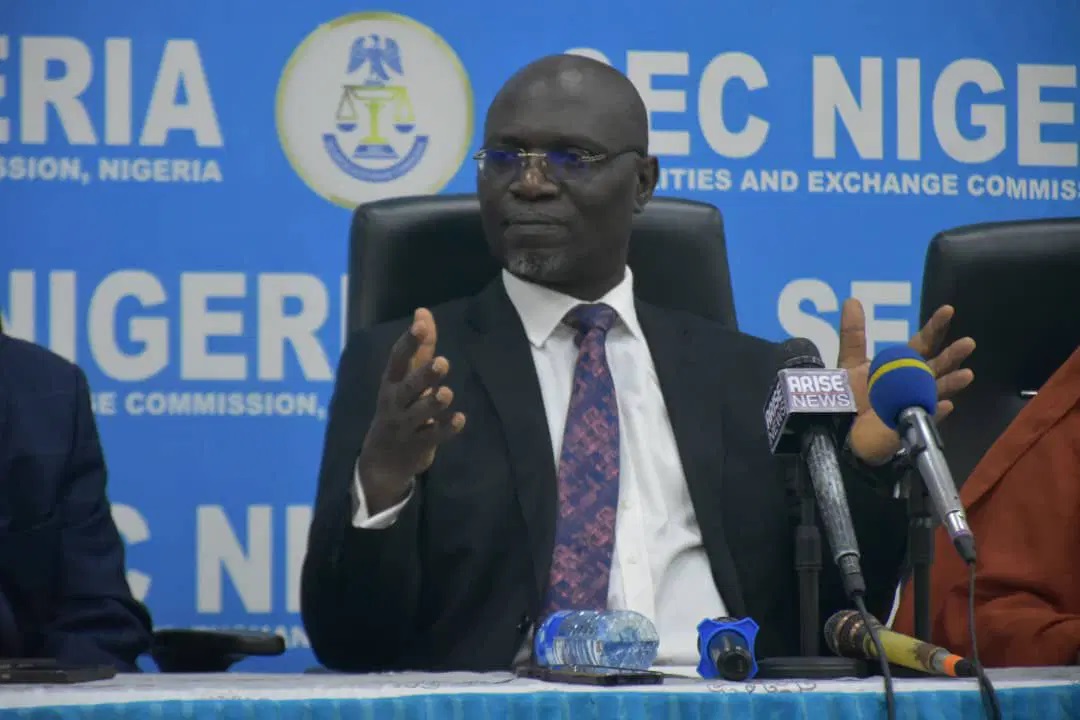
Nigeria's capital market regulator has warned that a shortage of credible issuers is holding back the development of the country's equity and debt markets, even as demand for investment opportunities grows.
The Securities and Exchange Commission has repeatedly flagged that the Nigerian market lacks a deep pipeline of companies willing and able to list. Demand from domestic pension funds, insurers and retail investors is rising, but the supply of high-quality securities to absorb that demand has not kept pace. The result is a market where a relatively small number of large stocks carry a disproportionate share of trading and valuation.
Why issuers are scarce
The reasons are well known. Many of Nigeria's most successful companies are privately held and see little benefit in the disclosure, scrutiny and cost that come with a public listing. Others are deterred by the country's difficult operating environment, the volatility of the naira and the perception that the market undervalues them. Some family-owned firms are reluctant to cede control or open their books.
The consequences are structural. A shallow market is less efficient at allocating capital, more vulnerable to the fortunes of a few large companies and less attractive to foreign institutional investors who need breadth and liquidity to invest at scale. It also limits the options available to Nigerian savers seeking long-term returns.
A capital market is only as strong as the companies that list on it. Without a steady supply of credible issuers, demand alone cannot build depth.
The IPO pipeline
There are signs of change. The Dangote Refinery's multibillion-dollar initial public offering, if completed, would be the largest listing in years and could draw a wave of new investors. The telco and fintech sectors have produced candidates, and the government's privatisation agenda could bring state assets to market. The recapitalisation of the banking sector has also generated substantial new issuance.
But one blockbuster deal does not make a market. Sustained development requires a recurring flow of listings across sectors and sizes, including smaller companies that can grow into the market's future leaders. That, in turn, requires an enabling environment: predictable regulation, strong investor protection, efficient settlement and a tax regime that does not penalise public companies.
The regulatory push
The SEC has sought to address the problem through reforms, including technology-driven processes, new rules for digital assets and efforts to make listing easier. It has also encouraged companies to see the market as a source of growth capital rather than a final destination. Analysts say those efforts must be matched by action in the wider economy, because no regulator can force a company to list.
For Nigeria, closing the issuer gap is about more than market statistics. A deep capital market would give businesses a cheaper, more reliable way to fund expansion and give citizens a stake in the country's corporate success. Until the pipeline widens, that potential will remain partly unrealised.
Up next
CBN's Liquidity Squeeze Keeps Banks Tight Despite Trillion-Naira Inflows
The Central Bank of Nigeria is mopping up excess cash to keep money-market conditions tight, supporting the naira and inflation but keeping borrowing costs elevated.
More in Finance
See all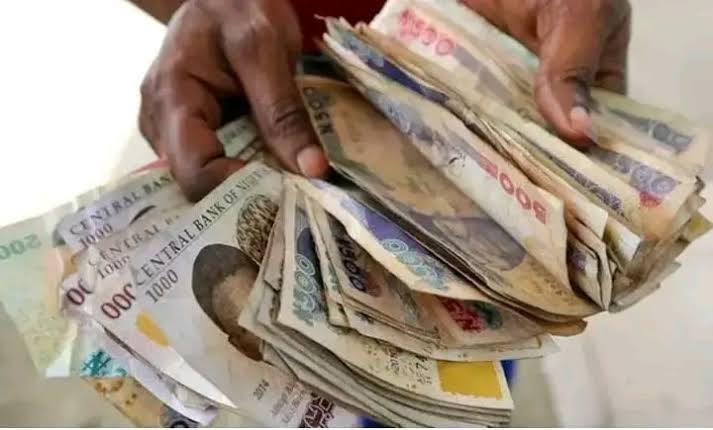
Five Nigerian Lenders Post Combined N2.29 Trillion Profit in First Half of 2026
Five leading Nigerian financial institutions reported a combined pre-tax profit of about N2.29 trillion in the first half of 2026, cementing banking's dominance of corporate earnings.
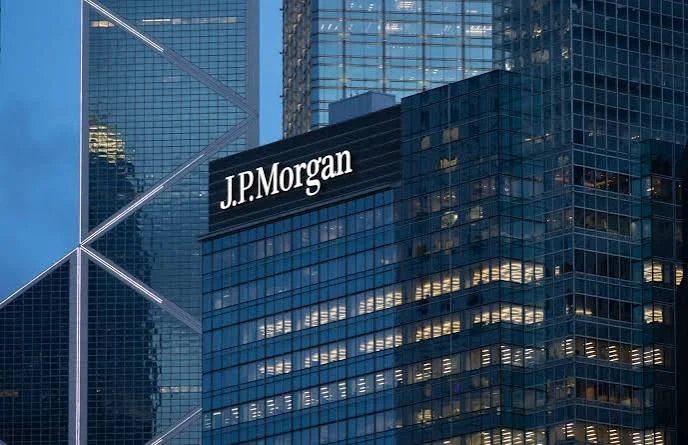
JPMorgan to Open Nigerian Merchant Bank as Nigeria Joins Its Frontier Bond Index
The US banking giant plans to establish a merchant bank in Nigeria before the end of 2026 and has added the country to a new emerging-market bond index, in twin votes of confidence for the capital market.

Zenith Bank proposes 20% higher interim dividend as H1 pre-tax profit rises
The lender reported N637.6 billion in profit before tax for the six months to June, while after-tax earnings fell and the board proposed a N1.50-per-share interim payout.
About the author
Musa Abdullahi
Finance Correspondent
Musa Abdullahi writes for BusinessPress.
More by Musa Abdullahi


