Ethiopia joins continental payment system
Ethiopia has joined the Pan-African Payment and Settlement System to cut hard currency use for intra-African trade, with Addis Ababa set to host PAPSS COWRY 2026 in November.
Ethiopia's continental payment integration
Ethiopia has officially joined the Pan-African Payment and Settlement System, a move that is set to ease cross-border transactions for its businesses and financial institutions while reducing reliance on hard currency for intra-African trade. The announcement was made by the National Bank of Ethiopia and the Pan-African Payment and Settlement System on 15 October 2026, on the sidelines of the Ethiopia Finance Forum in Addis Ababa, according to an Afreximbank press release issued on the same day. The Pan-African Payment and Settlement System was established under the auspices of Afreximbank, the African Union and the African Continental Free Trade Area Secretariat to support Africa's economic integration.
The development means Ethiopian banks and payment service providers can now clear and settle transactions in local currencies with other participating African jurisdictions through the platform. According to statements attributed to H.E. Dr. Eyob Tekalign, Governor of the National Bank of Ethiopia, the integration forms part of broader efforts to modernise Ethiopia's financial system and deepen economic ties across the continent. He noted that the step would create new opportunities for Ethiopian financial institutions and businesses to participate more actively in cross-border payments and intra-African trade. For the National Bank of Ethiopia, the adoption is also aligned with ongoing reforms aimed at expanding access to efficient payment infrastructure and strengthening the country's links to continental markets.
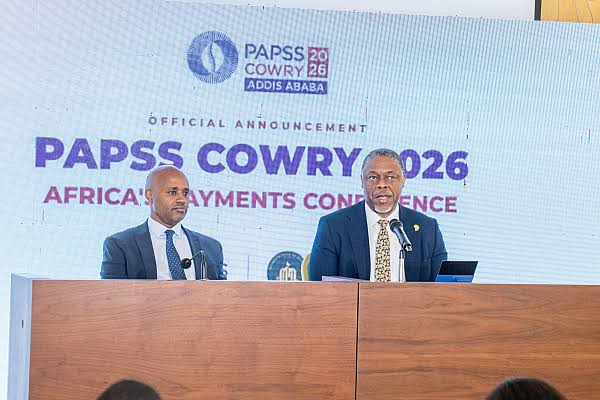
Mike Ogbalu III, Chief Executive Officer of the Pan-African Payment and Settlement System, said at the joint press conference that Ethiopia's entry was an important milestone for the platform. He pointed to the scale of the country's financial ecosystem and the appetite among institutions and entrepreneurs for new technologies and partnerships that can facilitate trade with the rest of Africa. By connecting Ethiopian financial institutions to a growing continental payments network, the system is designed to shorten settlement cycles, improve transparency and lower the foreign exchange friction that has long added costs to cross-border trade. These efficiencies are particularly relevant for small and medium-sized enterprises that often lack the capacity to navigate multiple correspondent banking arrangements.
Cutting hard currency dependence
A key objective of the Pan-African Payment and Settlement System is to limit the use of third-party currencies for transactions between African markets. The platform allows for netting and settlement in local currencies where possible, reducing exposure to conversion costs and liquidity pressures tied to hard currency. For Ethiopia, this comes at a time when policymakers are seeking to bolster non-oil and non-traditional trade while managing external balances. Greater use of local currency settlement can help preserve scarce foreign exchange for priority imports and give exporters more predictable pricing when trading with African partners. It also creates scope for more balanced trade relationships within regional blocs and under the African Continental Free Trade Area framework.
Beyond the immediate payments benefit, the integration is expected to encourage greater financial inclusion and competition among service providers. With more counterparties accessible through a single infrastructure, banks may be able to offer more competitive rates to businesses. The platform's expansion also reflects a broader shift towards homegrown financial infrastructure aimed at insulating African trade from global payment bottlenecks. While correspondent banking remains important for global trade, regional clearing capacity provides an alternative for transactions that can be settled within Africa. The effectiveness of that alternative will depend on onboarding more participants, ensuring interoperability and maintaining robust risk controls as volumes grow.
Continental momentum and next steps
The announcement in Addis Ababa came as the National Bank of Ethiopia and the Pan-African Payment and Settlement System also confirmed that Ethiopia will host PAPSS COWRY 2026, Africa's Payments Conference, on 26-27 November 2026 at the Ethiopian Skylight Hotel in Addis Ababa. Co-hosted by the two institutions, the gathering is expected to bring together central banks, commercial banks, fintechs, regulators and businesses to discuss the future of payments on the continent. COWRY has become a regular forum for reviewing adoption, regulatory harmonisation and innovation in cross-border settlement. Ethiopia's hosting of the second edition signals the country's growing prominence in continental financial discussions.
As Ethiopia integrates into the network, attention will turn to the pace of domestic onboarding of commercial banks and other licensed payment institutions. Ensuring that the benefits extend beyond large corporates to smaller traders will be a key test for the system. For businesses engaged in regional trade, the prospect of faster, cheaper settlement represents a practical gain. For policymakers, it marks a step towards deeper monetary and trade integration. With the continental payments infrastructure continuing to expand, Ethiopia's entry adds weight to efforts to build a more connected African market, underpinned by reliable and affordable payment rails that support trade-led growth.
Up next
IMF Backs CBN's 350bps Rate Cut, Says Monetary Stance Still Tight
The IMF said the CBN's cut of the policy rate to 23% was appropriate and 'the right thing to do', but stressed Nigeria's monetary stance remains tight and disinflation incomplete.
More in Technology
See allFintechs brace for new consumer-protection rules
The framework tightens disclosure requirements and sets a cap on certain transaction fees.

Global PC Shipments Fall 20.1%, Squeezing Nigeria's Import-Dependent Market
Worldwide PC shipments dropped 20.1 per cent in the third quarter of 2026, IDC says, the sharpest third-quarter fall on record, leaving Nigeria's imported laptop market exposed to higher prices.

Universal Music Group Cuts Costs With Fresh Layoffs and $270m Savings Target
The music major is trimming staff worldwide as it funds AI-era licensing infrastructure and redirects resources to high-growth priorities.
About the author
Chinedu Nwosu
Technology Editor
Chinedu Nwosu writes for BusinessPress.
More by Chinedu Nwosu