NAFDAC destroys N22.73bn unsafe products
NAFDAC destroyed N22.73 billion worth of unsafe and substandard products between January and August 2026, seizing cosmetics, drinks, drugs and food in nationwide raids.
Nationwide crackdown intensifies
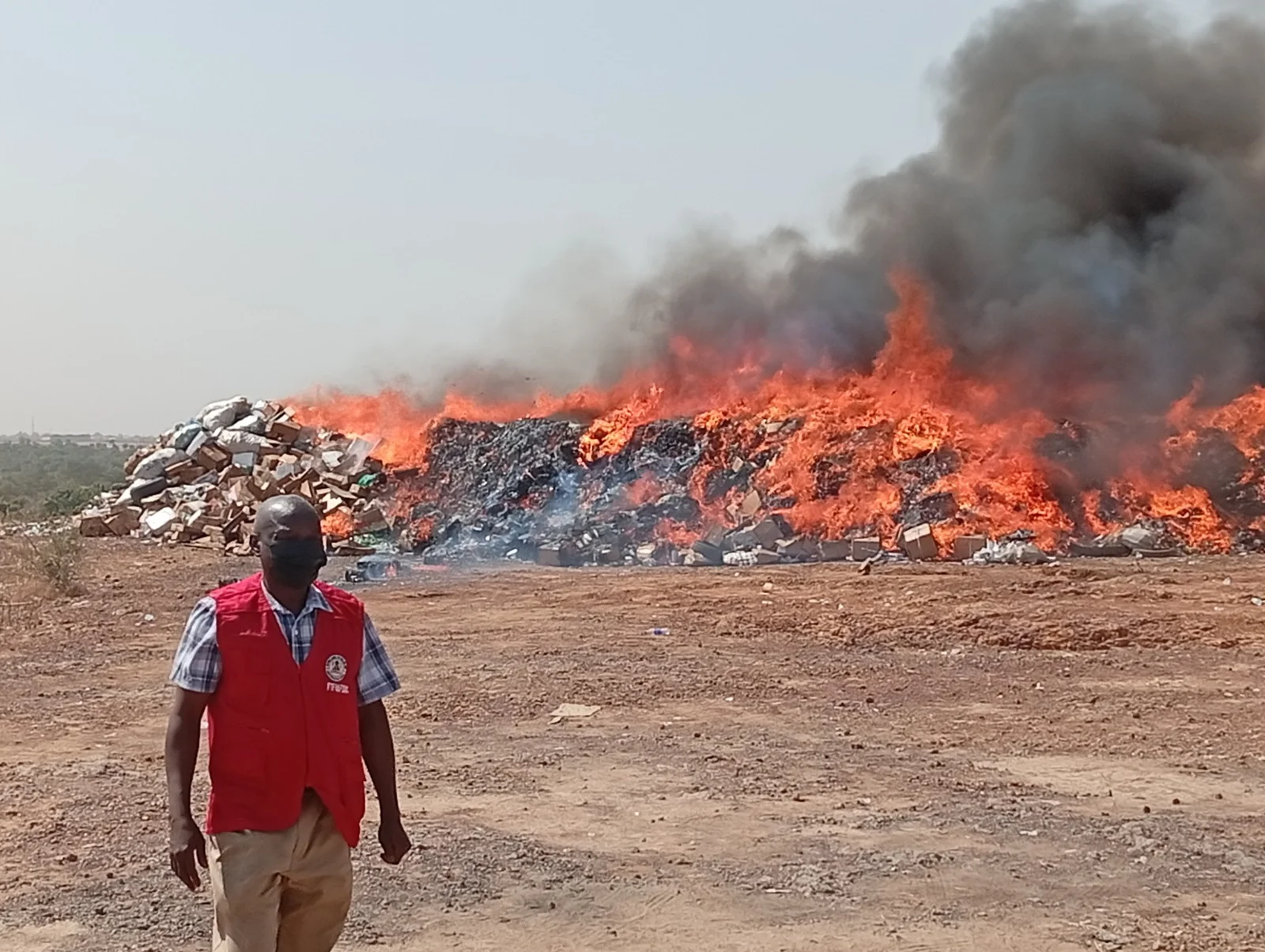
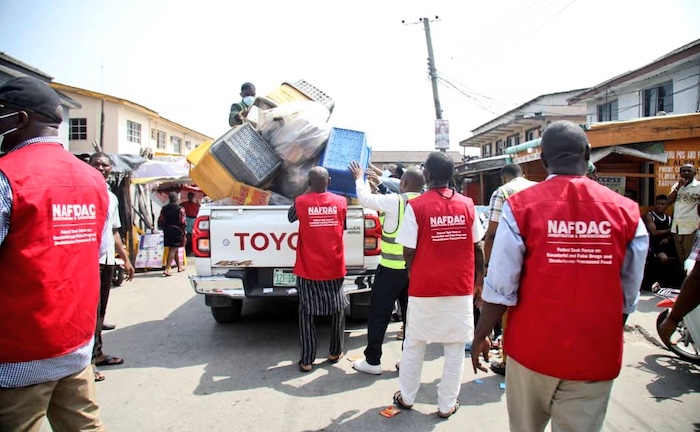
The National Agency for Food and Drug Administration and Control has destroyed unsafe, falsified and non-compliant regulated products worth N22.73 billion between January and August 2026, as the agency stepped up enforcement across the country. According to data from the agency's Directorate of Investigation and Enforcement, NAFDAC recorded 5,542 enforcement activities, 213 raids, 821 product seizure entries, 179 premises closed or sealed and 52 arrests during the eight-month period. It also handled 474 new cases, concluded 295 cases and carried out 22 destruction exercises. The figures underscore the scale of potentially harmful goods that could have reached consumers had they not been intercepted.
The enforcement effort covered a broad range of regulated products, reflecting the complexity of Nigeria's consumer markets. Cosmetics accounted for 401 seizure entries, followed by drinks with 215, drugs with 112, food with 69 and chemicals with 22. These categories point to persistent challenges around quality control, particularly in sectors where informal distribution channels can make it difficult to track supply chains. NAFDAC officials have repeatedly stressed that substandard products pose serious public health risks, from ineffective medicines to hazardous cosmetics and adulterated food and beverages. The agency's focus on multiple product categories signals a shift towards a more comprehensive approach to consumer protection rather than concentrating solely on pharmaceuticals.
The cumulative value of destroyed products rose steadily over the period. Four destruction exercises carried out in July involved products valued at N9.03 billion, the highest monthly figure recorded during the eight months. That pushed the total to N22.58 billion. In August, NAFDAC recorded 941 enforcement activities, 28 raids and 232 seizure entries. Twenty premises were closed or sealed, three arrests were made and 37 sanctions were imposed. Sixty-nine cases were concluded against 61 newly reported cases. Two destruction exercises in August, involving products valued at N157.7 million, brought the cumulative value of destroyed goods to N22.73 billion.
Targeting supply chains
The scale of seizures and closures points to NAFDAC's efforts to disrupt supply chains rather than focusing solely on retail outlets. Raids on manufacturing, warehousing and distribution points allow the agency to remove larger consignments before they reach consumers. By sealing premises and imposing sanctions, NAFDAC also aims to create deterrence for operators willing to cut corners for profit. The closure of 179 premises and 52 arrests over eight months demonstrate that enforcement is being applied at multiple points along the chain. However, the volume of goods intercepted also highlights the persistence of the problem, suggesting that sustained surveillance and stronger collaboration with other agencies remain necessary to curb the flow of falsified and substandard products.
NAFDAC has attributed the sustained crackdown to its broader strategy of risk-based surveillance and intelligence-led operations. By prioritising high-risk product categories and locations, the agency has been able to maximise the impact of limited resources. The concentration of seizures in cosmetics and drinks is particularly notable, as these categories often attract less scrutiny than pharmaceuticals but can carry significant health risks. The agency's data shows that enforcement is not limited to counterfeit medicines alone, but extends to all regulated goods that fail to meet required standards. This broad scope is essential in a market where adulteration and mislabelling cut across sectors.
Consumer protection and deterrence
While destruction of seized products removes immediate threats, the long-term impact of the crackdown will depend on prevention and prosecution. Concluding 295 cases out of 474 handled during the period suggests a reasonable pace of case management, though backlogs remain a challenge for many regulatory agencies. Effective sanctions, including fines and custodial sentences where warranted, are critical to deterring repeat offenders. Public awareness also plays a role, as informed consumers are more likely to scrutinise products and report suspicious goods. NAFDAC's enforcement figures send a clear signal that non-compliance carries consequences.
For consumers, the N22.73 billion worth of destroyed products represents a significant amount of unsafe goods removed from circulation. For legitimate manufacturers and distributors, robust enforcement helps level the playing field by penalising those who undercut standards. As NAFDAC continues to strengthen its enforcement capacity, the focus will need to remain on high-risk supply chains, inter-agency coordination and follow-up on prosecutions. The challenge is to sustain this momentum beyond headline figures, ensuring that the rate of interception translates into lasting improvements in product quality and consumer safety across Nigeria's markets.
Up next
MAX Extends Series B3 to $29m as Nithio Backs Nigeria's Electric Mobility Push
Nigerian electric mobility firm MAX has extended its Series B3 round to $29 million after new financing from Nithio, with proceeds earmarked for vehicle financing and solar-powered battery swapping.
More in Business
See all
Nigeria's Telcos Burn Over 40m Litres of Diesel Monthly as Solar Push Stalls
Nigerian telecom operators spend more than $350 million a year on diesel, consuming over 40 million litres monthly, while the switch to solar-hybrid power remains stuck at about a fifth of towers.

Power Minister Rules Out Electricity Tariff Increase, Targets 24-Hour Supply
Minister of Power Joseph Tegbe says there is no plan to raise electricity tariffs, insisting the focus is round-the-clock supply as the FG flags off 17.7MW of mini-grids in Oyo State.
NAFDAC Seizes N200m Counterfeit Beverage Packaging in Aba Raids
The food and drug regulator seized fake packaging for alcoholic beverages across shops in Aba, stepping up enforcement against product adulteration.
About the author
Amaka Obi
Senior Business Reporter
Amaka Obi writes for BusinessPress.
More by Amaka Obi