Nigeria's Inflation Eases to 14.63% in September as Food Prices Fall
The NBS said headline inflation dropped to 14.63% in September from 15.39% in August, with month-on-month food prices falling 1.55% and core inflation at 12.95% year-on-year.
Nigeria's headline inflation fell to 14.63 per cent in September 2026, down from 15.39 per cent in August, as food prices declined on a monthly basis for the first time this year, the National Bureau of Statistics (NBS) said on Thursday. The print extends the disinflation run to a fourth consecutive month and lands three weeks after the Central Bank of Nigeria (CBN) cut its benchmark rate by 350 basis points.
According to the NBS Consumer Price Index report, released on Thursday with a base year of 2024 = 100, the September rate was 6.35 percentage points lower than the 20.98 per cent recorded in the same month of 2025. On a month-on-month basis, prices rose by 0.06 per cent in September, 0.65 percentage points slower than the 0.71 per cent recorded in August. "This means that in September 2026, the rate of increase in the average price level was lower than the rate recorded in August 2026," the bureau said.
Food prices fall, core prices firm up
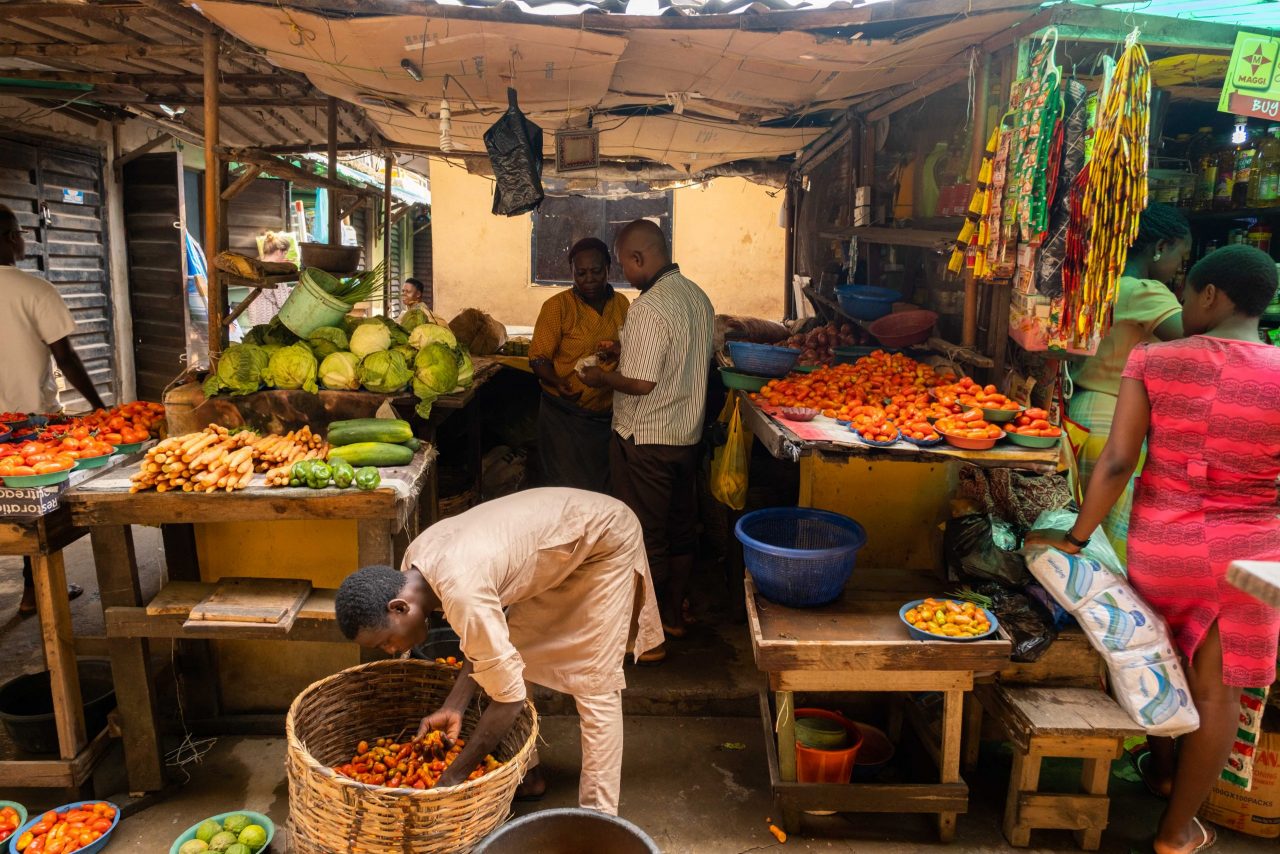
Food inflation stood at 19.59 per cent year-on-year in September, against 20.16 per cent a year earlier. On a month-on-month basis, the food index fell by 1.55 per cent, a 2.57 percentage-point swing from the 1.02 per cent rise recorded in August. The NBS attributed the monthly movement to price changes in grains, rice, eggs, onions, palm oil, vegetables, potatoes, plantain and tomatoes. The twelve-month average food inflation rate for the year to September was 15.72 per cent, down 12.66 percentage points from 28.37 per cent in the preceding year.
Core inflation, which strips out volatile agricultural produce and energy prices, eased to 12.95 per cent year-on-year from 22.11 per cent in September 2025, but rose on a monthly basis to 1.11 per cent from -0.06 per cent in August. That divergence matters: the headline decline was driven almost entirely by food, while underlying price pressures in services and manufactured goods strengthened during the month.
At the divisional level, the NBS said the three largest contributors to headline inflation were food and non-alcoholic beverages at 5.85 per cent, restaurants and accommodation services at 1.89 per cent, and transport at 1.56 per cent. Food's share of the headline figure has narrowed from 6.18 per cent in July, but it still accounts for close to 40 per cent of the total, which is why the monthly food deflation did so much work in pulling the overall number down.
Urban prices rose while rural prices fell
The urban and rural indices moved in opposite directions in September. Urban inflation was 15.64 per cent year-on-year, down from 28.48 per cent in September 2025, but month-on-month urban prices rose 0.53 per cent, up from 0.28 per cent in August. Rural inflation was 12.46 per cent year-on-year, compared with 25.67 per cent a year earlier, while rural prices fell 0.89 per cent on a monthly basis, a 2.68 percentage-point drop from the 1.79 per cent recorded in August.
The split suggests the September relief was concentrated in the countryside, where food production and distribution costs eased, while city households continued to face higher prices for housing, services and transport. For retailers and fast-moving consumer goods companies, the urban monthly figure is the more relevant demand signal.
What the print means for the CBN's rate path
The release is the first inflation report since the MPC's September 22 decision to reset the monetary policy rate to 23 per cent from 26.5 per cent, the largest single cut in the bank's history. It also follows a currency that has firmed to about N1,333 per dollar at the Nigerian Foreign Exchange Market on October 14, a day before the data dropped.
Officials have framed the cut as a recalibration rather than the start of an easing cycle. The CBN's director of stakeholder engagement and institutional relations, Hakama Sidi-Ali, said at the Abuja International Trade Fair last week that the reduction was designed to support productive activity without losing focus on bringing inflation to single digits. The September print leaves a 4.63 percentage-point gap to that target.
The immediate question for the MPC is whether the monthly reading of 0.06 per cent holds. A flat or negative October print, alongside a stable naira, would strengthen the case that the real interest rate remains firmly positive even at a 23 per cent policy rate. A rebound in urban monthly inflation or a renewed rise in energy costs would instead suggest the September food decline was seasonal, tightening the committee's room for further movement when it meets again.
Up next
Ten NGX stocks account for 71% of N160tn market value
Ten leading stocks on the Nigerian Exchange account for N115.98 trillion, or about 71 per cent of the bourse's equity market value of around N160 trillion, underscoring high market concentration.
More in Economy
See all
Nigeria's September Inflation Seen Easing to About 15.5% Ahead of NBS Release
Analysts project headline inflation near 15.5% as disinflation continues, though high oil prices and sticky food costs keep the single-digit target at a distance.
Inflation cools for a third straight month as food prices ease
The slowdown gives policymakers room to hold, but the service sector is still running hot.

Nigeria spent N5.28tn on domestic debt service in H1 2026
Nigeria spent N5.28 trillion servicing domestic debt in the first half of 2026, with interest and rental payments accounting for N4.95 trillion, according to the Debt Management Office.
About the author
Tunde Balogun
Economics Correspondent
Tunde Balogun writes for BusinessPress.
More by Tunde Balogun