
Nigeria FX Utilisation Rises to $18.3bn in Q2
CBN data show official-market FX utilisation climbing to $18.3bn in Q2 from $16.2bn in Q1, with invisibles at $13.2bn dwarfing goods at $5.1bn.
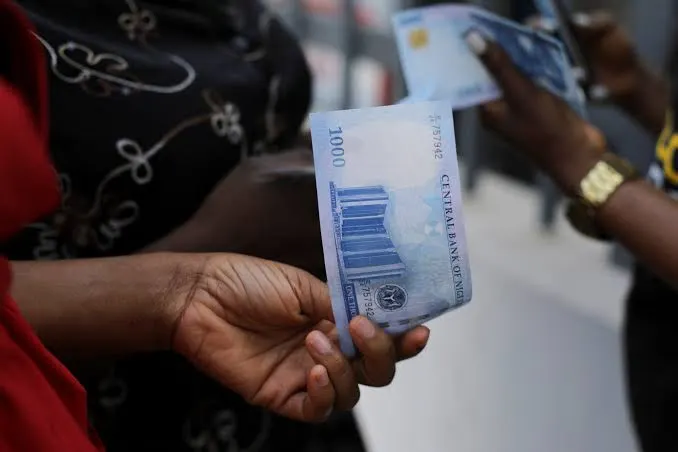
Nigeria's use of foreign exchange in the official market rose to $18.3 billion in the second quarter of 2026, up from $16.2 billion in the first quarter and $12.0 billion a year earlier, according to central bank data, a 60 per cent year-on-year expansion that offers the clearest quantitative evidence yet of how much the post-reform FX regime has deepened rationing removed and allocation made transparent.
The composition is as telling as the level. Invisible transactions — services, remittances, travel, education and other non-goods flows — accounted for $13.2 billion of second-quarter utilisation, while goods imports took $5.1 billion, meaning service-related demand now dwarfs merchandise imports in the official window. The rise renders concrete the shift from the opaque allocation queues that characterised the pre-2023 era, where banks rationed scarce dollars with premiums that peaked above 60 per cent, towards a unified market in which verified demand clears at quoted rates.
What the utilisation data actually measures
FX utilisation is the mirror image of supply: it records dollars actually deployed by end users through the official market rather than bid volumes or auction statistics. Rising utilisation alongside a relatively stable naira — the official rate has held in the N1,349-1,350 range against the dollar across this week — indicates that supply from strong non-oil inflows, portfolio flows, remittances and improved oil receipts has been sufficient to accommodate demand growth without adverse price movement. Gross external reserves reinforce the point, standing at roughly $55.2 billion at the end of October, up $9.66 billion since January.
The tool is also diagnostic. In the rationing era of 2022-2023, suppressed demand accumulated as a backlog that destabilised any easing of controls; the multiquarter expansion of utilisation through 2025-2026 suggests the backlog was largely cleared, so what the market now clears is more likely to reflect current economic appetite — freight, dividends, school fees, industrial raw materials — than pent-up historical claims.
The invisibles story Nigeria often misreads
Invisibles at $13.2 billion versus goods at $5.1 billion deserves particular attention, because the popular narrative treats dollar demand as روdominated by importers of finished goods. The official data show the country's largest FX-consuming activities are service and financial in nature: travel, education abroad, professional services, loan service and dividend distributions to foreign investors. That profile carries two implications. First, any evaluation of pressure on the naira that focuses solely on trade policy — tariffs, import bans, border controls — addresses only the smaller channel. Second, policies designed to retain service spending domestically, from aviation agreements to student-hosted education capacity, have larger FX payoffs than their political visibility suggests.
It also places renewed weight on the health of the invisible-generating sectors. Remittances have been lifted by the past two years' steady normalization of formal channels, and reduced parallel-market premia — narrowed to roughly N29 between official and street rates this week — encourage households to route transfers through banks instead of bureaux operating at punitive spreads.
Implications for the exchange-rate trajectory
Deepening official-market throughput is one of the pillars supporting the case that the naira's recent calm is structural rather than administered. When utilisation rises this sharply without reserves being depleted — October added just $295 million, the smallest monthly gain this year, but the year-to-date build remains intact — it implies the market is absorbing genuine supply-demand matches rather than CBN rationing, while keeping the gap to the parallel market compressed. A N29 premium is, by Nigerian standards of the past decade, a rounding error.
The risks, however, are equally identifiable. Utilisation growth depends on continued confidence of invisible-sector transactors; a reversal in programme travel, services or capital distributions would hit demand faster than goods flows. The reserve build's sharp slowdown in October — $295 million against the year's earlier pace — indicates the easiest accretion phase has passed, and external conditions, including volatile global sentiment around AI-driven equity markets this week, could tighten the portfolio-inflow channel at short notice.
What it means for businesses and investors
For import-dependent manufacturers, second-quarter data vindicate the return to quoted-price planning: invoices can be priced in naira on official rates with the reasonable expectation of access, eliminating the drastic two-part costing — official plus parallel backup — that ruined margins in 2022-23. For banks, deep throughput enlarges transaction-fee lines and FX desks' profitability. For bondholders, it underscores why the CBN could cut the Monetary Policy Rate by 350 basis points in September while keeping the currency stable: dollar demand is being met by market inflows rather than by rationing that forced the bank to defend a peg.
The third-quarter figures, due subsequently, will be the real test of durability. But the second quarter's record-setting utilisation — a 60 per cent year-on-year jump — already confirms the direction of travel: Nigeria's FX market is functioning as a market again, with volume, transparency and clearing as evidence.
Up next
Surprise US Jobs Rebound Steadies Strained Markets
US October payrolls surge to 165,000 against forecasts of 65,000, helping Wall Street rebound after an AI rout erased $3 trillion this week.
More in Finance
See all
Naira Steadies at N1,347 as Traders See Rally
Nigeria naira held near N1,347 as traders polled by Reuters expect appreciation next week on post-midterm risk-on flows.

Nigeria FX Defences Firm At 55bn Reserves And 115 Oil
Nigeria holds about 55 billion dollars in gross reserves with a record 46 billion net position as Bonny Light trades near 115 dollars per barrel.

Nigerian Banks Post Continental Lowest Lending Ratios
The five Nigerian groups in a 22-bank African ranking posted the lowest loan-to-deposit ratios as recapitalisation and fresh bad-loan recognition kept credit growth behind deposits.
About the author
Musa Abdullahi
Finance Correspondent
Musa Abdullahi writes for BusinessPress.
More by Musa Abdullahi


