
Naira Steadies at N1,347 as Traders See Rally
Nigeria naira held near N1,347 as traders polled by Reuters expect appreciation next week on post-midterm risk-on flows.
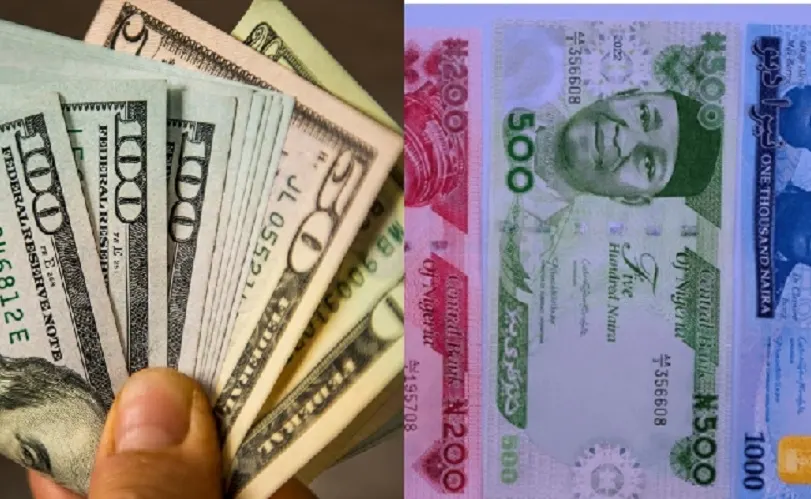
Nigeria's naira is positioned to strengthen against the dollar over the coming week, currency traders say, as improved global risk appetite following the United States midterm elections filters into emerging-market flows — even as the local currency continues to trade in a strikingly narrow band around the N1,347 mark on the official market.
Traders surveyed in a weekly Reuters currency poll published on Thursday placed the naira and Uganda's shilling among African currencies expected to gain ground over the next five trading sessions, while the currencies of Ghana and Kenya were seen little changed and Zambia's kwacha may weaken. In Abuja and Lagos, the naira was quoted at 1,346 to the dollar on the official market — compared with 1,349 a week earlier — while street trading carried it at about 1,400.
A quiet week with a large backdrop
The official stability sits within an unusually calm stretch for the Nigerian Foreign Exchange Market, where the naira has moved by a naira or two at a time for most of the week. Wednesday's session closed at N1,348 after a volume-weighted reference rate of about N1,347.80 the day before, and Central Bank reference rates published for November 4 placed the euro at N1,519 and the pound sterling at N1,819. On the parallel market, dealers quoted roughly N1,380 to N1,384 when buying cash and N1,390 or higher when selling, leaving the spread between official and street rates at a comparatively restrained N30 to N50.
Underneath the placid quote screen, however, turnover tells a more active story. Market reports circulated this week that interbank FX turnover jumped by more than 445 per cent on Tuesday even as the currency eased fractionally — a combination that FX strategists read as corporates and institutions testing liquidity depth beneath a stable surface rather than a market starved of dollar demand. Nigeria's external reserves, which stood above $52 billion at their mid-year peak, continue to provide the buffer that lets the central bank tolerate two-way flows without intervening visibly.
Why the midterms could travel south to Lagos
The transmission channel from Tuesday's Democratic sweep in the United States to Lagos currency desks runs through commodities and sentiment. Crude oil — Nigeria's dominant export and the anchor of its external receipts — fell sharply this week, with Brent dropping below $100 per barrel for the first time in two months as investors bet the new Congress will constrain an Iran escalation and pull the oil premium out of the market. For oil exporters, softer crude is a headwind, but the same election result triggered a broad risk-on rally across emerging markets, lifting bond prices, local-currency debt and equity allocations that had been sitting in cash awaiting clarity on US policy.
"I expect an appreciation on the naira considering what has happened in the US. Right now there is a bit of risk-on sentiment and that would be positive for our own market," a currency trader told Reuters, capturing the desk-level view that portfolio flows, not just fundamentals, will set next week's pricing.
The domestic arithmetic still favours discipline
Domestic conditions are doing their share of the work as well. The Central Bank's sustained Open Market Operations mop-up — roughly N3.46 trillion absorbed across auctions this week alone — keeps naira liquidity tight and makes holding the currency more expensive to short. Yields on Treasury Bills in the 15 to 18 per cent range give institutional investors a carry that few emerging-market peers can match at comparable risk levels, and that interest-rate differential has been quietly doing the longer-term stabilisation work that the exchange rate has reflected all year.
There are caveats to the optimistic near-term call. Lower oil prices reduce the dollar inflows that fund official FX supply, and any prolonged slide from the $95-plus range toward $85 would pressure the Federation Account receipts that keep the current account comfortable. Fuel import bills shrink alongside the price, softening the impact, but reserves accumulation would slow, and with them the credibility that underwrites the N1,347 line.
What the spread tells businesses
For Nigerian businesses, the practical reading of the week is continuity. Importers priced in advance on the NFEM face a rate that has barely moved; parallel-market users see the gap to official rates compressed to its tightest levels of the year, meaning the savings from cleared FX channels are at their most attractive. manufacturers that hedge quarterly dollar payables can do so at parity between the windows that was unthinkable a year ago, and exporters remitting dollars find the official rate competitive enough to keep receipts inside the formal system.
The coming week should therefore be judged less on the headline quote than on the market's behaviour underneath it. If risk-on flows materialise on schedule and the official market absorbs them without a fresh squeeze, the naira's next move may finally be the appreciation traders are betting on; either way, a currency holding a three-naira weekly range into a global political shock is telling investors that Nigeria's stabilisation has institutionalised itself well enough to outlast the news cycle.
Up next
CBN Mops Up N3.46 Trillion as Liquidity Balloons
The CBN allotted about N3.46 trillion across November OMO and Treasury Bills auctions, holding stop rates unchanged while rationing N5.57 trillion of bids.
More in Finance
See all
Jaiz Bank Assets Rise to N1.69 Trillion
Jaiz Bank reported total assets of N1.69 trillion and deposits of N1.52 trillion at September 30, up 31.6% in nine months.

GTCO and Transcorp Power Lift Nigerian Stocks
GTCO, Transcorp Power and Zenith Bank lifted the NGX All-Share Index 0.2% on Wednesday as Nigerian equities opened November at 63.4% YTD.

Nigeria FX Defences Firm At 55bn Reserves And 115 Oil
Nigeria holds about 55 billion dollars in gross reserves with a record 46 billion net position as Bonny Light trades near 115 dollars per barrel.
About the author
Amina Suleiman
Finance Correspondent
Amina Suleiman writes for BusinessPress.
More by Amina Suleiman


