NERC Metering Rate Rises to 63.1% but 4.7 Million Customers Remain Unmetered
Nigeria's electricity metering coverage reached 63.10% in August 2026 as distribution companies installed more than 141,000 meters, but about 4.7 million active customers still lack meters, leaving them exposed to estimated billing.
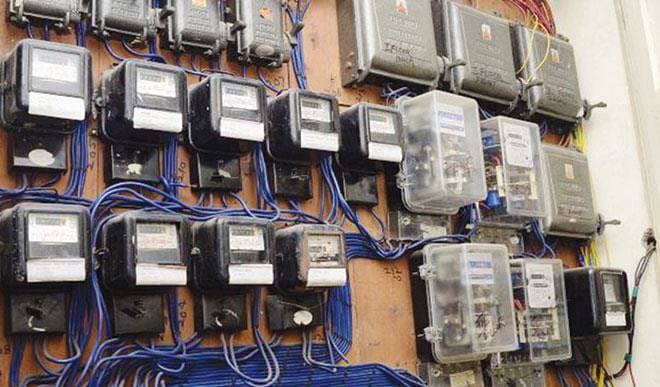
Nigeria's electricity metering coverage rose to 63.10% in August 2026 as distribution companies installed 141,746 meters during the month, but about 4.7 million active customers remain without meters, according to the Nigerian Electricity Regulatory Commission.
The commission's latest factsheet, released on Wednesday, showed metered customers increased from 7.90 million in July to 8.05 million in August, while the total number of active customers rose from 12.67 million to 12.75 million.
The meter gap in numbers
The figures mean 8,045,565 of 12,749,789 active customers were metered in August, up from 7,903,819 of 12,671,795 in July. That left 4,704,224 active customers unmetered at the end of the month, a national metering rate of 63.10%, up from 62.37% the previous month.
NERC defines active customers as those who vended or were billed at least once within a 12-month period. The proportion of registered customers who are actually active matters because the metering rate is calculated against this group, which is smaller than the total registered population.
Why 4.7 million customers still lack meters
Metering is a chronic problem in Nigeria's electricity sector, and it cuts both ways. Without meters, customers are placed on estimated billing, which is widely perceived as inaccurate and unfair and is a major source of disputes between consumers and distribution companies. It also deprives utilities of accurate revenue and makes it hard to reduce commercial losses.
The obstacles to closing the gap are cost and financing. Meters are expensive, and with tariffs not fully cost-reflective, distribution companies have limited cash to fund mass metering. Several government-backed interventions have aimed to accelerate installation, including programmes that allow customers to acquire meters and recover the cost gradually, but the pace has consistently lagged the scale of the deficit.
What it means for tariffs and trust
Metering is closely tied to the public's willingness to pay for electricity. When customers receive bills that bear little relation to their actual consumption, trust erodes and resistance to tariff adjustments grows. Closing the metering gap is therefore not just a technical fix; it is a precondition for the financial sustainability of the power sector and for any move towards cost-reflective tariffs.
The recent contraction in the gap, from 38.6 percentage points below full coverage a year ago to under 37, shows progress. But at the current monthly installation rate of about 140,000 meters, eliminating the remaining 4.7 million shortfall would take years, even before accounting for new customers.
What to watch
Watch whether the monthly installation rate accelerates and whether the government introduces a new financing mechanism to fund metering at scale. The more telling indicator will be the trend in the unmetered absolute number, since a rising total customer base can offset faster installations and leave the gap stubbornly wide.
Up next
FG Approves New Eastern and Western Electricity Grids to Curb Collapses
President Bola Tinubu has approved the start of a process to build new eastern and western electricity transmission grids, the Minister of Power said, though the procurement stage has only just begun and no cost or capacity figures have been disclosed.
More in Business
See all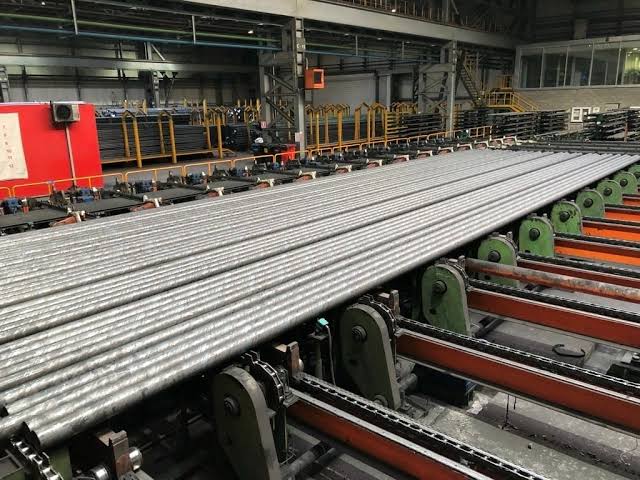
Tenaris Invests $10 Million to Upgrade Onne Thermal Insulation Plant
Tenaris invested about $10 million to refurbish a five-layer thermal insulation line at its Onne plant in Rivers State, making it the only such facility in sub-Saharan Africa, after completing a coating campaign for the Bonga North deepwater project.
Report Finds $209 Billion Funding Gap for Black-Owned African Businesses
A report by British International Investment and Swedfund estimates a $209 billion financing gap facing Black-owned and Black-led businesses across five sub-Saharan African markets, with Nigeria alone accounting for $131 billion of the shortfall.
Kenya Targets April 2027 Exit From FATF Grey List After Clearing 19 of 21 Actions
Kenya's Financial Reporting Centre told a parliamentary committee that the country has met 19 of the 21 actions required to leave the global anti-money laundering grey list, but the final assessment will depend on proving the measures work in practice.
About the author
Amina Suleiman
Finance Correspondent
Amina Suleiman writes for BusinessPress.