FG Approves New Eastern and Western Electricity Grids to Curb Collapses
President Bola Tinubu has approved the start of a process to build new eastern and western electricity transmission grids, the Minister of Power said, though the procurement stage has only just begun and no cost or capacity figures have been disclosed.
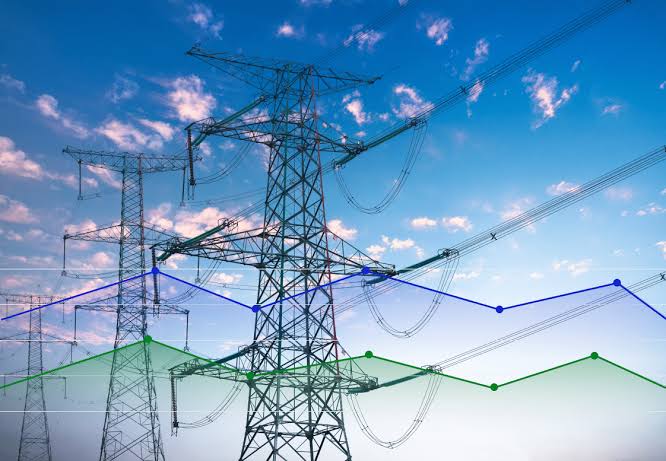
President Bola Tinubu has approved the commencement of a process to build new eastern and western electricity transmission grids, the Minister of Power, Joseph Tegbe, said, as part of efforts to address Nigeria's recurring national grid collapses.
Tegbe disclosed the approval at an energy conference in Lagos, saying the government was preparing to begin the procurement process and that Nigerians could begin to see the benefits within two to three years.
What the president approved
The announcement is an approval to proceed with the process, not a signed construction contract. The government is at the procurement stage, and the minister did not disclose detailed technical specifications, proposed capacities or the total cost of building the two grids.
That places the projects firmly in the preparatory phase. In Nigeria's power sector, the gap between an announced project and one that is financed, contracted and energised has historically been wide, which makes the disclosure an expression of intent rather than a guarantee of delivery.
The grid-collapse problem
Nigeria's national grid has suffered repeated collapses and disturbances, each plunging parts of the country into darkness and raising questions about the reliability of a system that is central to economic activity. The collapses stem from a combination of ageing infrastructure, insufficient generation headroom, weak transmission capacity and inadequate system protection.
The proposed eastern and western grids are intended to reduce the vulnerability of the national transmission network to failure by adding capacity and redundancy. A more distributed and robust transmission architecture means a fault in one area is less likely to cascade across the entire system.
Why transmission is the bottleneck
Nigeria's power problem is sometimes described as a generation problem, but transmission is at least as significant. Even where generation capacity exists, the grid's ability to evacuate and move that power to where it is needed is constrained. Insufficient transmission capacity also holds back private investment in generation, because investors need assurance that their output can be delivered to customers.
Addressing transmission bottlenecks is therefore a prerequisite for attracting investment into the sector and for improving the reliability of supply to industry and households. For businesses, power reliability is a direct cost: unreliable supply forces firms to run generators, raising their operating expenses and reducing competitiveness.
What to watch
Watch for the publication of detailed project specifications, procurement timelines and financing arrangements. The more meaningful indicators will be the identification of funding sources and the award of construction contracts. Until those exist, the eastern and western grids remain a plan rather than a remedy for the collapses that continue to disrupt Nigeria's economy.
Up next
Tenaris Invests $10 Million to Upgrade Onne Thermal Insulation Plant
Tenaris invested about $10 million to refurbish a five-layer thermal insulation line at its Onne plant in Rivers State, making it the only such facility in sub-Saharan Africa, after completing a coating campaign for the Bonga North deepwater project.
More in Business
See all
Nollywood Data Void Leaves Investors in N2.7 Trillion Sector Flying Blind
Nigeria's film industry contributed about N2.7 trillion to GDP in 2025, but the absence of auditable records on production costs, revenue and rights ownership makes it hard for investors to judge the returns on individual films, a BusinessDay investigation found.
Report Finds $209 Billion Funding Gap for Black-Owned African Businesses
A report by British International Investment and Swedfund estimates a $209 billion financing gap facing Black-owned and Black-led businesses across five sub-Saharan African markets, with Nigeria alone accounting for $131 billion of the shortfall.
Kenya Targets April 2027 Exit From FATF Grey List After Clearing 19 of 21 Actions
Kenya's Financial Reporting Centre told a parliamentary committee that the country has met 19 of the 21 actions required to leave the global anti-money laundering grey list, but the final assessment will depend on proving the measures work in practice.
About the author
Amaka Obi
Senior Business Reporter
Amaka Obi writes for BusinessPress.