Kenya Targets April 2027 Exit From FATF Grey List After Clearing 19 of 21 Actions
Kenya's Financial Reporting Centre told a parliamentary committee that the country has met 19 of the 21 actions required to leave the global anti-money laundering grey list, but the final assessment will depend on proving the measures work in practice.
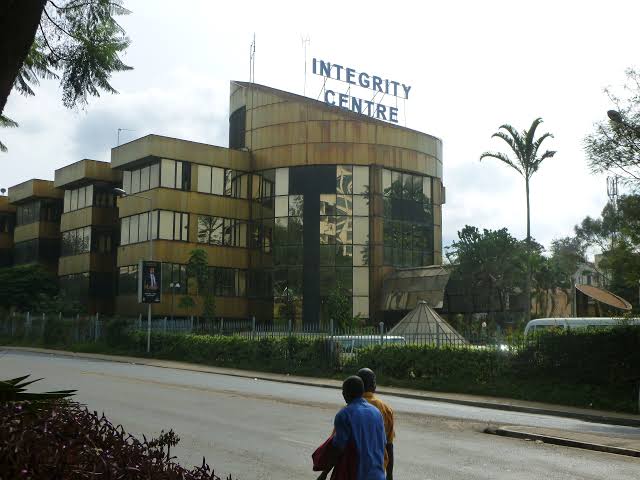
Kenya has addressed 19 of the 21 actions required to exit the global anti-money laundering grey list and is targeting a departure by April 2027, the Financial Reporting Centre told a parliamentary committee on Tuesday, October 13, 2026.
The centre's Director-General, Naphtaly Kipchirchir Rono, said Kenya had completed six action items in the preceding two and a half months, bringing the total to 19 of 21.
A long road from February 2024
Kenya was placed on the Financial Action Task Force grey list in February 2024 after FATF found insufficient progress on weaknesses identified in its 2022 mutual evaluation. Grey-listing means a country is under increased monitoring; it is not a blacklisting, but it carries real costs.
The FATF action plan for Kenya is broad. It requires improvements in risk-based supervision of financial and non-financial institutions, better understanding and reporting of suspicious transactions, designation of an authority to regulate trusts and collect beneficial ownership information, more money-laundering investigations and prosecutions, and revisions to the framework for regulating non-profit organisations.
What is left to do
Rono said Kenya was optimistic about closing the two remaining actions and is in a strong position to leave the grey list. But he acknowledged, as local media reported, that passing laws will not settle the final assessment.
That is the crux of the FATF process. The task force evaluates effectiveness, not just whether rules exist on paper. Kenya must demonstrate that its supervisory agencies are actually applying the rules, that suspicious transaction reports are being filed and acted upon, and that prosecutions are producing convictions. The April 2027 target depends on proving implementation, not just enactment.
What grey-listing costs, and what exit is worth
For Kenyan businesses, grey-listing raises the cost and complexity of cross-border transactions. Foreign banks apply enhanced due diligence to payments involving a grey-listed jurisdiction, which slows trade finance, remittances and correspondent banking relationships. International investors also price the added compliance risk into their decisions.
Exit would remove those frictions. It would improve Kenya's standing with correspondent banks, make it easier for Kenyan firms to access international capital, and reduce the reputational risk that has weighed on the country's ambitions as a regional financial hub, particularly its large fintech and mobile money sector.
What to watch
Watch Kenya's progress in the two outstanding action items and the results of the FATF's next review. The more telling test will be the quality of enforcement over the coming year: rising numbers of investigations, prosecutions and beneficial ownership disclosures would show that the reforms are biting. If the remaining actions are closed but enforcement lags, the grey-listing risk could persist regardless of the legislative record.
Up next
Gabon Raises $580 Million in 8-Year Eurobond as Orders Near $1 Billion
Gabon sold $580 million in eight-year Eurobonds at a 9.375% coupon, attracting an order book of nearly $1 billion and a risk premium about 50 basis points below its July sale, even as the oil-dependent state remains heavily indebted.
More in Business
See all
NERC Metering Rate Rises to 63.1% but 4.7 Million Customers Remain Unmetered
Nigeria's electricity metering coverage reached 63.10% in August 2026 as distribution companies installed more than 141,000 meters, but about 4.7 million active customers still lack meters, leaving them exposed to estimated billing.

FG Approves New Eastern and Western Electricity Grids to Curb Collapses
President Bola Tinubu has approved the start of a process to build new eastern and western electricity transmission grids, the Minister of Power said, though the procurement stage has only just begun and no cost or capacity figures have been disclosed.

Tenaris Invests $10 Million to Upgrade Onne Thermal Insulation Plant
Tenaris invested about $10 million to refurbish a five-layer thermal insulation line at its Onne plant in Rivers State, making it the only such facility in sub-Saharan Africa, after completing a coating campaign for the Bonga North deepwater project.
About the author
Abiodun Abdullahi
Author / Business and Markets Writer
Abiodun Abdullahi writes for BusinessPress.
More by Abiodun Abdullahi