Report Finds $209 Billion Funding Gap for Black-Owned African Businesses
A report by British International Investment and Swedfund estimates a $209 billion financing gap facing Black-owned and Black-led businesses across five sub-Saharan African markets, with Nigeria alone accounting for $131 billion of the shortfall.
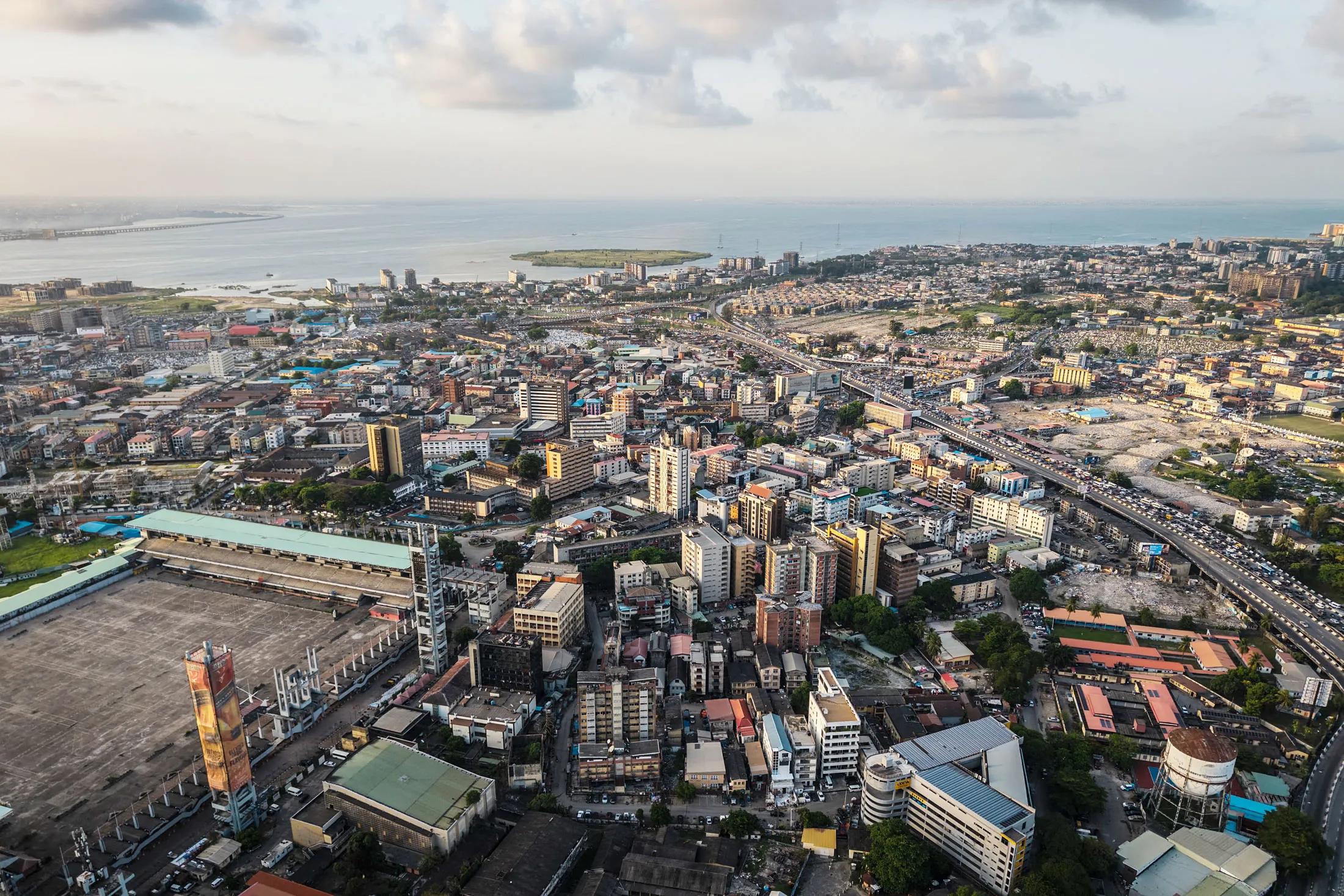
Black-owned and Black-led businesses across five major sub-Saharan African markets face a combined financing gap of $209 billion, according to a new report by British International Investment and Swedfund that examines how investment capital reaches these companies.
The report, titled Understanding the investment gaps in Black-owned and -led businesses in sub-Saharan Africa, was launched on October 13, 2026, and covers South Africa, Nigeria, Kenya, Côte d'Ivoire and Senegal.
Where the gap is largest
Nigeria accounts for the single largest shortfall at $131 billion, followed by South Africa at $45 billion and Kenya at $23 billion. Senegal and Côte d'Ivoire have smaller gaps of $5.7 billion and $4.6 billion respectively. Across the five countries, the gap facing these businesses is roughly four times larger than that faced by enterprises outside the category.
The report estimates that across sub-Saharan Africa as a whole, the financing gap for Black-owned and Black-led businesses reaches $1.842 trillion, underscoring the scale of the continent-wide challenge.
Why capital is not reaching these businesses
The research, conducted by Open Capital Advisors, identifies several barriers. These include ownership structures that do not match the expectations of institutional investors, limited access to investor networks, and potential bias among investment decision-makers. Those factors combine to exclude many capable businesses from the pipelines that fund managers draw on when deploying capital.
The result is a market failure with economic consequences. Businesses that cannot access growth capital cannot scale, hire at scale or move into capital-intensive industries. The shortfall is not evidence that these firms lack potential; it is evidence that the machinery for allocating capital is not reaching them.
Chris Chijiutomi, BII's managing director and head of Africa, framed the issue in terms of economic inclusion, noting that Black-owned and Black-led businesses are a driving force in African economies yet continue to face significant barriers to capital.
What the report recommends
The report sets out practical measures: developing stronger pipelines of investment-ready businesses, increasing the participation of Black professionals in capital allocation, and building closer partnerships with local financial institutions and investment managers.
The emphasis on pipeline building is significant. A funding gap is not resolved simply by making more capital available; there must be businesses that meet the standards of institutional investors, and intermediaries able to find and support them. Strengthening the ecosystem around capital allocation is as important as the capital itself.
The report forms part of BII's Black Ownership and Leadership for Development initiative, established in 2022 to increase investment in these businesses across sub-Saharan Africa. Swedfund, Sweden's development finance institution, co-commissioned the work.
What to watch
Watch whether development finance institutions follow the diagnosis with measurable changes in deployment. The report's value will be judged by whether the capital pipelines it describes actually widen over the next few years, and whether Nigeria, with by far the largest gap, sees a meaningful increase in financing for the businesses the research identifies.
Up next
MAX Raises Series B3 to $29 Million as Nithio Backs EV Financing
Nigerian electric mobility company MAX has extended its Series B3 round to $29 million after an investment from US climate fintech Nithio, funding expansion of electric vehicle financing and battery swapping across West and Central Africa.
More in Business
See all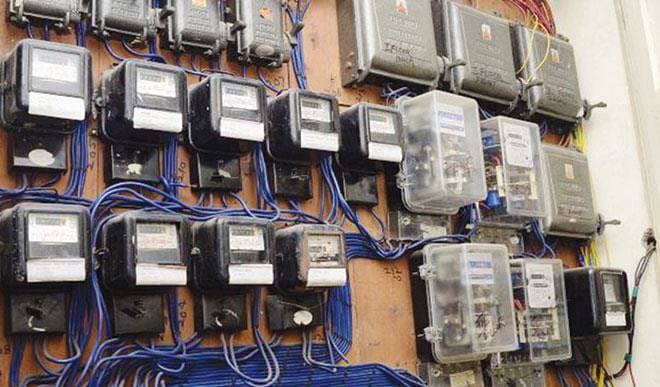
NERC Metering Rate Rises to 63.1% but 4.7 Million Customers Remain Unmetered
Nigeria's electricity metering coverage reached 63.10% in August 2026 as distribution companies installed more than 141,000 meters, but about 4.7 million active customers still lack meters, leaving them exposed to estimated billing.
FG Approves New Eastern and Western Electricity Grids to Curb Collapses
President Bola Tinubu has approved the start of a process to build new eastern and western electricity transmission grids, the Minister of Power said, though the procurement stage has only just begun and no cost or capacity figures have been disclosed.
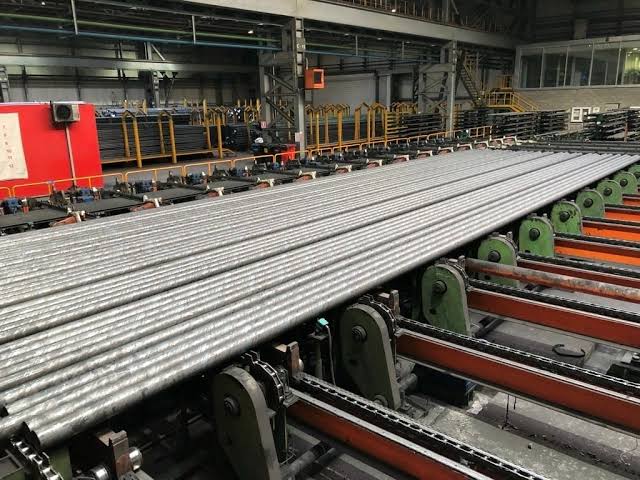
Tenaris Invests $10 Million to Upgrade Onne Thermal Insulation Plant
Tenaris invested about $10 million to refurbish a five-layer thermal insulation line at its Onne plant in Rivers State, making it the only such facility in sub-Saharan Africa, after completing a coating campaign for the Bonga North deepwater project.
About the author
Amaka Obi
Senior Business Reporter
Amaka Obi writes for BusinessPress.