
Nigerian Stocks Open November With Cautious Pullback
The NGX All-Share Index slipped 0.02 percent in November first session as heavyweight profit-taking offset gains after October record month.
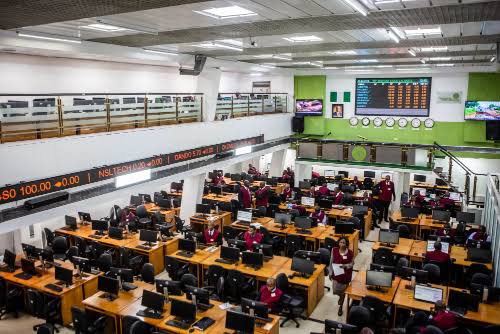
Nigeria's equity market opened November on a cautious note, with the All-Share Index dipping marginally to 254,245.21 points on the month's first session as heavyweight selling offset gains elsewhere — a muted start that contrasts sharply with the record October the market just completed, and one that will test whether the exchange's historic run can extend into 2026's final quarter without a consolidation phase.
The market's opening session saw the benchmark index edge down 0.02 percent from Friday's 254,299.49 points close, cutting total market capitalisation back to about N165.08 trillion, Proshare reported. Market breadth was negative — 23 advancing stocks against 44 decliners — while insurance-sector names and heavyweight banks gave up ground, though consumer goods added support. Consolidated Hallmark Holdings led gainers at 10 percent, while Champion Breweries and Sunu Assurances posted the steepest declines, Proshare reported.
The composition of the pullback
What weighed on the index was the same force that powered it: heavyweight concentration. The October record month — N2.01 trillion added to market capitalisation and the All-Share Index crossing the 250,000-point threshold for the first time — left the market technically extended, and the profit-taking among industrial goods names and financial stocks that followed reflects year-end positioning rather than deteriorating fundamentals. Sector performance in October told the story: industrial goods surged by double digits while banking names, despite bank earnings surges, declined as investors rotated among sectors.
Beneath the index's flat line, the market's internal economy remains selective. Slower activity levels reflect investors awaiting the fourth-quarter catalysts: the run of remaining nine-month earnings, dividend decisions ahead of the year-end and the spending signals in the federal budget calendar. In a market where hundreds of billions of naira in pension inflows now anchor demand, moments of heavy-weight consolidation often become accumulation opportunities for institutional buyers — the pattern that characterised each of 2026's pullbacks.
The month's data traders will watch
November's trading will be shaped by a data calendar that tests the market's macro narrative. Inflation prints for October and November will confirm whether the disinflation trend extended through the recent price pressures; the Monetary Policy Committee's December meeting will hand down the year's final policy rate read; and corporate results — the last tranche of nine-month reports and early full-year outlook statements — will test the profit-delivery that underwrote the rally. Starters include banking sector results, MTN's investor communications and the cement groups' pricing decisions.
The exchange's operators have also kept issuance activity flowing — the Nigerian market's 2026 pipeline of bond listings, primary offers and rights issues from the recapitalised banks to the industrials — and each new supply of paper absorbs cash from the equities bid while deepening the market's investable universe. That tension between supply and liquidity is the structural trade of the current market cycle.
Foreign flows and the broader currency context
The currency market's stability is itself a market-supporting variable. With official reserves at record levels and the naira consolidating around the N1,350 band, the naira-driven uncertainty that would otherwise discount equities is contained, and the currency environment removes the largest single deterrent that kept global investors on the sidelines through the devaluation years. Nigeria's return to the indexes of global portfolios has been translating into foreign flow participation through 2026 — flows that, market data showed, have risen in significance in the exchange's turnover composition as portfolio investors position at what they price as a structurally improving risk environment.
Interest-rate instruments remain equities' competition, however. Money-market yields at their historic highs still attract cash away from the equity market's risk — and while rate cuts do remain the eventual policy trajectory, the current yield structure means investors' cash choices remain tilted to short-term instruments until the evidence of disinflation makes the case for duration. Equity performance during November will thus remain benchmarked to how quickly the inflation prints and the MPC's signal prove the case.
What November's session means
A modest pullback in the market's opening session is an unremarkable event by the standards of the current cycle — the Nigerian market's 2026 run has included multiple multi-day retreats, each of which has been bought by institutional flows and converted into a new consolidation level. The critical questions for the month are whether the heavyweight cohort's consolidation ends with prices holding above their levels — maintaining the confidence of the pension allocators whose bids now underwrite market liquidity — and whether the fourth-quarter earnings season delivers the breadth improvement that market strategists have identified as the pre-conditions for the next stage of index growth.
For the market's structure of investors, November's session carries signals that read both ways: absolute index levels remain historically strong, and the market's capitalisation at record levels creates the confidence for further primary market issuance — but the concentration of gains in a heavy few names remains both the strength and the fragility of the rally. The November data, earnings and policy calendar offers the market multiple opportunities to resolve the tension — and history through 2026 suggests the market's recovery experience, rather than one session's tape, is the better guide to how the final quarter will price.
Up next
Nigeria FX Defences Firm At 55bn Reserves And 115 Oil
Nigeria holds about 55 billion dollars in gross reserves with a record 46 billion net position as Bonny Light trades near 115 dollars per barrel.
More in Markets
See allMulti-Trex Shares Gain 17.95% After NGX Ends 8-Year Suspension
Multi-Trex Integrated Foods shares have risen 17.95% since the NGX lifted an eight-year trading suspension, even as the cocoa processor remains loss-making.
NGX Sheds N144.54bn as Profit-Taking Persists
The NGX All-Share Index fell 0.09% to 247,513.63 as profit-taking in heavyweight stocks wiped N144.54 billion off market capitalisation.

China Halts Yuan Rally As Star 50 Index Slumps
China tightened FX rules to halt yuan strength while fresh market tools failed to stop equity declines, with the Star 50 Index down over four percent.
About the author
Adaeze Okonkwo
Markets Editor
Adaeze Okonkwo writes for BusinessPress.
More by Adaeze Okonkwo

