Seventeen Firms Pay N1.13 Trillion in Dividends in First Half of 2026
Seventeen companies listed on the Nigerian Exchange have paid or proposed dividends totalling N1.13 trillion in the first half of 2026, underscoring the cash return profile of Nigeria's largest listed companies.
Seventeen companies listed on the Nigerian Exchange (NGX) have paid or proposed dividends totalling N1.13 trillion in the first half of 2026, according to a BusinessDay compilation, a figure that underscores how concentrated cash returns remain among the market's largest issuers.
The payout, drawn from declarations linked to the 2025 financial year and interim distributions made during the period, arrived as the exchange completed a stretch of recapitalisation, record profit announcements and a broader rally that carried market capitalisation past N160 trillion.
Who pays, and who does not
Dividend payers on the NGX have historically been dominated by banks, brewers, cement and consumer goods groups, and the first half of 2026 was no exception: lenders that completed the Central Bank's recapitalisation exercise returned to the market with distributions designed to retain shareholder loyalty after raising fresh equity, while industrial and consumer companies with strong naira earnings continued their established payout patterns.
For the rest of the market, the picture is thinner. A large share of listed firms either retained earnings for expansion, carried forward losses or paid token amounts, leaving a small group of companies responsible for the bulk of investor income.
Why dividends matter more in a high-rate economy
Nigeria's monetary policy environment has made bank treasury rates and government securities a serious competitor to equity income, which means listed companies must offer credible, well-covered payouts to hold the attention of domestic investors. The N1.13 trillion total is meaningful against a market where many retail participants entered during the recapitalisation public offers and the Dangote Refinery offering, and where expectations of returns have been shaped by double-digit yields on risk-free instruments.
Coverage ratios, rather than headline amounts, will decide whether the payments are durable. Companies funding dividends from borrowing, or paying out while carrying heavy working capital needs, risk constraining the very investment that supports future earnings, particularly with borrowing costs still elevated.
What it means for investors
Shareholders who held through the record dates received income on top of capital gains from a market that has more than tripled in value over three years, a combination that the exchange's management has repeatedly cited in its push to deepen retail participation. With fewer than five million investors on a bourse serving a population above 220 million, sustained dividend performance remains one of the most direct ways to turn new entrants into long-term holders.
The second half
The balance of 2026 will test whether the first-half momentum holds. Interim dividends from second-quarter performers, full-year payouts from companies with December year-ends and any special distributions linked to asset sales will determine whether the annual total can build on the N1.13 trillion already committed, or whether higher costs and tax positions trim the flow.
Up next
Cardoso Takes Cross-Border Payments Push With China to Beijing
Central Bank Governor Olayemi Cardoso has met People's Bank of China chief Pan Gongsheng in Bangkok and plans a Beijing visit to advance cross-border payments, settlement arrangements, financial technology and trade finance between both countries.
More in Markets
See all
NGX Group Chairman Calls for 10 Million Investors in $1 Trillion Drive
NGX Group Chairman Umaru Kwairanga says the capital market is positioned to help drive Nigeria's $1 trillion economy target, with market capitalisation up more than threefold and a call to double the investor base to 10 million.
NGX Ends Week 0.33% Lower as Banking Losses Offset Oil and Gas Gains
Nigerian equities fell 0.33% for the week to 247,539.73 points as the banking index shed 3.15%, while oil and gas stocks rose 3.13% and market breadth stayed positive.
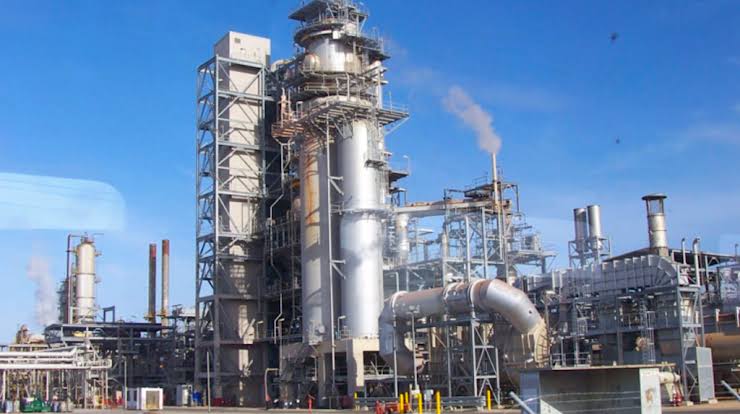
Renaissance Capital Values Dangote Refinery at N700.41, 33% Above IPO Price
Renaissance Capital Africa has raised its Dangote Petroleum Refinery valuation to N700.41 per share, a 33.4% premium to the N525 offer price, citing stronger refining margins.
About the author
Adaeze Okonkwo
Markets Editor
Adaeze Okonkwo writes for BusinessPress.
More by Adaeze Okonkwo