
NNPC Cuts Petrol Pump Price as Downstream Price War Intensifies
NNPC Limited has cut petrol pump prices at its retail stations, joining a downstream price war that is easing costs for motorists but squeezing marketers.
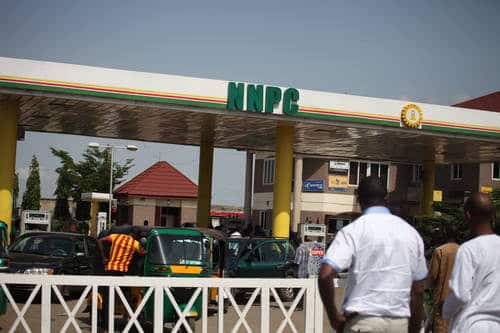
The Nigerian National Petroleum Company Limited has reduced petrol pump prices at its retail stations, joining a growing price war in the downstream sector that is bringing relief to motorists but squeezing marketers' margins.
The reduction follows a series of moving parts in the fuel market: the Dangote refinery's growing output, the federal government's 30-day petrol discount at NNPC outlets, and competitive pressure among marketers. The lower prices mark a reversal from the sharp increases that followed the removal of the petrol subsidy, when pump prices more than tripled and fuelled a cost-of-living crisis.
Why prices are falling
The most important factor is supply. The Dangote refinery's ramp-up has increased the volume of domestically refined petrol, reducing the country's reliance on imports and the foreign exchange and logistics costs that come with them. When a giant new supplier enters a market, prices tend to fall — especially when the incumbent, NNPC, responds competitively.
The government has also intervened directly. Its 30-day discount at NNPC stations is designed to ease the burden on consumers during a period of high living costs while the broader market adjusts. The discount is temporary, which raises questions about what happens when it lapses.
Cheaper fuel is welcome, but a subsidy by another name is still a subsidy. The test is whether the market can deliver lower prices without the government holding them down.
The squeeze on marketers
Falling prices are a mixed blessing for independent marketers. Lower prices stimulate demand, but if they fall faster than costs, margins compress. Marketers who bought inventory at higher prices can be forced to sell at a loss. Some have called for the discount to be extended or for measures to protect their businesses, illustrating the tension between consumer relief and commercial viability.
The price war also invites scrutiny of whether all players are competing on equal terms. NNPC is both a dominant supplier and a retailer, and its pricing decisions carry outsized influence. Regulators must ensure that the market remains competitive and that no participant is squeezed out unfairly.
The longer view
Nigeria's downstream sector is in the middle of a fundamental transition. For decades it depended on imported fuel and an expensive subsidy. The combination of domestic refining and market-based pricing could, over time, produce a more efficient and affordable system. But the transition is bumpy, and the politics of fuel prices are unforgiving.
For now, motorists benefit from cheaper petrol. The challenge for policymakers is to lock in the gains by sustaining domestic refining capacity, keeping the market competitive and avoiding a return to the fiscal burden of an open-ended subsidy.
Up next
CBN Cuts Monetary Policy Rate to 23% in Its Largest-Ever Easing Move
The Central Bank of Nigeria lowered its benchmark interest rate by 350 basis points on September 22, 2026, the steepest cut on record, as inflation eased for a third straight month and reserves strengthened.
More in Corporate
See all
Dangote Refinery Posts N6.29 Trillion Profit in First Nine Months of 2026
Dangote Petroleum Refinery reported a profit of about N6.29 trillion (about $4.73 billion) for the first nine months of 2026, cementing its turnaround.
Shell Sells Nigeria Gas Distribution Business to Vaaris Energy
Shell has agreed to sell Shell Nigeria Gas Group to Vaaris Energy Limited, the latest step in the oil major's restructuring of its Nigerian portfolio.

Airtel Money IPO allocates 270 million shares ahead of London debut
Conditional trading began on 9 October, with full admission expected on 14 October as Airtel Africa retains its strategic holding.
About the author
Ngozi Eze
Companies Reporter
Ngozi Eze writes for BusinessPress.


