
Shell Sells Nigeria Gas Distribution Business to Vaaris Energy
Shell has agreed to sell Shell Nigeria Gas Group to Vaaris Energy Limited, the latest step in the oil major's restructuring of its Nigerian portfolio.
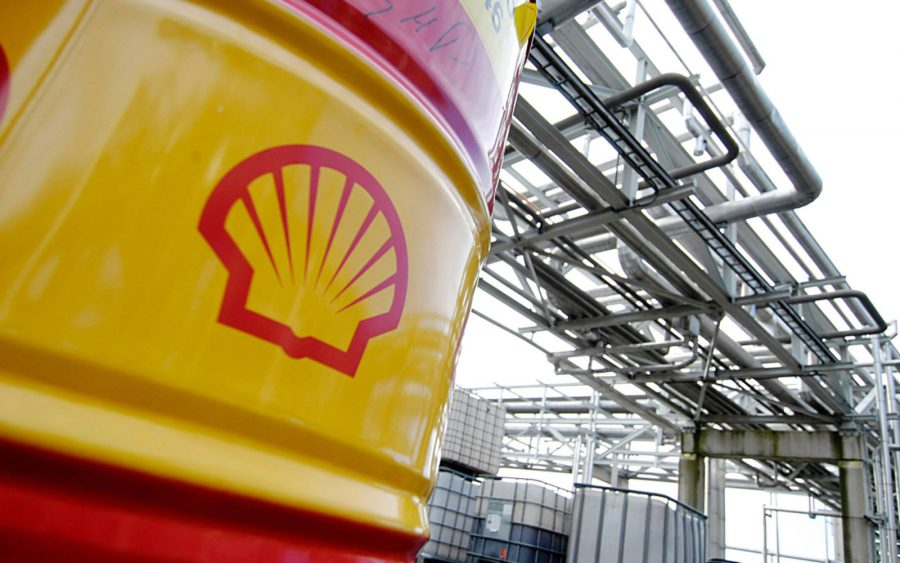
Shell has agreed to sell its domestic gas distribution business in Nigeria to Vaaris Energy Limited, the latest step in the oil major's shift away from onshore and midstream assets in the country as it refocuses on deepwater and integrated gas projects.
The transaction covers Shell Nigeria Gas Group, which has supplied natural gas to industrial customers across Nigeria for more than 25 years and built a network that supports manufacturers dependent on reliable power. The sale is subject to regulatory approvals and other conditions. Shell's country chair in Nigeria, Elohor Aiboni, has framed the divestment as part of a portfolio review rather than a retreat from the country.
A reshaping portfolio
Shell has been steadily restructuring its Nigerian holdings. It has exited onshore oil production, selling its subsidiary to Renaissance Africa Energy, and has focused its remaining investment on deepwater fields and the Nigeria Liquefied Natural Gas venture, where it remains a major shareholder. The gas distribution sale fits that pattern: it sheds a business with regulated returns and local distribution risk while retaining exposure to the higher-margin upstream and export segments.
For Vaaris Energy, the acquisition offers a foothold in a market with structural growth potential. Natural gas is central to Nigeria's plan to industrialise and to displace diesel and petrol in power generation and transport. The government's "Decade of Gas" agenda envisions gas as the fuel of the transition, and companies that control distribution infrastructure are positioned to benefit.
Nigeria has more gas than it can currently monetise. The question is who builds the pipelines, plants and customer relationships to turn reserves into reliable energy.
Opportunity and risk
Domestic gas distribution in Nigeria is both promising and difficult. Demand is growing, particularly from industrial clusters and power plants, and gas is cheaper and cleaner than the diesel that many factories rely on. But the business requires heavy upfront investment in pipelines and metering, careful management of currency risk, and navigation of a regulatory and pricing environment that has historically been unpredictable.
Gas pricing has been a recurring flashpoint. Producers want prices that justify investment; consumers and manufacturers want affordable energy. The government has introduced reforms aimed at liberalising the market, but implementation remains uneven. A new owner will need to convince industrial customers to switch and to secure supply on terms that make the network viable.
What it signals
The divestment also reflects a broader trend: international oil companies are paring back their Nigerian onshore and domestic operations while indigenous and independent companies step in. That transfer of assets can be healthy if the new owners invest and operate responsibly, but it places a premium on strong regulation to ensure that environmental and community obligations are met.
For Shell, the sale advances a global strategy of focusing on fewer, more profitable assets. For Nigeria, it is another test of whether local capital and management can extract value from assets that global majors no longer consider core.
Up next
NAICOM Begins Final Verification of Insurers Under Recapitalisation Programme
The National Insurance Commission has begun final verification of insurers' compliance with higher capital requirements, with consolidation expected to follow.
More in Corporate
See all
Dangote Refinery Posts N6.29 Trillion Profit in First Nine Months of 2026
Dangote Petroleum Refinery reported a profit of about N6.29 trillion (about $4.73 billion) for the first nine months of 2026, cementing its turnaround.
NNPC Cuts Petrol Pump Price as Downstream Price War Intensifies
NNPC Limited has cut petrol pump prices at its retail stations, joining a downstream price war that is easing costs for motorists but squeezing marketers.

Airtel Money IPO allocates 270 million shares ahead of London debut
Conditional trading began on 9 October, with full admission expected on 14 October as Airtel Africa retains its strategic holding.
About the author
Ngozi Eze
Companies Reporter
Ngozi Eze writes for BusinessPress.


