
Dangote Refinery Posts N6.29 Trillion Profit in First Nine Months of 2026
Dangote Petroleum Refinery reported a profit of about N6.29 trillion (about $4.73 billion) for the first nine months of 2026, cementing its turnaround.
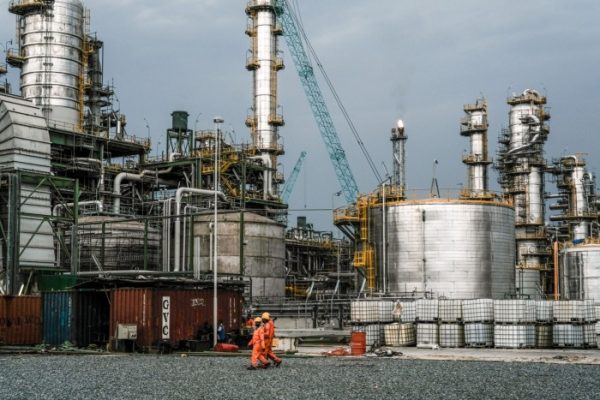
Dangote Petroleum Refinery reported a profit of about N6.29 trillion, equivalent to roughly $4.73 billion, for the first nine months of 2026, a result that cements the plant's transformation into one of the most profitable industrial enterprises in Africa and strengthens the case for its forthcoming listing.
The scale of the earnings underscores how quickly the refinery has moved from a project plagued by delays and cost overruns to a commercial juggernaut. At full capacity, it processes hundreds of thousands of barrels of crude a day and supplies a large share of Nigeria's refined fuel needs, displacing imports that once dominated the market.
From importer to exporter
Nigeria, despite being Africa's largest oil producer, historically imported most of its refined products because its state-owned refineries were dysfunctional. The Dangote refinery has changed that equation. It now produces petrol, diesel, jet fuel and other products, some of which are exported, generating foreign exchange and reducing the pressure on the naira.
The financial turnaround reflects favourable refining economics as well as operational improvements. Global refining margins have been volatile, but the refinery's scale and integration give it advantages in a market where smaller, less efficient plants struggle. Its ability to source crude domestically and sell into a large home market adds to its resilience.
Nine months of profit do not erase a decade of doubt. But they do show that the refinery can stand on its own as a business, not just a national symbol.
The IPO calculus
The profit makes the refinery's initial public offering more attractive to investors and supports the valuation that its owners are seeking. Alhaji Aliko Dangote has said he wants ordinary Nigerians to own a stake, and the company has marketed the offer widely, including to retail investors and diaspora communities. The deal has been extended to October 27 to accommodate demand.
Yet profitability brings its own scrutiny. Investors will want to understand the sustainability of the earnings, the refinery's debt position and its exposure to crude price swings and regulatory decisions. The fuel market in Nigeria remains politically charged, with disputes over pricing and import licences that can affect margins at short notice.
The wider impact
Beyond its own balance sheet, the refinery's success has implications for the Nigerian economy. Reliable domestic refining reduces the foreign exchange spent on imports, can lower pump prices over time and supports the government's efforts to stabilise the currency. It also creates a template for large-scale industrial investment that other sectors might follow.
The coming months will test whether the refinery can sustain its earnings through the listing and beyond. If it can, it will have done more than make money — it will have changed the economics of Nigeria's oil sector.
Up next
NNPC Cuts Petrol Pump Price as Downstream Price War Intensifies
NNPC Limited has cut petrol pump prices at its retail stations, joining a downstream price war that is easing costs for motorists but squeezing marketers.
More in Corporate
See all
Shell Sells Nigeria Gas Distribution Business to Vaaris Energy
Shell has agreed to sell Shell Nigeria Gas Group to Vaaris Energy Limited, the latest step in the oil major's restructuring of its Nigerian portfolio.

Airtel Money IPO allocates 270 million shares ahead of London debut
Conditional trading began on 9 October, with full admission expected on 14 October as Airtel Africa retains its strategic holding.
Refinery expansion lifts local fuel-processing capacity
The ramp-up is reshaping the import bill and the economics of downstream distribution.
About the author
Ngozi Eze
Companies Reporter
Ngozi Eze writes for BusinessPress.


