
Regulator Recovers 50 Fallow Oil Fields, Targets 500 Million Extra Barrels
Nigeria's upstream regulator has recovered about 50 dormant oil fields from non-performing operators as it enforces drill-or-drop rules to lift output.

Nigeria's upstream regulator has recovered about 50 dormant oil fields from operators that failed to develop them, part of an enforcement drive aimed at reviving production and adding an estimated 500 million barrels to the country's reserves.
The Nigerian Upstream Petroleum Regulatory Commission has been enforcing "drill or drop" provisions that require licence holders to develop their acreage or surrender it. After years in which many blocks were held speculatively without investment, the regulator is reallocating them to companies willing to drill.
The problem of idle assets
Nigeria has long struggled with the paradox of holding Africa's largest oil reserves while underproducing relative to its potential. A significant part of the problem is that many licences were awarded but never worked. Some holders lacked the capital or technical capacity to develop them; others sat on the assets in the hope of reselling them at a profit. The result was a large inventory of fallow fields and stagnant production.
The regulator's intervention targets that inefficiency. By revoking or recovering undeveloped assets and putting them back into play, it aims to bring new investment and fresh operators into the upstream sector. The recovered fields, if developed, could add meaningfully to national output and reserves.
Reserves under the ground generate no royalties. The regulator's job is to convert idle licences into production, and that means holding operators to their promises.
Raising output
The drive comes as Nigeria's oil production has shown signs of recovery. Output rose in September as security improved in producing regions and as investments in existing fields began to pay off. Higher production is critical to the government's fiscal position, because oil remains the largest source of foreign exchange and a major contributor to revenue.
But reviving fallow fields is not straightforward. Many need substantial capital, modern technology and clear fiscal terms to attract investors. Security remains a concern in parts of the Niger Delta and in frontier basins, and the global energy transition casts uncertainty over long-term demand for oil.
The stakes
For a government that has staked its credibility on economic reform, lifting oil output is essential. More production means more dollars, a stronger naira and greater fiscal room to invest in infrastructure and social programmes. It also reduces the country's vulnerability to oil price shocks by increasing the volume it can sell.
The recovery of 50 fields is a start, but the real test is whether they are developed quickly and productively. Nigeria has plenty of oil and gas; what it has often lacked is the discipline to ensure that the resources it licenses are actually brought to market.
Up next
Ethiopia Joins Dangote Refinery IPO in Pan-African Vote of Confidence
Ethiopia has joined the list of investors in Dangote Petroleum Refinery's initial public offering, broadening the deal's pan-African appeal.
More in Corporate
See all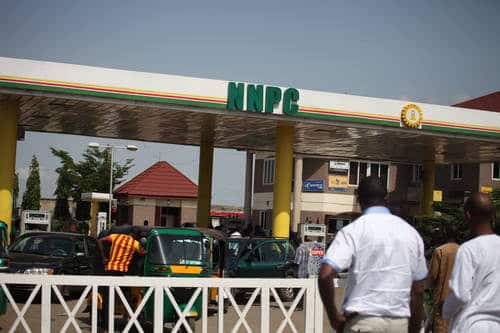
NNPC Cuts Petrol Pump Price as Downstream Price War Intensifies
NNPC Limited has cut petrol pump prices at its retail stations, joining a downstream price war that is easing costs for motorists but squeezing marketers.
Shell Sells Nigeria Gas Distribution Business to Vaaris Energy
Shell has agreed to sell Shell Nigeria Gas Group to Vaaris Energy Limited, the latest step in the oil major's restructuring of its Nigerian portfolio.

Airtel Money IPO allocates 270 million shares ahead of London debut
Conditional trading began on 9 October, with full admission expected on 14 October as Airtel Africa retains its strategic holding.
About the author
Ngozi Eze
Companies Reporter
Ngozi Eze writes for BusinessPress.


