Africa, Middle East Startups Raise $102m in Week 42, Led by Pluto Security
Startups across Africa, the Middle East and Israel raised a combined $101.9 million in week 42, led by a $42 million round for cybersecurity firm Pluto Security and $29 million for electric vehicle operator MAX.
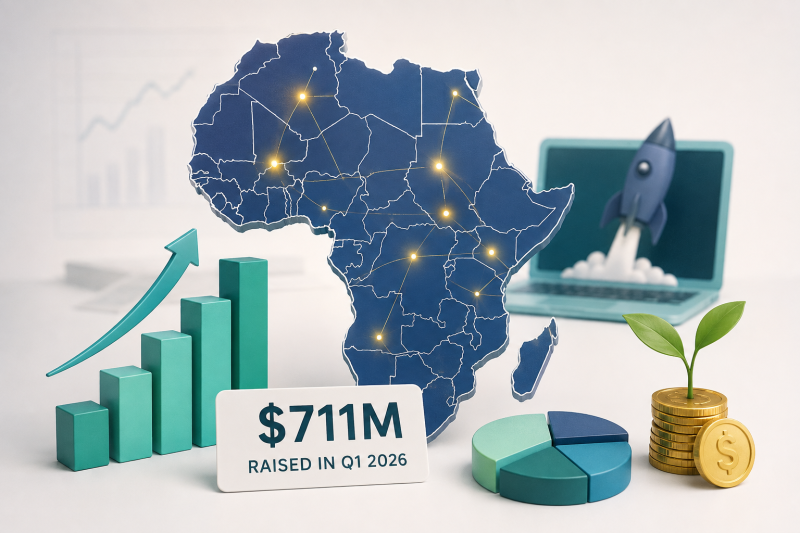
Startups across Africa, the Middle East and Israel raised a combined $101.9 million in week 42, according to Techloy's weekly funding tracker, keeping regional deal flow in nine-figure territory and putting cybersecurity and electric mobility at the top of the table.
The tally, published on October 16, covers announced venture rounds, grants and debt deals tracked between Monday and Sunday of the week, and has become a regular benchmark for founders and funds measuring momentum in the two regions.
Pluto leads, MAX follows
Egyptian-founded cybersecurity startup Pluto Security led the week with a $42 million raise, emerging from stealth with capital aimed at a problem created by the enterprise AI boom: employees deploying AI tools, extensions and agents faster than security teams can govern them. The company says roughly 60 per cent of the risks it detects across its customer base come from tools built by non-developers, with finance departments the biggest source, followed by marketing and legal.
Pluto, which began selling in April and reports more than $2 million in annual recurring revenue from over 30 enterprise customers including Oscar Health, Workato and Sixt, raised an $8.5 million seed led by TLV Partners and a $34 million Series A led by Jump Capital. Egypt's MAX, an electric vehicle fleet operator, followed with $29 million, underscoring the continued weight of cleantech and mobility financing in North Africa.
Context: fewer companies, bigger rounds
Weekly tallies sit against a year in which African venture funding is rising while the number of companies receiving it falls. Data from TechCabal Insights shows African startups secured $2.49 billion across 315 disclosed deals between January and September 2026, up 7.8 per cent year on year, with Nigeria the largest destination at $624 million.
The pattern suggests maturing investors concentrating capital in fewer, later-stage bets rather than spreading small sums across many early-stage startups. For founders, that means the bar for a round is higher; for the ecosystem, it means headline totals can improve even as the pipeline of funded companies narrows.
Why a nine-figure week matters
Late-year quarters typically see accelerated closing activity, and consistent nine-figure weeks signal that limited partners are still writing cheques into regional funds despite tighter global conditions. They also matter for talent and supplier ecosystems around the companies that raise, from engineering hubs to the operators of the electric fleets that absorbed a quarter of this week's capital.
What to watch
The coming weeks will show whether week 42 proves a spike or a trend. Key markers include whether African rounds keep pace with Middle Eastern deals, whether cybersecurity and AI infrastructure continue to dominate, and whether any of the region's larger growth-stage companies return to the market before year-end.
Up next
BGFI Holding's CFA80.56bn Share Offer Closes Oversubscribed
Gabonese banking group BGFI Holding says the second phase of its share offering has closed oversubscribed, aiming to raise CFA80.558 billion through the issue of 1,006,975 new shares priced at CFA80,000 each.
More in Technology
See all
Nigerian startup funding falls to $11.3 million after deal-heavy August
Nine companies disclosed funding in September, down from $364.1 million across 20 startups in the previous month.

NITDA sets up multi-agency group for national regulatory sandbox
The proposed framework would let companies test emerging products under supervision while regulators coordinate requirements across sectors.
FG Commissions First of 3,700 Rural Connectivity Towers in Abia
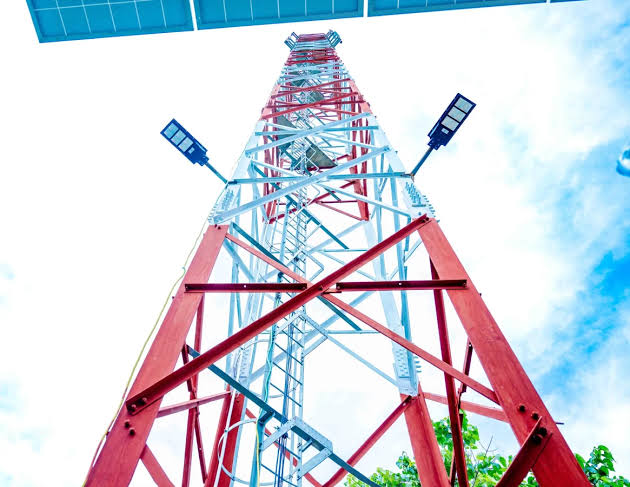
The Federal Government has commissioned the first site of the Nigeria Universal Communication Access Project in Bende, Abia State, kicking off a nationwide rollout of 3,700 towers intended to connect nearly 20 million unserved Nigerians.
About the author
Chinedu Nwosu
Technology Editor
Chinedu Nwosu writes for BusinessPress.
More by Chinedu Nwosu