CBK Signs MoU With Toronto Centre to Strengthen Supervisory Training
The Central Bank of Kenya has signed a memorandum of understanding with the Toronto Centre for Financial Supervision, signed in Bangkok on the sidelines of the IMF and World Bank annual meetings, to strengthen supervisory training.
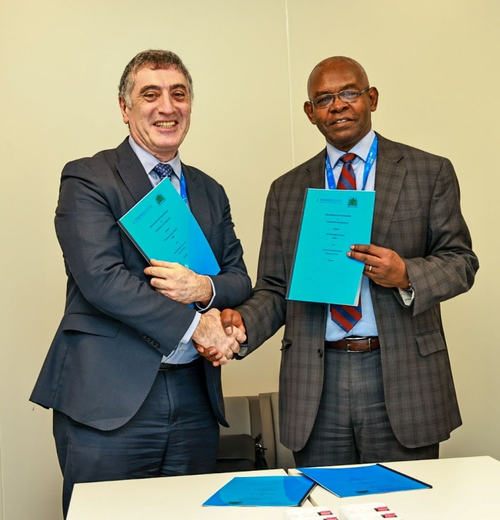
The Central Bank of Kenya (CBK) has signed a memorandum of understanding with the Toronto Centre for Financial Supervision, deepening a technical cooperation arrangement focused on building the capacity of financial sector supervisors in the East African economy.
The agreement was signed on October 16 on the sidelines of the 2026 Annual Meetings of the International Monetary Fund and World Bank in Bangkok by CBK Governor Kamau Thugge and the Toronto Centre's leadership, with the bank's training arm, the Central Bank of Kenya Institute of Monetary Studies, expected to play a role in implementation.
What the partnership covers
The Toronto Centre is a specialist organisation that works with central banks and supervisory agencies in emerging and developing economies, delivering training and advisory support on the supervision of banks, insurers and capital market intermediaries. Programmes of this kind typically span risk-based supervision, governance of supervisory functions, crisis preparedness and the technical analysis required to enforce rules consistently.
For Kenya, whose financial sector has consolidated rapidly and whose lenders operate across borders in the region, the quality of supervision is a systemic issue: gaps in the ability to monitor complex groups can leave domestic depositors and, by extension, the sovereign exposed.
Timing amid a busy policy calendar
The signing comes as the CBK balances several priorities. The central bank held its benchmark lending rate at 8.75 per cent at its most recent meeting, its fourth consecutive hold, while signalling confidence in the inflation outlook. Thugge has also used the Bangkok meetings to project growth close to 5 per cent this year and to hold financing talks with multilateral lenders including the African Development Bank and the World Bank.
Institutional capacity-building agreements rarely make headlines, but they are the sort of quiet infrastructure that ratings agencies and multilateral partners weigh when assessing the resilience of a financial system. They also signal to regional and international banks that the regulator intends to keep pace with the complexity of the institutions it oversees.
Implementation
The memorandum sets the framework rather than the timetable; the substance will be seen in the training curricula rolled out for examiners and supervisors, the participation of staff from the CBK's bank supervision department, and whether the collaboration extends to regional bodies overseeing Kenya's cross-border lenders. Follow-through on those details will determine whether this signing becomes a measurable upgrade in supervisory capability.
Up next
Africa, Middle East Startups Raise $102m in Week 42, Led by Pluto Security
Startups across Africa, the Middle East and Israel raised a combined $101.9 million in week 42, led by a $42 million round for cybersecurity firm Pluto Security and $29 million for electric vehicle operator MAX.
More in Finance
See all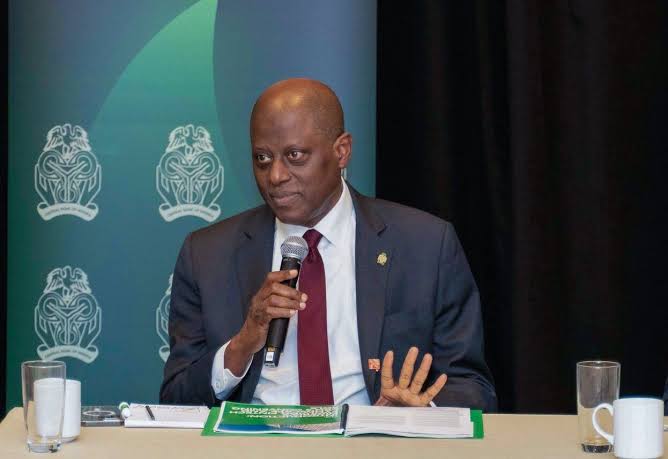
Cardoso Takes Cross-Border Payments Push With China to Beijing
Central Bank Governor Olayemi Cardoso has met People's Bank of China chief Pan Gongsheng in Bangkok and plans a Beijing visit to advance cross-border payments, settlement arrangements, financial technology and trade finance between both countries.

Ecobank Cuts SuperSavers Rates as MPR Reset Reaches Nigerian Savers
Ecobank Nigeria has cut interest rates on its SuperSavers product effective October 16, with reductions of up to 3.18 percentage points across four deposit tiers after the CBN's MPR reset to 23%.

Uganda Hikes Key Rate 225 Basis Points to 12% in Emergency Shilling Defence
The Bank of Uganda raised its central bank rate by 225 basis points to 12% at an emergency meeting, citing oil prices, shilling depreciation and offshore selling of government bonds.
About the author
Amina Suleiman
Finance Correspondent
Amina Suleiman writes for BusinessPress.