FT: Africa's Fastest-Growing Cities to Add 19 Million People a Year
The Financial Times' Big Read on the world's fastest-growing cities reports that Africa's urban centres are set to expand by 19 million people a year, nearly two Londons annually, with growth concentrating in a handful of hubs and spreading in unfamiliar patterns.
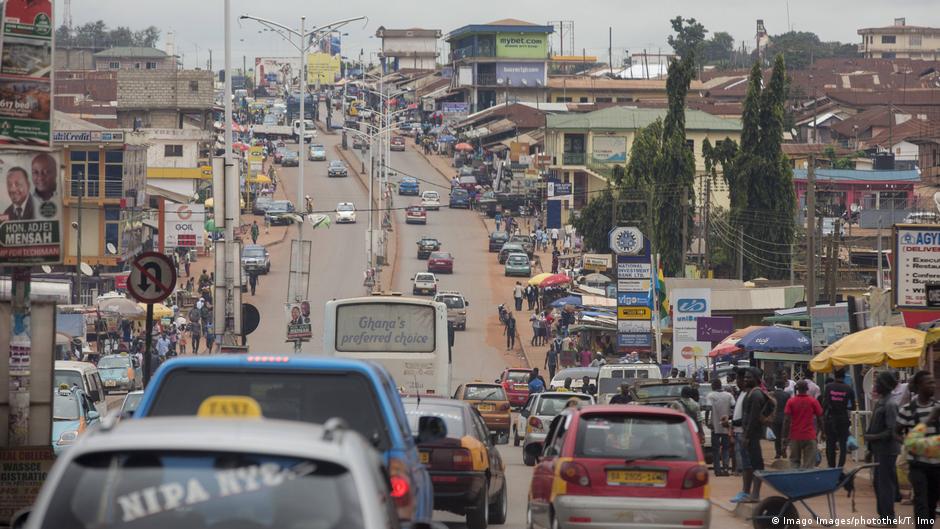
The world's fastest-growing cities are not where conventional wisdom expects them to be, the Financial Times reported on Saturday, with Africa's urban centres set to expand by 19 million people annually, equivalent to nearly two Londons added every year.
The Big Read, published on October 17, argued that the continent's urbanisation is not following the familiar path seen in earlier industrialising regions, with growth spreading beyond the handful of megacities that dominate headlines and reshaping where demand for housing, transport, energy and services will emerge over the coming decades.
Onitsha and the invisible giants
The report opened with Onitsha, the historic trading hub in southern Nigeria whose commercial tendrils stretch across West Africa and on to China, Europe and the United States. The urban area is home to 5.6 million people by United Nations estimates, a scale that far exceeds its global name recognition, illustrating how much of Africa's urban growth is happening in places undercounted and undercovered.
That gap between population and visibility matters for investors and governments alike: infrastructure planning, consumer market estimates and service provision all lag when the cities doing the growing are missing from standard rankings.
Concentration and dispersal
Complementary research highlights the dual nature of the trend. Oxford Economics' 2026 Global Cities Index, released this month, projects that five African cities, Cairo, Accra, Dakar, Luanda and Nairobi, will generate a third of all GDP growth among the continent's urban centres over the next 25 years, even as population growth spreads more widely. Over the same period, major African cities are projected to add 213 million residents, around 70 per cent of them of working age.
Cairo and Kinshasa are on course to become the fourth and fifth most populous cities in the world by 2050, with Lagos and Luanda entering the global top 20 and seven more African cities crossing the 10 million threshold into megacity status.
The risk of growth without gain
Both reports converge on a caution: demography is not destiny. Rapid urbanisation arriving alongside weak governance, climate pressures and constrained public finances could deliver sprawling settlements with poor infrastructure, low-value employment and limited access to basic services. The dividend depends on whether cities convert working-age populations into productive, formal employment and whether housing and transport keep pace with arrivals.
Why it matters for business
For companies, the data reorients long-range planning. Consumer demand, mobile money usage, retail footfall and energy needs will increasingly be set not only by Lagos, Nairobi and Cairo but by secondary cities whose names rarely appear in market reports. The firms and investors that map those shifts early will be better placed to serve, and finance, the fastest urban expansion in modern history.
Up next
CBK Signs MoU With Toronto Centre to Strengthen Supervisory Training
The Central Bank of Kenya has signed a memorandum of understanding with the Toronto Centre for Financial Supervision, signed in Bangkok on the sidelines of the IMF and World Bank annual meetings, to strengthen supervisory training.
More in Business
See all
Oil Marketers Reject FG's Proposed N1,350 Petrol Price Ceiling
The Major Energies Marketers Association of Nigeria has rejected the federal government's proposed N1,350 per litre ceiling on petrol ex-gantry and landing costs, arguing that arbitrary price caps distort competition without fixing supply bottlenecks.

CITA Energies Seeks Review of Dangote Refinery's Jet A1 Pricing Formula
Aviation fuel marketer CITA Energies has called on Dangote Refinery to review its Jet A1 pricing formula, a premium introduced in March and a requirement that 25% of buyers' payment instruments be placed under lien, saying the extra costs are passed on to airlines.
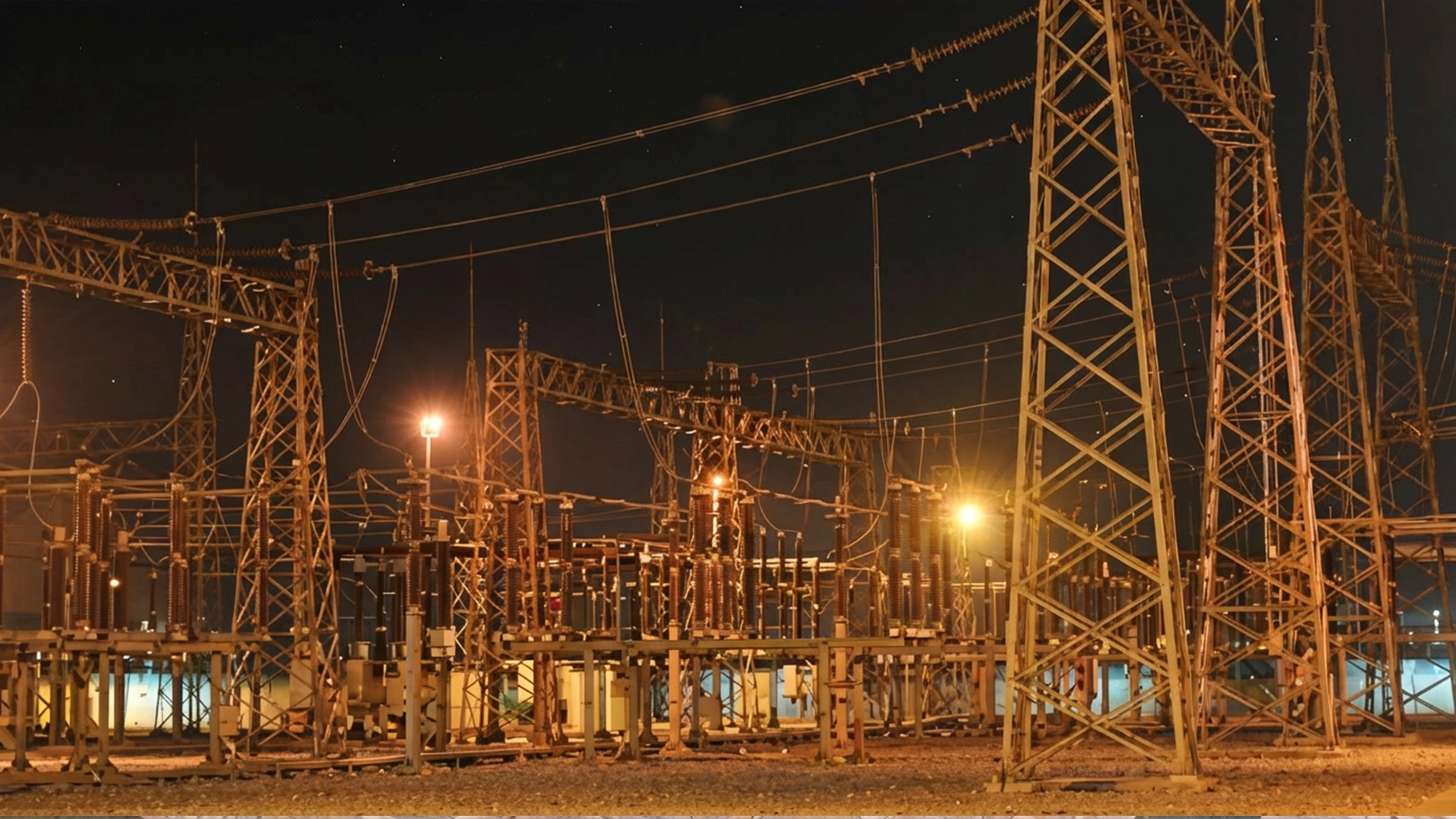
FG Breaks Ground on 17.7MW Ibadan Solar Mini-Grid Targeting 22,597 Connections
The Federal Government has begun construction of a 17.7MW interconnected solar mini-grid in Ibadan under the DARES programme, targeting 20 hours of daily supply and 22,597 connections across five communities.
About the author
Amaka Obi
Senior Business Reporter
Amaka Obi writes for BusinessPress.