
Eurozone Factories Hold Growth as Costs Surge Again
The S&P Global Eurozone Manufacturing PMI eased slightly to 52.7 in October for a ninth straight month of growth as input costs hit a five-month high, keeping ECB rate pressure alive.
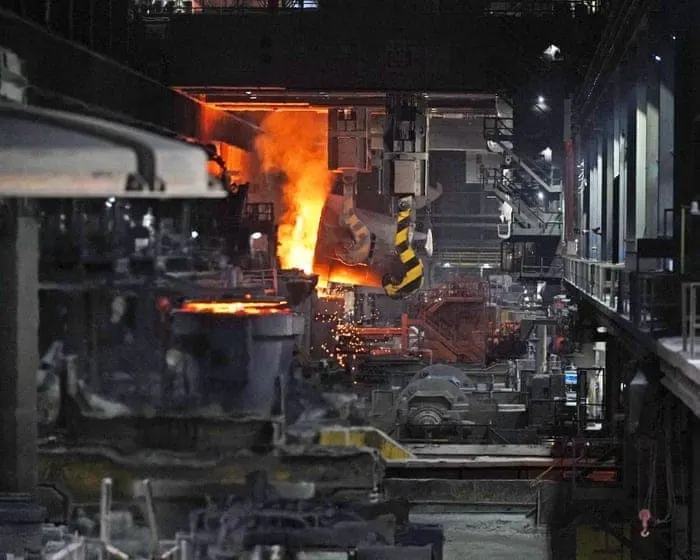
Euro-area manufacturing kept growing for a ninth straight month in October, with the S&P Global Eurozone Manufacturing PMI easing modestly to 52.7 from September's 52.9 — the highest reading since May 2022 — even as input cost inflation jumped to a five-month high and supply-chain delays worsened, keeping pressure on the European Central Bank for further rate rises, data released Monday showed.
The final October reading came in above the preliminary estimate of 52.4, and the survey's output index eased to a still-solid 52.8, its four-month low but comfortably above the survey's long-run average. Collectively the data extend the eurozone's best stretch for factory growth in more than four years, achieved against a backdrop of tariffs, energy shocks and war-driven freight uncertainty that would have sunk the sector in previous cycles.
Growth was broad but not universal. Six of the eight euro area countries covered recorded expansion, each at rates history would call strong relative to their own averages, while France and Italy slipped back into contraction — the two exceptions to the trend — leaving Germany carrying the bulk of the upside as its manufacturing industry expanded solidly through October.
The squeeze inside the expansion
Within the healthy headline, the details describe real strain. Supplier delivery times worsened to their longest since June, pushing manufacturers to purchase inputs at the fastest pace since May 2022 and build input inventories for the first time since December 2022 — stockpiling behaviour that firms themselves attribute to fears about supply reliability rather than optimism about demand. New orders rose more slowly even as export orders posted their sharpest rise in over four and a half years, meaning domestic demand lagged the foreign pulse.
Input cost inflation accelerated for a second straight month to a five-month high, driven by energy-price pressures and war-related fuel and food costs, and factories passed much of it through with sharply higher output prices. Eurozone inflation expectations therefore sit on a rising floor even as growth slows at the margin, a combination ECB officials have repeatedly described as the harder of the two policy tests, given the bank held rates last week and economists expect a further hike in December.
What the region's factories are managing against
The odd feature of this cycle is resilience under damage. Tariff barriers, Middle East conflict risk premiums in fuel and shipping, and the stop-start nature of the European energy transition have all repriced manufacturers' cost bases in the space of a single year — yet order books, employment and purchasing activity all expanded for a third straight month and business sentiment, though weak by the survey's own series average, stayed positive into the fourth quarter.
Companies appear to have learned from the 2022 energy shock. Builders of the region's industrial base — chemicals producers, automotive suppliers, food processors — now keep thicker cost hedges, pass inflation faster to customers, and prefer to retain trained staff through soft months to protect capacity, all of which flattens the bottom of the cycle even as it caps the boom.
Reading across to the global factory tape
Eurozone PMI came alongside sister releases on Monday that lifted rather than darkened the picture elsewhere. British manufacturers began the quarter with their strongest output growth in more than two years, Japan, India and China's private-sector surveys all held above 50, and the takeaway from the global wrap is a factory world still expanding while contending with rising costs — a slower version of the same story.
For African manufacturers and exporters, the signal travels through two channels. The first is demand: stronger European factory activity and the sharpest export-order growth in half a decade mean more orders for whichever supplier can deliver, including North African, Turkish and Gulf intermediate goods producers feeding European supply chains. The second is cost: accelerating eurozone input inflation pressures the ECB to keep rates higher for longer, holding euro financing costs at a level emerging-market corporate and sovereign borrowers feel in dollar- and euro-denominated debt pricing.
For the ECB's December decision, this print removes nothing: growth is holding above 52 while costs accelerate, exactly the picture in which a further hike is more attractive than a pause. The question officials face is how much more the region's factories can absorb from rates, energy and politics in one cycle — so far, the answer has been more than anyone expected.
Up next
UK Factories Begin Quarter at Two-Year Growth Peak
The UK Manufacturing PMI climbed to 52.8 in October with the strongest output growth in more than two years, just as fast-rising costs put a Bank of England rate rise back on the table.
More in Economy
See allNigeria's Inflation Falls to 14.63%, Lowest Since October 2020, as Food Prices Ease
Nigeria's headline inflation fell to 14.63% in September, the lowest since October 2020, driven by easing food prices even as core inflationary pressures continued to build in parts of the services economy.
Petrol Discount Eludes Motorists as NNPCL Pump Price Returns to N1,405
Nigeria's 30-day petrol discount has failed to reach most motorists, with NNPCL stations back at N1,405 a litre and the N66 reduction available only through the company's app at self-service pumps, while transport fares keep rising.
Nigeria's Inflation Eases to 14.63% in September as Food Prices Fall
The NBS said headline inflation dropped to 14.63% in September from 15.39% in August, with month-on-month food prices falling 1.55% and core inflation at 12.95% year-on-year.
About the author
Musa Abdullahi
Finance Correspondent
Musa Abdullahi writes for BusinessPress.
More by Musa Abdullahi
Egypt Floats Banque du Caire in $650m IPO
Finance56 mins ago
Ecobank Grows Nine-Month Profit 12 Percent
Finance1 hr ago
Nigerian Banks Post Continental Lowest Lending Ratios
Finance2 hrs ago


