
Google Pay goes live for eligible Nigerian cardholders as global payment wallets deepen their Nigerian presence
Google Pay has launched in Nigeria for eligible cardholders, adding the world's largest digital wallet platform to the country's payment mix, with industry speakers describing stablecoins as the next frontier for faster cross-border payments.
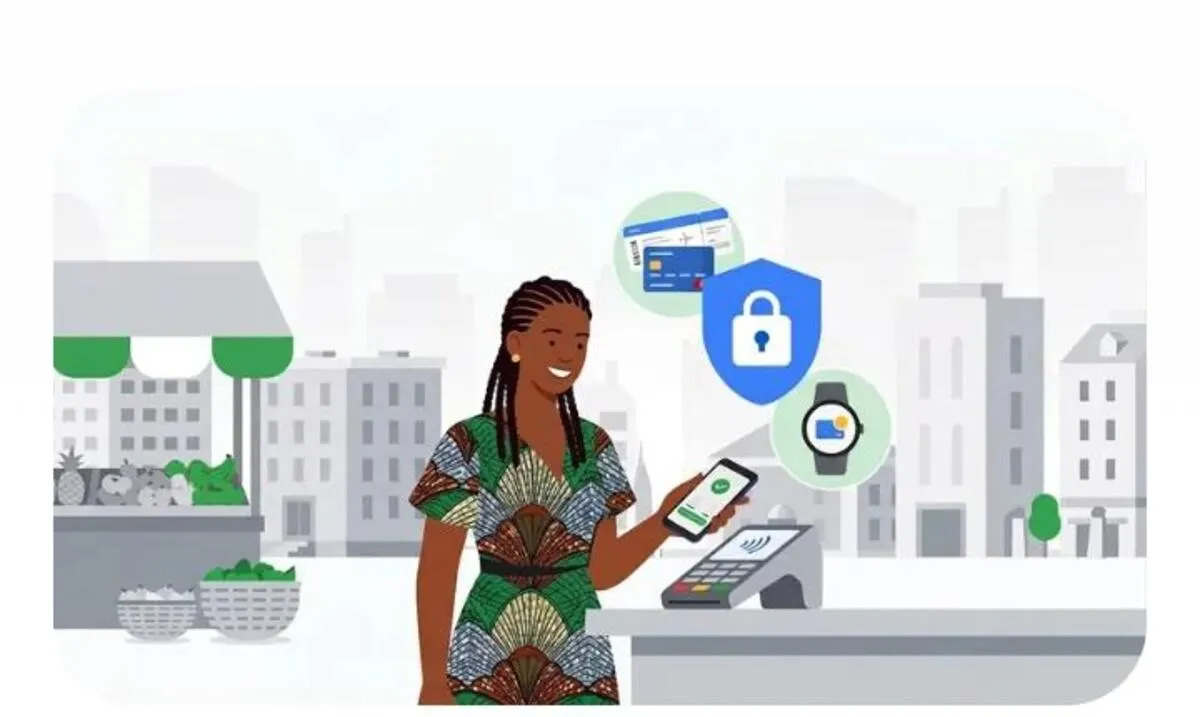
Google Pay, the payments platform that reshaped retail checkout in dozens of markets, is now live in Nigeria for eligible cardholders, adding the world's most recognisable wallet brand to the country's payment landscape. The launch, confirmed through this week's industry announcements, means Nigerian consumers holding enabled Visa and Mastercard instruments can now pay at contactless terminals and in-app through tokenised credentials rather than presenting plastic cards at the point of sale.
What the launch changes
Nigeria's payments market has been built on different rails than the ones Google Pay digitises. Interbank instant transfers through the NIBSS platform dominate domestic e-commerce and person-to-person payments, with bank transfers measured in billions of transactions each month, while point-of-sale card payments have grown substantially among the country's urban and affluent consumers. The arrival of a tokenised global wallet at the checkout adds a third leg to that infrastructure, one that international retailers, travel merchants and subscription services account for particularly well, and it tightens the linkage between Nigerian cardholders and the global commerce networks they increasingly transact on.
Tokenisation is the security architecture that makes the launch practical. Card numbers are replaced in the wallet with device-specific credentials, so a stolen phone does not expose the underlying account, and biometric activation confirms the identity of the person standing at the terminal. For Nigerian issuers, onboarding into the wallet gives their cardholders an experience that global consumers take for granted, and for acquirers it widens the base of payment instruments that a contactless terminal can accept.
[irp][irp][irp][irp][irp]
Stablecoins are the adjacent conversation
The launch coincided with an industry conversation about what comes after wallets. Speakers at sector events held through the week argued that stablecoins, digital currencies pegged to sovereign units and issued on public ledgers, could compress the cost and the settlement time of cross-border payments, the segment where Nigerian businesses and remittance corridors pay some of their highest frictions. The case they made was about liquidity: a stablecoin settlement corridor converts a two-day correspondent chain into a minutes-long transfer, and it does so at a fraction of the fees that card and wire networks charge for the same journey.
Nigerian regulators have moved from scepticism to structure on digital assets, with the Investment and Securities Act now providing a framework for digital asset exchanges and stablecoin issuers required to be licensed. Whether those rails will complement or compete with the tokenised card networks Google Pay joins is the strategic question of the next cycle, and the industry's current view, from the events held through this week, is that both will coexist: card rails for consumer retail, stablecoin corridors for business-to-business and remittance flows.
What to watch as the wallet rolls out
The practical launch has a number of gates still to clear. Nigerian issuers will onboard cardholders to the wallet in phases, depending on the tokenisation capabilities of their card platforms, and contactless terminal coverage varies across merchant environments. Adoption initially will concentrate in e-commerce and in-app payments, which is where tokenised wallets perform best, while tap-to-pay growth waits on terminal refresh cycles in retail.
The launch nonetheless marks the deepening of a strategic interest by global platforms in Nigeria's 200-million-person consumer economy. Payment companies that invested through the last decade, from mobile money to card schemes, have watched Nigeria become the largest digital payments market on the continent, and its consumer data, its merchant acquiring volumes and its young demographic all reward patient infrastructure investment. Google Pay's launch is the newest expression of that patience, and the mix it will settle into, next to bank transfers, wallet apps and possibly stablecoin corridors, is the direction of travel for what Nigerians use when they pay for things: not one national system but a layered foreign and domestic infrastructure, converged on a phone screen.
Adoption will also be shaped by habit rather than hardware. Nigerian consumers have shown repeatedly that they switch payment behaviour when the experience is measurably better, from USSD transfers to instant bank apps in little over a decade, and a wallet that shortens checkout across the merchants they already use will be tested against that standard. The launch hands issuers a new front in that competition, and the coming quarters will show which instruments their cardholders remember to reach for.
Up next
NESG survey: 74.4 per cent of households accept government's right to tax, but trust in tax authorities remains low
A Nigerian Economic Summit Group survey covering 18,000 households and 9,097 businesses found 74.4 per cent of households accept the government's right to collect taxes, yet trust in tax authorities remains low and 67.2 per cent reported paying informal levies.
More in Technology
See allAfrican banks ramp up AI spending despite data and fairness risks
Lenders are using AI for credit, fraud and customer service, but weak data, bias and job displacement raise governance questions.
EBANX launches OPay Direct Debit recurring payments in Nigeria
EBANX has become the first global payments company to launch recurring payments through OPay Direct Debit, giving merchants access to about 40 million monthly active users.
MobiBank Names Strategic Partner and Shareholder for Nigerian Launch
MobiBank has added a strategic partner and minority shareholder in Nigeria, its first African implementation market, while naming ten priority markets and confirming the group keeps technology, brand and control.
About the author
Musa Abdullahi
Finance Correspondent
Musa Abdullahi writes for BusinessPress.
More coverage


