EBANX launches OPay Direct Debit recurring payments in Nigeria
EBANX has become the first global payments company to launch recurring payments through OPay Direct Debit, giving merchants access to about 40 million monthly active users.
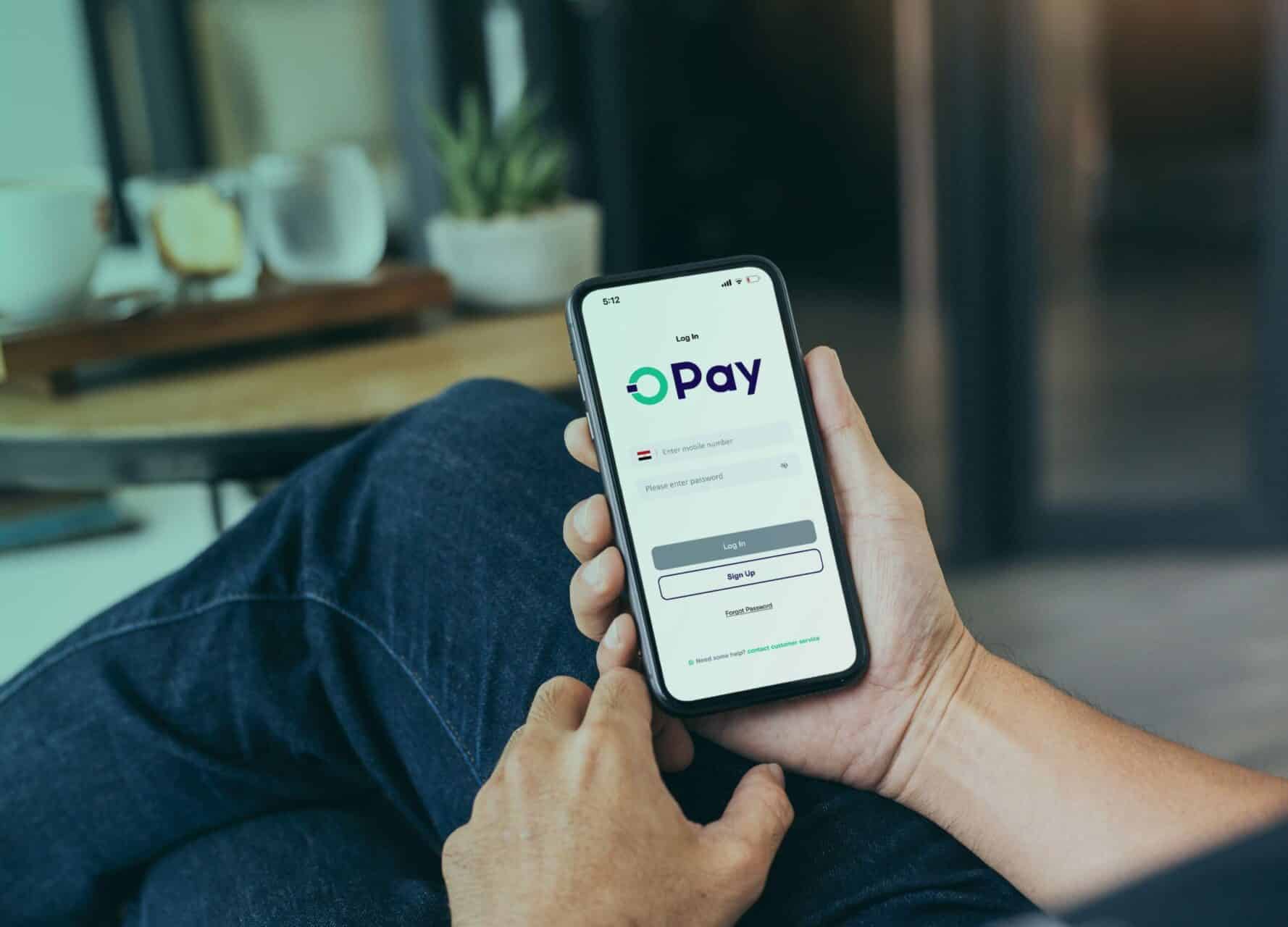
Global payments company EBANX has launched recurring payments through OPay Direct Debit in Nigeria, becoming the first international payments firm to offer the service through the local fintech platform.
The product allows merchants to collect repeat payments from OPay users after a one-time authorisation, without requiring customers to re-enter their details or approve each transaction. It is designed for subscription services, memberships, utility bills and other recurring charges.
OPay has about 40 million monthly active users, roughly one in three Nigerian adults. EBANX said the partnership would give global merchants access to a large, digitally active customer base that is under-served by traditional card-based recurring billing.
Why recurring payments matter
Nigeria’s e-commerce market is estimated at about $30 billion, but much of it is transactional rather than subscription-based. Consumers buy airtime, pay bills and shop online, but few sign up for recurring digital services.
That is partly because payment methods are not designed for recurring billing. Credit card ownership is low, at about 5 per cent of the population, and many consumers rely on bank transfers, wallets and cash. Merchants who want to offer subscriptions have to build complex workarounds or absorb high failure rates.
EBANX said about 95 per cent of online spending by Nigerian consumers occurs without a credit card, and wallets and bank transfers account for about 65 per cent of e-commerce payments. Direct debit gives those consumers a way to pay automatically without a card.
How it works
Customers authorise the debit once through the OPay app. After that, merchants can collect payments according to the agreed schedule. The customer receives a notification 24 hours before each debit, giving them time to cancel or adjust the payment.
The minimum transaction is N50 and the maximum is N5 million. Refunds can be processed within 180 days, depending on the merchant’s policy and the reason for the refund. EBANX said the system includes fraud controls and a 30-minute approval window for merchants.
The service is integrated into EBANX’s existing payment platform, which merchants use to accept local payment methods in emerging markets. That means a global subscription business can add OPay Direct Debit alongside cards, bank transfers and other methods without building a separate integration.
The strategic logic
EBANX’s business is built on connecting global merchants to local payment methods in emerging markets. It operates in 13 countries and says it reaches about 1.116 billion consumers. Nigeria is one of its largest markets, and OPay is one of its most important partners.
The partnership deepens that relationship. OPay gains a new use case for its wallet, while EBANX gains a differentiated product that competitors may find hard to replicate. Merchants gain access to recurring revenue from customers who do not use credit cards.
“Recurring payments are essential for the next phase of digital commerce in Nigeria,” said Eduardo de Abreu, EBANX’s chief product officer, in a statement. He argued that the service would help local and global merchants build subscription businesses without excluding consumers who do not have cards.
The competition
Nigeria’s payment market is crowded. Paystack, Flutterwave, Moniepoint, Interswitch and Remita all offer online payment services. Several fintechs offer direct debit or standing order products, but few have integrated them as deeply with a wallet provider.
Banks also offer direct debit, but the process is often manual and slow. Customers may need to visit a branch or sign a paper mandate. Digital direct debit through a wallet is faster and more convenient.
The main competitive risk is that OPay could build its own recurring payments product for merchants, bypassing EBANX. OPay already has a large merchant network and a growing suite of business tools. For now, the two companies appear to be collaborating rather than competing.
The consumer protection question
Recurring payments depend on trust. Customers must be confident that merchants will not debit them without permission, that cancellations will be honoured and that refunds will be processed promptly.
EBANX’s 24-hour pre-debit notification is a useful safeguard. It gives customers visibility and control. The 30-minute approval window for merchants adds another layer of security.
But rules alone are not enough. Regulators need to ensure that merchants comply with consent requirements and that disputes are resolved quickly. The Central Bank of Nigeria has been tightening consumer protection rules for digital payments, and the new service will be subject to those rules.
What it means for merchants
For subscription businesses, the service could reduce churn and improve cash flow. Instead of chasing customers for monthly payments, merchants can collect automatically. That is particularly valuable for streaming, software, education, health and utility services.
For e-commerce companies, direct debit could enable instalment plans and loyalty programmes. Customers who cannot pay the full amount upfront can spread the cost over time, which may increase conversion rates.
The service is not a cure-all. Merchants still need to acquire customers, provide value and manage disputes. Recurring billing only works if customers are happy with the service and trust the merchant.
The bigger picture
Nigeria’s digital economy is growing, but payment infrastructure remains fragmented. Consumers use multiple wallets, bank accounts and cash. Merchants have to integrate with several providers to reach everyone.
Partnerships like EBANX and OPay reduce that fragmentation. They allow global merchants to accept local payment methods without building separate relationships with each provider. That lowers the cost of entering Nigeria and expands the range of services available to consumers.
The recurring payments market is still small, but it has significant potential. As more Nigerians use digital services, the demand for subscription billing will grow. The companies that can offer reliable, secure and convenient recurring payments will have an advantage.
[irp] [irp] [irp] [irp] [irp]
Up next
Shettima sets up technical committee for wheat, staples, livestock
Vice-President Kashim Shettima has constituted a technical committee to develop interventions in wheat, staple crops and livestock, though no deadline or funding has been announced.
More in Technology
See all
Onafriq Winds Down Baxi Agent Banking in Nigeria After Five Years
Onafriq is closing Baxi, the agent banking business it acquired in 2021, citing inflation, naira depreciation and the rise of instant account-to-account payments, while insisting it is not exiting Nigeria.

EBRD Backs Beacon Power Services With $20.9 Million for Smart Metering Push
The European Bank for Reconstruction and Development agreed a $20.9 million project financing with Beacon Power Services to deploy smart meters across six Nigerian distribution companies.
NIBSS Builds National Payment Stack on Open-Source Technology
NIBSS has built its National Payment Stack on Transactility's open-source jPOS technology, gaining full source-code control of Nigeria's instant payments platform.
About the author
Chinedu Nwosu
Technology Editor
Chinedu Nwosu writes for BusinessPress.
More by Chinedu Nwosu
Interswitch expands tokenised tap-to-pay infrastructure across Nigeria, Kenya and Uganda
Technology5 hrs ago
SpaceX Q3 revenue soars to $14.6bn as Starlink drives connectivity growth
Technology5 hrs ago
NPA MD warns of AI and cybersecurity risks for African ports at Casablanca conference
Business5 hrs ago