International Breweries’ 9-Month PBT Rises 22% to ₦90.44bn
International Breweries Plc’s profit before tax rose 22% to ₦90.44 billion in the nine months to September 2026, up from ₦73.82 billion a year earlier, Nairametrics reported, as the brewer’s revenue growth and cost discipline compounded through the period.
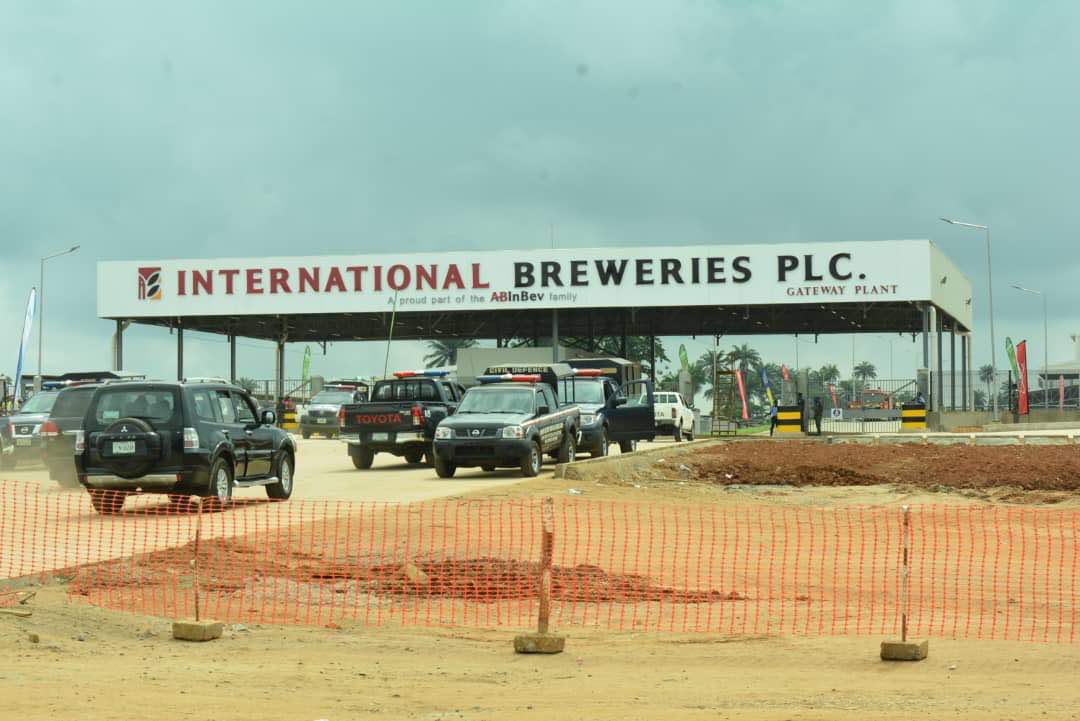
International Breweries Plc, the Nigerian arm of the world’s largest brewer, grew profit before tax by 22% to ₦90.44 billion in the nine months ended September 2026, up from ₦73.82 billion a year earlier, Nairametrics reported on Monday, October 26, 2026. The consumer goods company declared the figures in an unaudited results filing that showed the brewer converting a tricky macro year — disinflation with pockets of input-cost pressure — into tangible bottom-line growth.
The result matters beyond the profit number. Nigeria’s consumer goods sector has spent 2026 navigating demand recovery from the inflation-led squeeze of previous years, with households rebuilding purchasing power slowly as headline inflation moderated and the Central Bank began cutting rates. A 22% PBT expansion in that environment signals both genuine volume recovery and effective margins management — the combination that justified the price increases the sector took through 2025 without losing customers entirely.
International Breweries’ operating history in Nigeria has been defined by the heavy cost side of that equation: the company has spent years absorbing foreign-exchange exposure on imported inputs, and the naira’s stabilised official rate — holding near ₦1,331.28 per dollar on the NFEM Monday — reduced one of the sector’s biggest unpredictabilities this year.
[irp][irp][irp][irp][irp]
What the 22% Represents
The profit improvement is the product of three levers working simultaneously. Revenue growth in the beer and soft drinks categories, particularly in the mainstream segments where the company’s Spike and Trojan brands target value-seeking consumers who have been trading down through the downturn. Operating-leverage gains as fixed costs spread over growing volumes. And finance-cost relief as the company retreated from the FX loss cycles that ravaged consumer goods earnings statements in 2024-25.
Analysts reading the filing should also weigh the quality of the operating environment the result overcame. Beer excise duties, energy costs and distribution logistics all remained pressure points through the period, meaning the 22% was earned rather than inherited — a distinction that matters for the credibility of the trajectory into the fourth quarter, which carries the sector’s festive-season demand peak.
The Bigger Consumer Sector Story
International Breweries’ result lands amid a sectoral inflection that several peers have echoed this reporting cycle. The NGX Consumer Goods Index has been among the strongest performers as earnings recovered from the margin-compressed trough of 2024-25, with the NGX’s October sessions showing consumer names contributing to Monday’s record ₦163.16 trillion capitalisation. The broader re-rating story is simple: with inflation moderating and rates falling, consumer goods companies that kept their brands intact through the squeeze now hold pricing power in a demand-recovery window.
For investors, International Breweries’ 22% growth also recalibrates valuations in the mid-cap consumer space. With the stock among the NGX Consumer Goods names whose earnings trajectory has now visibly turned, the reporting season offers illustrations of which companies have actually generated profit growth versus merely stabilising margins.
Attention now shifts to whether the brewery can sustain the momentum through Q4 — historically the fattest shopping quarter in the Nigerian beverages calendar — and whether the finance-cost trajectory continues its improvement through year-end, the line that separated this result from breakeven pain in previous years.
Up next
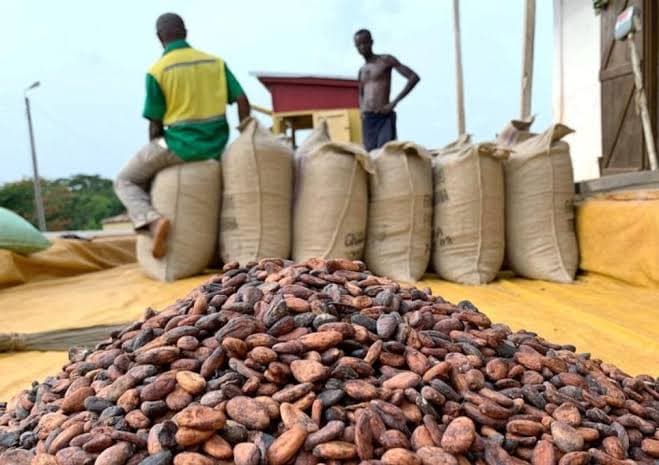
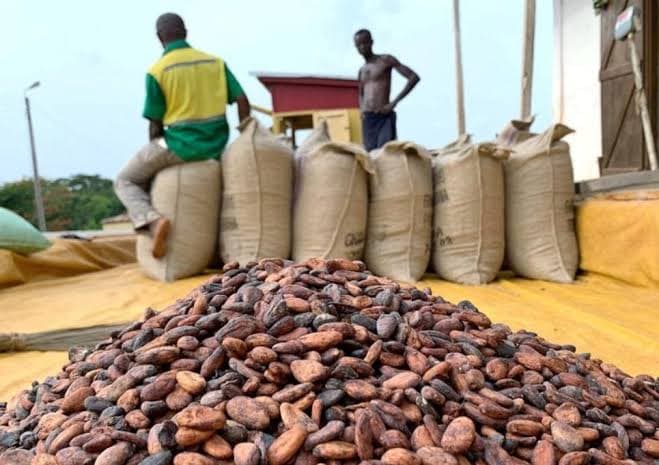
Cocoa Farmers Push Value-Chain Reforms, Warn Against Commodity Board Bill
Cocoa farmers’ associations are intensifying pressure for value-chain reforms, warning through their representatives that proposed federal commodity board legislation must not recreate the rent-seeking structures that impoverished farmers under Nigeria’s old marketing boards, BusinessDay reported on Monday, October 26.
More in Corporate
See all
Klump BNPL Startup Shuts Down After Five Years in Nigeria
Klump, the Nigerian buy-now-pay-later startup founded by former Flutterwave engineer Celestine Omin, has shut down operations after five years, with its chief executive announcing the closure in a blog post on Sunday, October 25, Nairametrics reported.
Seplat’s Record Year Pauses as Stock Closes Flat at ₦16,000.10
Seplat Energy closed unchanged at ₦16,000.10 on Monday, October 26, pausing a year-to-date run that has delivered roughly 175% gains and made the oil and gas producer one of the Nigerian Exchange’s best-performing blue chips in 2026.
SEC approves Coronation Insurance delisting as buyout scheme advances
The SEC has approved the delisting of Coronation Insurance from the NGX under a buyout scheme by its majority owner, moving minority shareholders a step closer to a cash exit.
About the author
Ngozi Eze
Companies Reporter
Ngozi Eze writes for BusinessPress.