Cocoa Exports Surge 3,000% in Five Years as Weaker Naira Transforms Farm Trade
Nigeria’s cocoa exports have surged by roughly 3,000% in value over the last five years, driven by the naira’s depreciation multiplying the naira proceeds of dollar-priced beans even before production growth, BusinessDay reported on Monday, October 26.
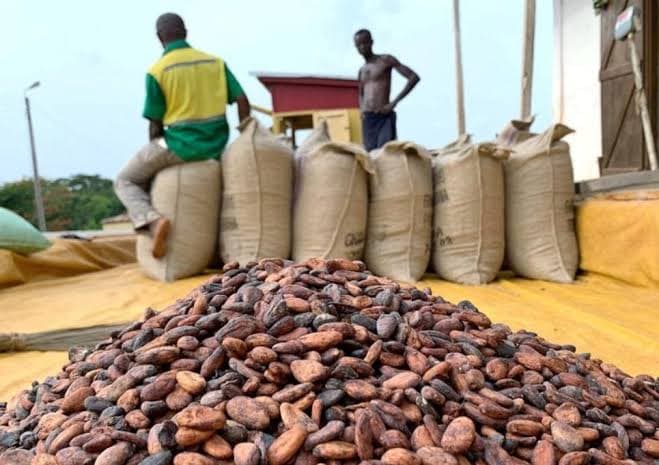
Nigeria’s cocoa exports have surged by roughly 3,000% in value terms over the last five years, driven in significant part by the naira’s depreciation multiplying the naira proceeds of dollar-priced beans even before any growth in production itself, It was reported on Monday, October 26, 2026. The trajectory is emblematic of how a weaker currency reshapes a country’s tradable sectors — in this case forcing agricultural exports back into economic prominence that decades of oil-era neglect had eroded.
The math behind the surge is straightforward. Cocoa prices are set in dollars on the global futures market; every dollar-purchase transaction a Nigerian exporter executes converts at the prevailing naira rate. As the official exchange rate moved from below ₦500 per dollar in 2020 to above ₦1,300 today, the naira value of each dollar of cocoa receipts multiplied roughly threefold. Layer on record global cocoa prices — the 2024-25 drought cycle in West Africa pushed international cocoa to unprecedented highs — and the combination produced the triple-digit-fold expansion the trade figures show.
Nigeria’s cocoa output, at roughly 300,000 tonnes annually, remains a distant third in West Africa behind Côte d’Ivoire and Ghana, but the valuation surge has made the commodity’s economics newly visible to the fiscal authorities and the farming communities alike. Export receipts from agriculture have become the quiet counterweight to oil’s still-dominant position in the country’s external earnings ledger.
[irp][irp][irp][irp][irp]
The Distributional Question Behind the Numbers
The export surge’s gains do not distribute themselves evenly. Farmgate purchasing prices have risen sharply, handing income gains to the cocoa-belt states — Ondo, Osun, Cross River, Ogun among them — that produce the bulk of Nigeria’s beans. Input suppliers, buyers and exporters capture intermediate margin. But the state tax and value-added share is where public finance joins the story: state governments that depend on cocoa revenue have re-engaged commodity governance in a way the oil era had made unnecessary.
The debate the BusinessDay report frames is whether Nigeria uses this window to build a real value chain — processing, warehousing, grading — or simply rides the currency-driven price wave and calls it structural change. The country’s existing cocoa-board reform proposals sit exactly here, and farmers’ associations have become increasingly vocal about whose interests the governance design serves.
What Sustains the Surge — and What Ends It
Three variables will decide whether the boom persists. Global cocoa prices, which have already retreated from their 2024-25 peaks as West African supply recovers. The naira’s path, where further appreciation would erode the multiplication that drove much of the surge. And production itself — Nigeria’s yields remain constrained by ageing trees, disease pressure and input costs, meaning the sector requires the very investment that Nigeria’s return-based economics have only just made attractive enough to fund.
For policymakers, the cocoa story is also a test case for the wider agriculture diversification agenda the government promotes. If the country can convert commodity receipt growth into processing capacity and decent farmer incomes, the template extends to cashew, sesame and palm. If the gains stay at the raw-bean export stage, the sector remains a currency play.
Up next
Firms Should Buy Dollars From the Market, Not CBN Allocations — Dangote Tells Economic Summit
Billionaire industrialist Aliko Dangote told the 32nd Nigerian Economic Summit in Abuja on Monday, October 26, that companies should be able to buy foreign exchange through the market at prevailing rates rather than rely on direct Central Bank of Nigeria allocations, warning that naira cash alone does not solve machinery import needs.
More in Agriculture
See all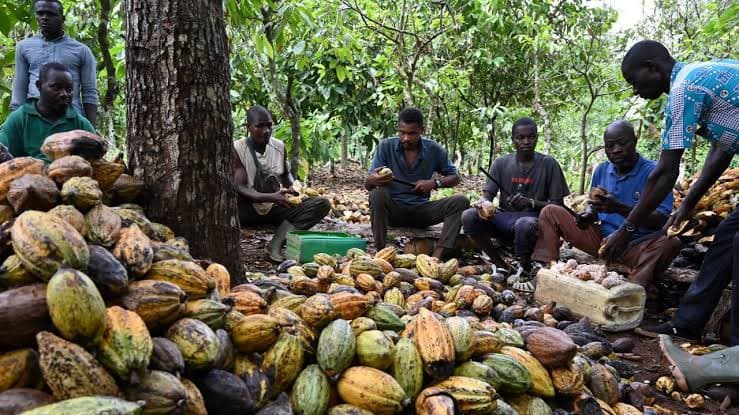
Cocoa Farmers Push Value-Chain Reforms, Warn Against Commodity Board Bill
Cocoa farmers’ associations are intensifying pressure for value-chain reforms, warning through their representatives that proposed federal commodity board legislation must not recreate the rent-seeking structures that impoverished farmers under Nigeria’s old marketing boards, BusinessDay reported on Monday, October 26.

Bank of Agriculture anchors N200bn intervention on N350,000/tonne maize price floor
The Bank of Agriculture is launching a N200bn intervention built on guaranteed minimum prices, including a N350,000 per tonne maize floor, positioning itself as lender and offtaker for staple crops.
Food Security Council moves to formalise grain mopping-up framework for dry-season harvest
The Presidential Food Security Council is formalising a mopping-up framework to absorb dry-season grain gluts at harvest, protecting farmgate prices and building strategic reserves alongside the N200bn BOA price-floor programme.
About the author
Tunde Balogun
Economics Correspondent
Tunde Balogun writes for BusinessPress.
More by Tunde Balogun