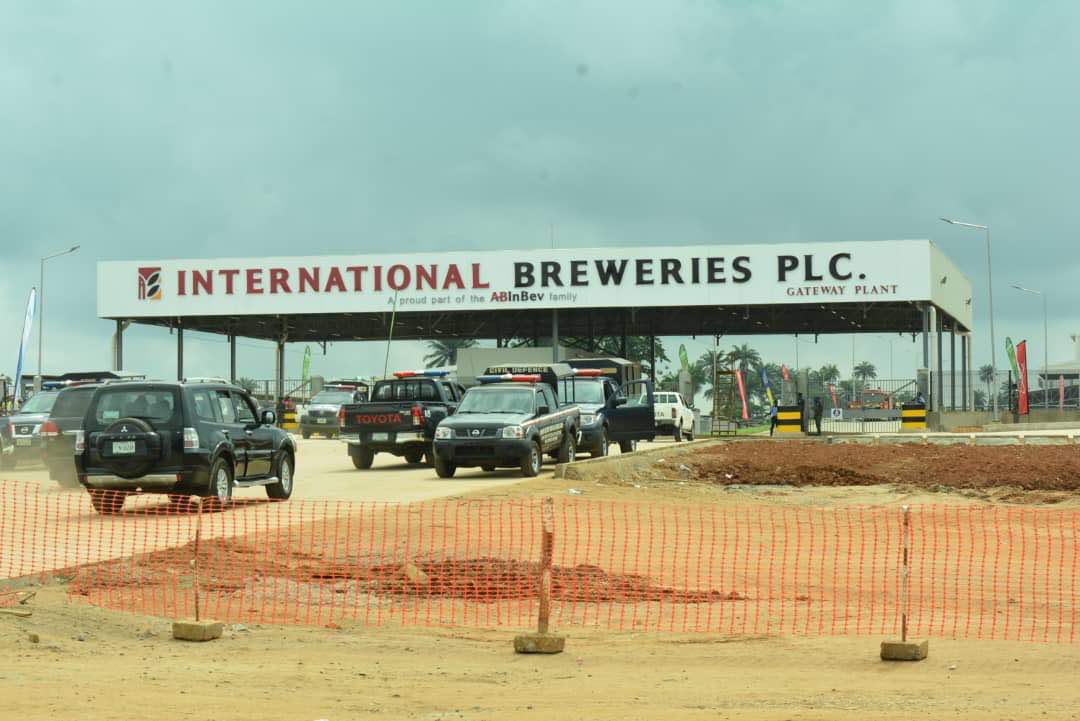
Cross River Exports Over 80,000 Metric Tons of Cocoa Annually, Association Says
Cross River State exports more than 80,000 metric tons of cocoa annually, the Cocoa Association of Nigeria said, positioning the state as a leading supplier in Nigeria’s resurgent cocoa trade as it pushes for direct export channels from its southern port, BusinessDay reported.
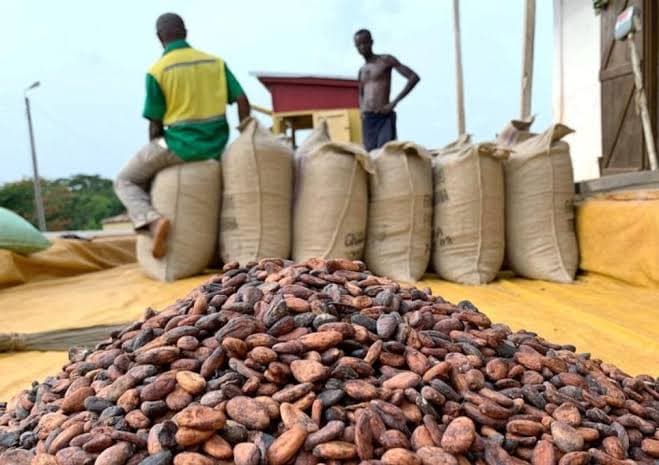
Cross River State exports more than 80,000 metric tons of cocoa annually, the Cocoa Association of Nigeria has said, positioning the state as a leading supplier in Nigeria’s resurgent cocoa trade as it presses for direct export channels from the state’s southern ports. The state’s output sits at the centre of the country’s cocoa economy not just by volume, but by geography: Cross River’s position along the Cameroon corridor and proximity to Calabar’s port infrastructure give it a natural advantage in the export logistics equation that other growing regions lack.
The volume figure is significant in context. Nigeria produces roughly 300,000 metric tons of cocoa annually in the aggregate, meaning Cross River’s 80,000-plus represents a substantial minority of national output flowing through a single state’s collection network — a concentration that creates both commercial leverage and governance responsibility for the state’s institutions.
The industry’s current rhetoric reflects a shift in emphasis from volume to value. The Cocoa Association has coupled its export figures with advocacy for state-level processing capacity — grinding and chocolate manufacturing that retain more of the commodity’s value domestically, instead of the raw-bean export dependency that the 3,000% naira-driven export surge has made profitable without capturing the processing margin.
[irp][irp][irp][irp][irp]
Why Cross River’s Geography Shapes the Industry’s Future
Cross River’s cocoa belt sits in the high-rainfall southeast that borders Cameroon, and its expansion potential — a land-use case the government promotes with seedling distribution programmes — exceeds what older western production states like Ondo can achieve without major replanting. The state’s climate advantages carry with them a specific development wager: that planting programmes, input financing and warehouse infrastructure can convert Cross River’s geographic aptitude into industrial-grade capacity before the global buyers shift sourcing patterns.
The port question is also practical, not symbolic. Moving cocoa efficiently from the state’s farms to export berths via Calabar entrenches the state’s role as a full node in the supply chain rather than a farm-only supplier whose produce transits through Lagos. The Cocoa Association’s advocacy sits inside this larger infrastructure push.
The Broader Cocoa Reform Conversation
Cross River’s advocacy lands inside a national debate about cocoa governance that has intensified in 2026. Farmer associations have pushed back against the proposed state cocoa marketing board structures, arguing through the Cocoa Farmers Association of Nigeria that producer interests need protection against the rent-seeking history that commodity boards of the 1970s-80s embody in Nigerian institutional memory. The Cross River angle — a producing state seeking direct commercial channels — is a distinctly decentralised alternative to the centralised board model, and one that fits Nigeria’s federal structure better than the commodity-statist designs the federal debate has gravitated toward.
The 80,000-ton figure, in this framing, is leverage: a producing state that can move its own volume independently has commercial credibility in any future governance design, whether the outcome is a reformed national board or a market-based structure where producer associations and state agencies negotiate directly with buyers.
Up next
Cocoa Exports Surge 3,000% in Five Years as Weaker Naira Transforms Farm Trade
Nigeria’s cocoa exports have surged by roughly 3,000% in value over the last five years, driven by the naira’s depreciation multiplying the naira proceeds of dollar-priced beans even before production growth, BusinessDay reported on Monday, October 26.
More in Agriculture
See all
Bank of Agriculture anchors N200bn intervention on N350,000/tonne maize price floor
The Bank of Agriculture is launching a N200bn intervention built on guaranteed minimum prices, including a N350,000 per tonne maize floor, positioning itself as lender and offtaker for staple crops.
Food Security Council moves to formalise grain mopping-up framework for dry-season harvest
The Presidential Food Security Council is formalising a mopping-up framework to absorb dry-season grain gluts at harvest, protecting farmgate prices and building strategic reserves alongside the N200bn BOA price-floor programme.
Week-43 food price watch: maize dips 1.6% as palm oil climbs 2.8%
Food market surveillance for week 43 shows maize down 1.6%, cashew down 2.7% and palm oil up 2.8%, even as September food inflation cooled to 19.59% year on year, per Useagrios data and NBS.
About the author
Abena Ofori
Agribusiness Correspondent
Abena Ofori writes for BusinessPress.