
Profit-Taking Wipes Value Off NGX as All-Share Index Slips 0.09%
Nigeria's equities market fell for a second straight session on October 13, with the All-Share Index slipping 0.09% as investors booked profits in large-cap stocks after a record run.
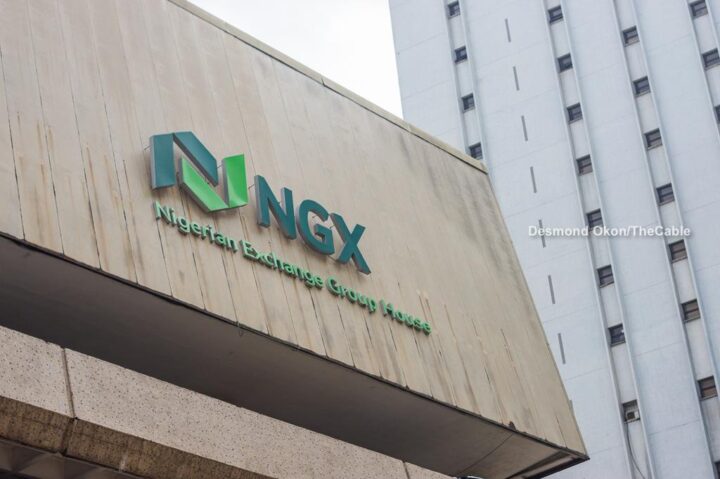
Nigeria's equities market closed lower for a second consecutive session on Tuesday, October 13, 2026, as investors booked profits in large-cap stocks and the benchmark All-Share Index slipped 0.09 per cent to 247,513.63 points.
The index fell 222.61 points from Monday's close of 247,736.24, extending a pullback that followed a strong run in which the market repeatedly set records. The declines were concentrated in the banking and consumer names that had powered the year's rally, including several tier-one lenders and industrial counters.
A pause after a record run
The Nigerian Exchange has been one of the world's best-performing markets in 2026, with the All-Share Index up about 59 per cent year-to-date. That surge has been driven by a combination of falling interest rates, improving corporate earnings and a wave of recapitalisation-related activity in the banking sector. After such a run, periodic profit-taking is to be expected.
Analysts described the session as consolidation rather than reversal. Market breadth was mixed, and trading remained active, suggesting that sellers were matched by buyers looking to position ahead of the third-quarter earnings season. The oil and gas sector index edged higher, reflecting continued interest in energy stocks.
After a rally of this magnitude, the market needs to digest its gains. A pause is healthy; the question is whether earnings can justify the valuations.
The earnings test ahead
Attention is shifting to third-quarter results, which will show whether the earnings momentum that lifted the market has held up as interest rates fall and the naira stabilises. Banks are expected to remain the marquee performers, but investors will also watch consumer and industrial companies for signs that demand is recovering.
The market's trajectory also depends on the direction of fixed-income yields. Government securities paying attractive rates compete with equities for domestic institutional money, and further easing by the central bank could push more funds into stocks. Conversely, a rebound in yields would cap equity upside.
What to watch
Foreign participation remains a wild card. Portfolio investors have returned to Nigerian assets, but their flows are fickle, and any global risk-off episode could trigger outflows. Domestic institutions and retail investors have been the backbone of the rally and are likely to remain so.
For now, the market's fundamentals look stronger than its daily gyrations suggest: a stabilising currency, declining inflation and a corporate sector that is generating real profit growth. Tuesday's dip is a reminder that even a bull market moves in both directions — and that the path to further gains runs through earnings.
Up next
Nigeria Unveils $7.1 Billion Sugar Master Plan to Cut Imports and Create 110,000 Jobs
The National Sugar Development Council has unveiled a $7.1 billion, ten-year investment plan to lift annual sugar production above two million tonnes and cut reliance on imports.
More in Markets
See all
NGX loses N1.58 trillion as profit-taking interrupts 2026 rally
The All-Share Index fell 0.97% in the week ended 9 October, while trading value increased despite a drop in share volume.
NGX rally accelerates as banking stocks push index to eight-month high
Lenders led a broad advance after a softer inflation print revived bets on a pause in the tightening cycle.
NGX market capitalisation tops N164 trillion on bank-led rally
A sustained run in financial-sector stocks lifted the value of the Nigerian Exchange to a record N164 trillion at the end of September, capping one of the strongest equity rallies in years.
About the author
Adaeze Okonkwo
Markets Editor
Adaeze Okonkwo writes for BusinessPress.
More by Adaeze Okonkwo


