
Fitch Revises Nigeria's Credit Outlook to Positive as Reserves Reach $54.9bn
Fitch Ratings has revised Nigeria's credit outlook to Positive from Stable, citing sustained reforms, disinflation and improved foreign reserves of $54.9 billion.
Fitch Ratings has revised Nigeria's credit outlook to Positive from Stable and affirmed the country's long-term issuer default ratings at 'B', citing sustained reform of the policy framework and increased confidence that the momentum will survive the next election cycle.
The agency said monetary and exchange rate reforms had supported greater naira flexibility, disinflation and faster-than-expected growth. It pointed to rising foreign exchange reserves — which it put at $54.9 billion — moderating inflation and improved external buffers as evidence that the economy's resilience to shocks has strengthened.
A trio of positive signals
The action completes a broadly improving picture from the major rating agencies. S&P Global Ratings upgraded Nigeria from 'B-' to 'B' in May 2026, and Moody's revised its outlook to positive in August. According to the finance ministry, all three agencies have now taken positive rating actions on the country in 2026 — a first in recent memory.
Fitch also noted that Nigerian banks remain well capitalised, with capital adequacy ratios above 20 per cent, exceeding regulatory minimums. That matters because the banking system is the transmission channel for credit to the real economy, and a resilient banking sector underpins overall financial stability.
A positive outlook is not an upgrade, but it is a signal that the direction of travel has changed. Execution will determine whether it becomes one.
What still weighs on the rating
Nigeria's credit profile remains constrained by structural weaknesses. Fitch flagged the country's low revenue base, high debt-service burden and exposure to oil price volatility. Nigeria also faces about $6.4 billion in Eurobond repayments between 2024 and 2030, obligations that compete with development spending for scarce resources.
The rating agency's confidence that reform momentum will not be disrupted by upcoming elections is notable, given the political pressure to soften austerity. The government has sought to balance that pressure with measures such as a 30-day petrol discount, which aim to ease the cost of living without abandoning the broader reform path.
Why it matters for borrowing
An improved outlook can lower the premium Nigeria pays to borrow and widen its access to international capital markets. Lower yields on sovereign debt also feed through to corporate borrowers and to the cost of servicing existing obligations. For a government that spends a large share of revenue on debt service, that is a meaningful benefit.
Investors will now watch whether the government can convert the positive momentum into a full upgrade, which would require demonstrable progress on revenue mobilisation, fiscal consolidation and inclusive growth. The outlook has changed; the hard work has not.
Up next
Dangote Refinery Extends $1.6 Billion IPO by Two Weeks as Demand Surges
Dangote Petroleum Refinery has pushed the close of its $1.6 billion IPO to October 27, giving investors more time to subscribe to Africa's biggest listing.
More in Markets
See all
Profit-Taking Wipes Value Off NGX as All-Share Index Slips 0.09%
Nigeria's equities market fell for a second straight session on October 13, with the All-Share Index slipping 0.09% as investors booked profits in large-cap stocks after a record run.
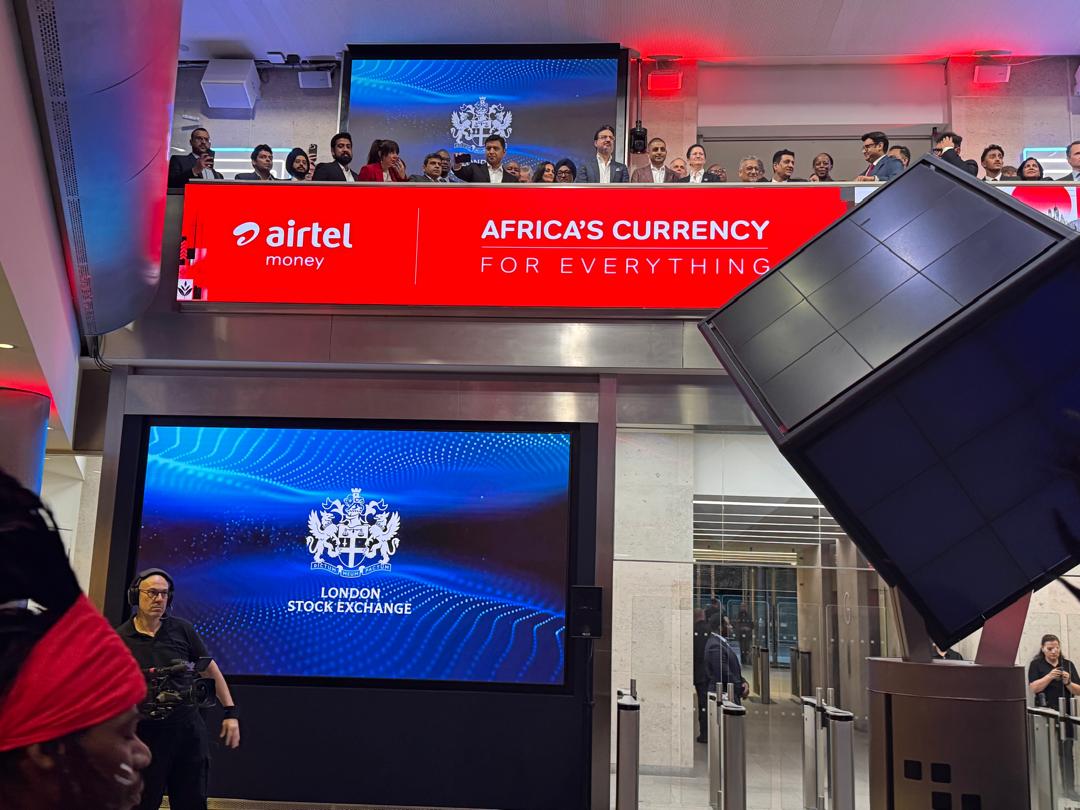
Airtel Money Debuts on London Stock Exchange at £5.3 Billion Valuation
Airtel Money has debuted on the London Stock Exchange in one of the largest African listings in years, with a planned secondary listing in Lagos.
JPMorgan Misses as Goldman and Citi Post Strong Third-Quarter Results
JPMorgan missed expectations as Goldman Sachs and Citigroup posted strong results in a mixed opening to the US bank earnings season.
About the author
Adaeze Okonkwo
Markets Editor
Adaeze Okonkwo writes for BusinessPress.


