
JPMorgan Misses as Goldman and Citi Post Strong Third-Quarter Results
JPMorgan missed expectations as Goldman Sachs and Citigroup posted strong results in a mixed opening to the US bank earnings season.
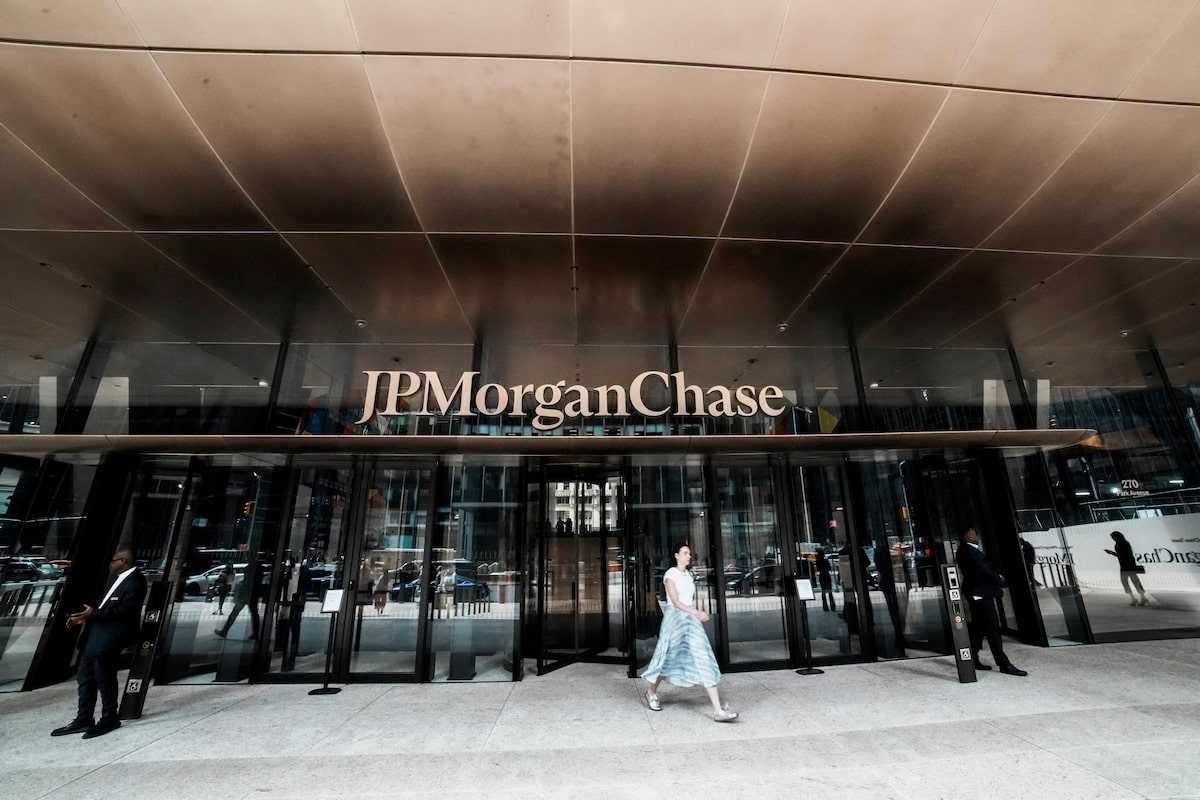
Wall Street's largest banks opened the third-quarter earnings season with a mixed set of results, as JPMorgan Chase missed expectations while Goldman Sachs and Citigroup delivered strong performances, underscoring how unevenly the benefits of the current market environment are being distributed.
JPMorgan reported earnings per share of $5.57, below the $5.93 that analysts had expected, a rare miss for a bank that has consistently outperformed its peers. Goldman Sachs, by contrast, reported a profit of $5.29 billion and earnings per share of $17.01, up 29 per cent year-on-year, on revenue of $18.68 billion. Its equities trading business was a standout, with revenue up 72 per cent.
Who won and why
The divergence reflects different business mixes. Goldman's heavy exposure to trading and investment banking allowed it to capitalise on volatile markets and a rebound in dealmaking. Citigroup reported net income of $5.2 billion and earnings per share of $2.85, up 17 per cent, with a return on tangible common equity of 11.5 per cent — a sign that its long restructuring is bearing fruit. Wells Fargo beat expectations with earnings per share of $1.87.
JPMorgan, the largest and most diversified of the US banks, faced pressure from higher costs and from provisions for credit losses, a reminder that even the strongest institutions are not immune to a slowing economy and rising consumer stress.
Trading floors and deal pipelines are booming, but the consumer side of banking is showing strain. That split tells the story of this earnings season.
The macro backdrop
The results landed against a backdrop of falling interest rates in the United States. Lower rates squeeze net interest income — the difference between what banks pay depositors and earn on loans — but they also stimulate dealmaking, trading and lending. The banks that rely more on fees and trading have benefited; those more dependent on the spread between deposit and loan rates have found conditions tougher.
Credit quality is the key variable to watch. After several years of remarkably low loan losses, banks are beginning to set aside more for potential defaults, particularly in consumer credit. If unemployment rises, provisions could climb further, eroding profits.
What it means globally
US bank earnings matter far beyond Wall Street. They are a bellwether for global growth, credit conditions and investor risk appetite. Strong trading revenues signal confidence; rising provisions signal caution. For emerging markets such as Nigeria, US monetary policy and bank sentiment influence the flow of capital and the cost of borrowing.
The mixed quarter suggests an economy in transition: profitable for those positioned in markets, but strained for households and lenders exposed to them. As the season unfolds, investors will look for clarity on which of those forces is winning.
Up next
IMF Warns AI Could Disrupt 40% of Jobs Worldwide
The IMF has warned that AI could disrupt about 40% of jobs worldwide, urging governments to prepare workers and share the gains from the technology.
More in Markets
See all
Fitch Revises Nigeria's Credit Outlook to Positive as Reserves Reach $54.9bn
Fitch Ratings has revised Nigeria's credit outlook to Positive from Stable, citing sustained reforms, disinflation and improved foreign reserves of $54.9 billion.
Dangote Refinery Extends $1.6 Billion IPO by Two Weeks as Demand Surges
Dangote Petroleum Refinery has pushed the close of its $1.6 billion IPO to October 27, giving investors more time to subscribe to Africa's biggest listing.
Profit-Taking Wipes Value Off NGX as All-Share Index Slips 0.09%
Nigeria's equities market fell for a second straight session on October 13, with the All-Share Index slipping 0.09% as investors booked profits in large-cap stocks after a record run.
About the author
Adaeze Okonkwo
Markets Editor
Adaeze Okonkwo writes for BusinessPress.
More by Adaeze Okonkwo


