Naira Weakens as Official-Parallel Market Gap Widens Again
The official NFEM rate moved only N1.5 against the naira, but the parallel-market rate weakened by N4 from the previous weekend and the...

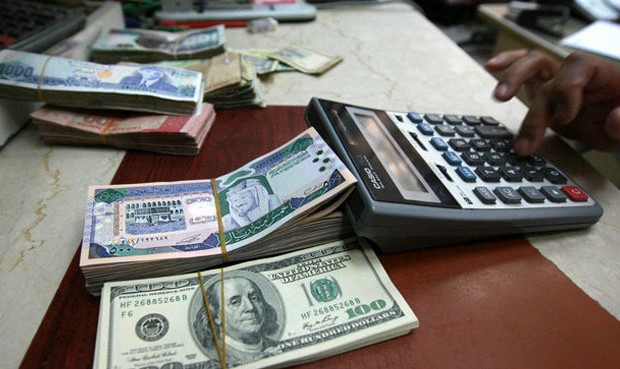
The naira came under renewed pressure on Monday, with the currency weakening in both the parallel market and the Nigerian Foreign Exchange Market as activity in the official window also dropped sharply.
The naira traded at N1,382 per dollar in the parallel market, compared with N1,378 at the end of last week. In NFEM, the indicative rate weakened to N1,331.5 per dollar from N1,330. The movements widened the difference between the two markets to N50.5 per dollar from N48. ([turn0search0])
The Gap Is Starting to Matter Again
The widening spread is an important part of the latest FX movement.
At N50.5 per dollar, the difference between the parallel and NFEM rates has increased by N2.5 from last Friday. A wider gap can make price discovery more complicated for businesses that need to plan around foreign-currency costs.
Importers, manufacturers and other businesses exposed to dollar-denominated expenses have to monitor both the official reference rate and the rates available outside the formal market.
The immediate movement does not by itself establish a sustained trend, but it shows that the two pricing windows are moving further apart.
NFEM Activity Falls Sharply
The more notable development came from trading activity in NFEM.
Interbank turnover fell 77.7 per cent to $24.73 million from $111.06 million at the end of last week, according to the latest market data. ([turn0search0])
That is a significant reduction in reported turnover, although turnover alone does not establish whether there was a shortage of dollars, weaker demand or another change in market participation.
It does, however, show that the latest exchange-rate movement occurred alongside considerably lower transaction value in the formal market.
Businesses Face Another Pricing Variable
For companies with significant imported inputs, the exchange-rate gap can feed directly into pricing decisions.
A manufacturer that sources machinery, raw materials or other inputs in dollars has to determine which exchange rate is relevant to its actual transaction. Where access to official-market liquidity is limited, the parallel rate can become an important reference for replacement costs.
That can complicate inventory pricing and working-capital planning, particularly for businesses already dealing with high financing and operating costs.
The Market Needs More Than a Stable Reference Rate
Nigeria's FX reforms have sought to bring transactions into a more transparent market structure, making the relationship between formal-market liquidity and exchange-rate pricing increasingly important.
The latest figures show why that process remains closely watched. The official NFEM rate moved only N1.5 against the naira, but the parallel-market rate weakened by N4 from the previous weekend and the spread widened.
That difference matters because the effectiveness of a unified FX market is not measured only by the headline rate. It is also reflected in how closely different market prices track one another and how much genuine trading activity supports the official rate.
The Next Signal Is Liquidity
The latest depreciation is relatively modest in percentage terms, but the fall in NFEM turnover provides another variable to watch.
If official-market activity recovers while the spread narrows, the latest divergence could prove temporary. If lower turnover persists alongside a wider gap, businesses may face greater uncertainty over the cost and availability of foreign exchange.
For now, the naira's latest move is less about the size of the depreciation than the combination of a weaker currency, a wider market gap and sharply lower NFEM turnover . That combination will be the key market signal to watch in the next trading sessions.
Up next
NGX market capitalisation tops N164 trillion on bank-led rally
A sustained run in financial-sector stocks lifted the value of the Nigerian Exchange to a record N164 trillion at the end of September, capping one of the strongest equity rallies in years.
More in Markets
See all
Fitch Revises Nigeria's Credit Outlook to Positive as Reserves Reach $54.9bn
Fitch Ratings has revised Nigeria's credit outlook to Positive from Stable, citing sustained reforms, disinflation and improved foreign reserves of $54.9 billion.

Dangote Refinery Extends $1.6 Billion IPO by Two Weeks as Demand Surges
Dangote Petroleum Refinery has pushed the close of its $1.6 billion IPO to October 27, giving investors more time to subscribe to Africa's biggest listing.
Profit-Taking Wipes Value Off NGX as All-Share Index Slips 0.09%
Nigeria's equities market fell for a second straight session on October 13, with the All-Share Index slipping 0.09% as investors booked profits in large-cap stocks after a record run.
About the author
Adaeze Okonkwo
Markets Editor
Adaeze Okonkwo writes for BusinessPress.