Niger Delta $500 Million Farm Fund Targets Food Security, Private Capital
Nigeria has launched a $500 million agriculture investment fund for the Niger Delta, pooling development finance and private capital to modernise farming and strengthen food security in the oil-producing region.
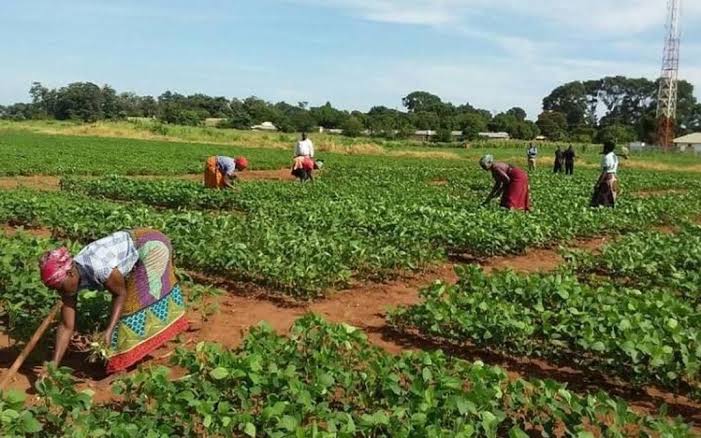
Nigeria has launched a $500 million agriculture investment fund aimed at the Niger Delta, designed to draw development finance and private capital into commercial farming, livestock and fisheries across the oil-producing region.
Vice President Kashim Shettima unveiled the fund in July 2026, describing it as a commercially oriented vehicle rather than a subsidy programme. The fund is intended to pool resources from institutions including the World Bank, the African Development Bank and the Islamic Development Bank alongside private investors.
Focus areas
Target sectors include staple crop production, aquaculture, palm oil and livestock, with an emphasis on processing and value addition rather than raw commodity output. The fund is part of a broader federal push to raise agricultural productivity and reduce the country's reliance on food imports.
Officials say the fund is structured to earn returns, a deliberate shift from grant-dependent agricultural programmes that have struggled to scale.
Complementing existing programmes
The initiative dovetails with the World Bank-backed AGROW programme, a $500 million credit approved in 2026 to support smallholder farmers in Nigeria. AGROW is designed to run for six years from 2026 to 2032, reach up to one million smallholders and mobilise about $220 million in private capital. It covers rice, maize, cassava and soybean value chains and includes a digital farm registry to improve targeting and credit access.
Nigeria has also moved to mechanise farming at scale, with a plan to deploy 10,000 tractors over five years, a response to chronically low levels of mechanisation that limit yields.
Why the Niger Delta
The Niger Delta is better known for oil and gas than for agriculture, but it holds vast arable land, abundant water and a climate suited to high-value crops and fish farming. Decades of oil pollution and underinvestment have suppressed that potential. A dedicated fund, if properly governed, could diversify the region's economy and create jobs beyond the petroleum sector.
The central risks are familiar: governance, transparency and the ability to identify bankable projects. Development finance can anchor a fund, but its success will depend on whether private investors follow and whether farmers see real gains in productivity and income.
Up next
Nigerian Startups Raise $254 Million in H1 2026, Regaining Africa Equity Lead
Nigerian startups attracted about $254 million in the first half of 2026, the first time funding has crossed the $250 million mark since 2022, as the country reclaimed its position as Africa's leading destination for startup equity.
More in Agriculture
See allLivestock Ministry Moves to Secure Single-Digit Loans for Farmers
Affordable Credit Becomes a Sector Priority Maiha said the ministry will work with the finance ministry and the CBN to secure loans with...
Olam Pushes Youth Skills and Aquaculture Expansion in Nigeria
The proposal centres on training and deploying more National Youth Service Corps members to farms, giving young graduates direct...
Nigeria Unveils $7.1 Billion Sugar Master Plan to Cut Imports and Create 110,000 Jobs
The National Sugar Development Council has unveiled a $7.1 billion, ten-year investment plan to lift annual sugar production above two million tonnes and cut reliance on imports.
About the author
Tunde Balogun
Economics Correspondent
Tunde Balogun writes for BusinessPress.
More by Tunde Balogun
Nigeria Spent $1.82bn Servicing External Debt in First Half of 2026
Economy42 mins ago
G-24 Warns Developing Nations Pay $500bn More for Debt Than Rich Countries
Economy45 mins ago
Nigeria Risks $1bn Export Loss Over EU Deforestation Rules, NEPC Warns
Economy47 mins ago