Nigeria Spent $1.82bn Servicing External Debt in First Half of 2026
Nigeria's external debt service fell year-on-year in the first half of 2026, but domestic debt obligations continued to dwarf the foreign bill, DMO data shows.
Nigeria spent about $1.82 billion servicing its external debt in the first half of 2026, data from the Debt Management Office (DMO) shows, as falling multilateral repayments eased the burden even as domestic debt service continued to dwarf the foreign bill.
The external figure covers January to June and reflects a marked year-on-year decline in payments to multilateral and bilateral creditors, which offset higher interest costs on market-related borrowing.
A lighter external bill
External debt service had fallen 31 per cent year-on-year to $954.1 million in the first quarter alone, according to DMO data. The sharp decline was driven mainly by a 53 per cent reduction in non-market-related payments to $452.2 million, as repayments to multilateral lenders dropped to $271.9 million from $727.2 million a year earlier. Bilateral repayments fell 23 per cent to $180.3 million.
Market-related payments, by contrast, rose to $501.8 million from $431.6 million, lifted by interest and fees linked to a syndicated facility from First Abu Dhabi Bank. Analysts expect further repayments to the UAE lender under a $5 billion debt-swap arrangement, of which $1.5 billion has already been disbursed.
The domestic side is the real weight
External debt is not where Nigeria's fiscal pain lies. Domestic debt service obligations over the same period amounted to roughly N3.1 trillion, or about 2.4 times the cost of servicing external debt. Because nearly half of the country's external debt is owed to multilateral and bilateral creditors that offer longer maturities and lower rates, the foreign portfolio is comparatively cheap.
The heavy reliance on domestic borrowing reflects the government's limited access to affordable external finance and the deep appetite of local pension funds and banks for high-yielding FGN bonds.
Business Insight
For investors, the takeaway is twofold. First, Nigeria's external debt is structurally manageable — a sign of resilience against global shocks. Second, and more troubling, the domestic borrowing that funds the deficit crowds out private-sector credit by keeping the government in constant competition for naira liquidity, which helps explain why businesses still complain about the cost of capital despite falling inflation.
The composition of the debt also matters for the naira. External debt service is a direct draw on foreign exchange, but at current levels it consumes only a fraction of the reserves being accumulated. The domestic bill, paid in naira, is a budget problem rather than a currency one.
Background
Nigeria's total public debt has risen steadily, crossing N166 trillion in the most recent DMO reading, with domestic borrowing the dominant share. The government has leaned on FGN bonds, savings bonds, sukuk and treasury bills to finance successive deficits, even as revenue as a share of GDP remains low by regional standards.
The DMO has already signalled heavier borrowing ahead, scheduling bond auctions worth N5.75 trillion for the fourth quarter of 2026 alone.
Conclusion
Nigeria's external debt service is becoming lighter and cheaper, a quiet positive for the country's external position. The larger question is the domestic bill, which continues to absorb revenue that could otherwise fund infrastructure and social spending — and which the authorities have not yet shown they can bring down.
Up next
G-24 Warns Developing Nations Pay $500bn More for Debt Than Rich Countries
G-24 chair Taiwo Oyedele said developing countries pay about $500 billion more for debt than developed economies, urging cheaper IMF and World Bank financing.
More in Economy
See all
CBN Cuts Monetary Policy Rate to 23% in Its Largest-Ever Easing Move
The Central Bank of Nigeria lowered its benchmark interest rate by 350 basis points on September 22, 2026, the steepest cut on record, as inflation eased for a third straight month and reserves strengthened.
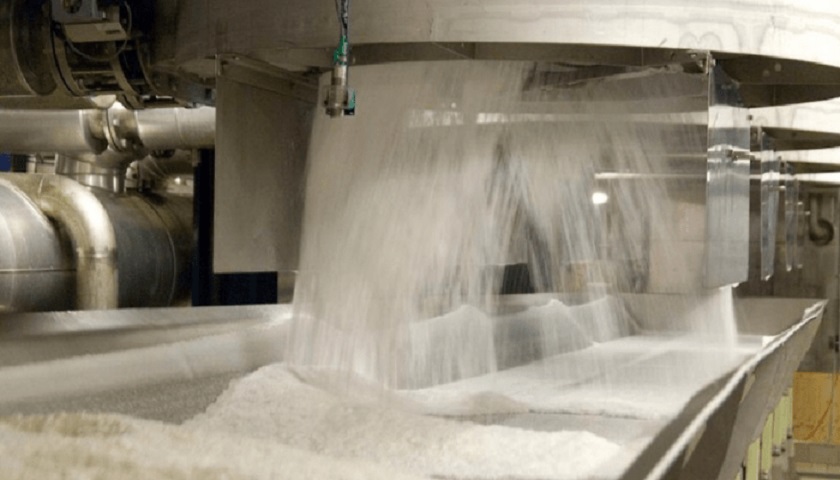
Nigeria Unveils $7.1 Billion Sugar Master Plan to Cut Imports and Create 110,000 Jobs
The National Sugar Development Council has unveiled a $7.1 billion, ten-year investment plan to lift annual sugar production above two million tonnes and cut reliance on imports.

Nigeria's Foreign Direct Investment Plunges 92% to $11 Million in September
Nigeria's foreign direct investment fell 92% month-on-month to $11 million in September, highlighting the gap between hot portfolio money and long-term capital commitments.
About the author
Tunde Balogun
Economics Correspondent
Tunde Balogun writes for BusinessPress.
More by Tunde Balogun