Nigeria Unveils $7.1 Billion Sugar Master Plan to Cut Imports and Create 110,000 Jobs
The National Sugar Development Council has unveiled a $7.1 billion, ten-year investment plan to lift annual sugar production above two million tonnes and cut reliance on imports.
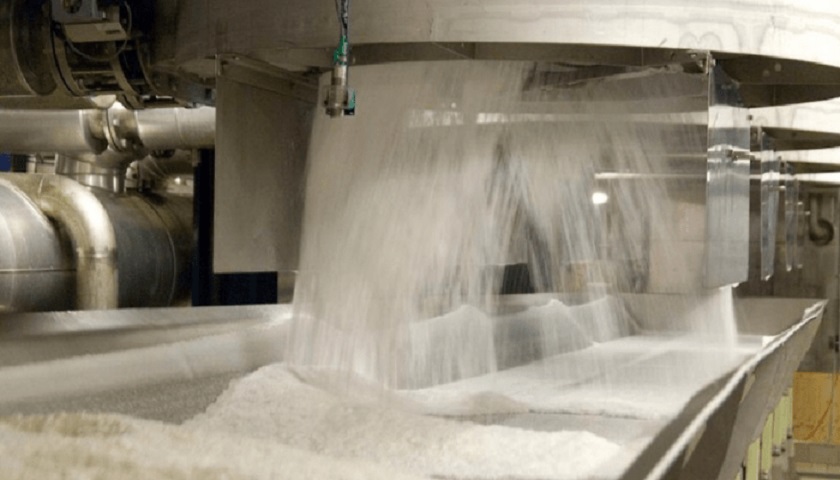
Nigeria's National Sugar Development Council has unveiled a $7.1 billion, ten-year investment programme aimed at lifting annual sugar production above two million metric tonnes, cutting the country's dependence on imports and creating about 110,000 direct and indirect jobs.
The plan, presented to industry stakeholders in Abuja, projects $2.1 billion in equity investment and $5 billion in long-term debt and development capital. It includes ten new greenfield sugar estates and is designed to save an estimated $2.1 billion in foreign exchange annually once output scales up.
A sector long dependent on imports
Nigeria consumes about 1.8 million tonnes of sugar a year, but more than 97 per cent of that supply arrives as imported raw sugar that is refined locally. The reliance drains foreign reserves, leaves the domestic market exposed to global price swings and means that a commodity which could support thousands of farmers and factory workers is largely value-added abroad.
The council's executive secretary, Kamar Bakrin, framed the programme as an attempt to reverse that structure. The plan envisages expanding existing estates and developing new ones, backed by financing from development institutions and private promoters. Success would depend on access to bankable capital, reliable power, irrigation and transport links, and a regulatory regime that discourages importers from undercutting local production.
Self-sufficiency in sugar is not only an agricultural ambition. It is an industrial and foreign-exchange strategy wrapped into one.
Backward integration and its limits
Nigeria's sugar policy has for years relied on a backward-integration model, under which importers commit to developing local plantations in exchange for import rights. The record has been mixed: some operators made progress, others lagged, and enforcement has been uneven. Industry groups have warned that excessive imports by incumbent operators could undermine the very local production the policy is meant to build.
The private sector's appetite will be tested. Sugar requires long gestation periods, heavy upfront capital and dependable infrastructure — all areas where Nigerian projects have historically struggled. Development finance, guarantees and partnerships with experienced international operators will be central to whether the $7.1 billion materialises.
The wider stakes
The programme sits within a broader push to diversify Nigeria's economy away from oil and to convert agriculture into an industrial engine. Sugar, like rice, cassava and palm oil, offers a template: import substitution that creates rural jobs, supports smallholder farmers and keeps foreign exchange at home.
But grand plans have foundered before on weak implementation. The measure of this one will be planting, milling and tonnes produced — not the size of the headline number. For a country trying to earn its way out of a foreign-exchange squeeze, the sugar master plan is a test of whether Nigeria can turn policy ambition into harvests.
Up next
Nigeria's Foreign Direct Investment Plunges 92% to $11 Million in September
Nigeria's foreign direct investment fell 92% month-on-month to $11 million in September, highlighting the gap between hot portfolio money and long-term capital commitments.
More in Economy
See all
CBN Cuts Monetary Policy Rate to 23% in Its Largest-Ever Easing Move
The Central Bank of Nigeria lowered its benchmark interest rate by 350 basis points on September 22, 2026, the steepest cut on record, as inflation eased for a third straight month and reserves strengthened.

Nigeria's Poverty Rate Rises to 38.7% as Global MPI Tops 1.2 Billion People
Nigeria's poverty rate rose to 38.7% in 2024 from about 33% in 2021, according to the 2026 Global Multidimensional Poverty Index, which recorded the first global rise since 2010.

Marketers Seek Extension of Petrol Discount as MRS Adjusts Pump Prices
Independent marketers are pressing for an extension of the 30-day petrol discount, warning of fresh price increases when the window lapses.
About the author
Tunde Balogun
Economics Correspondent
Tunde Balogun writes for BusinessPress.
More by Tunde Balogun