Oil Climbs to $107 as Middle East Attacks Threaten Supply
Brent crude rose to about $107 a barrel as Middle East attacks threatened supply through the Strait of Hormuz, a windfall and a cost for Nigeria.
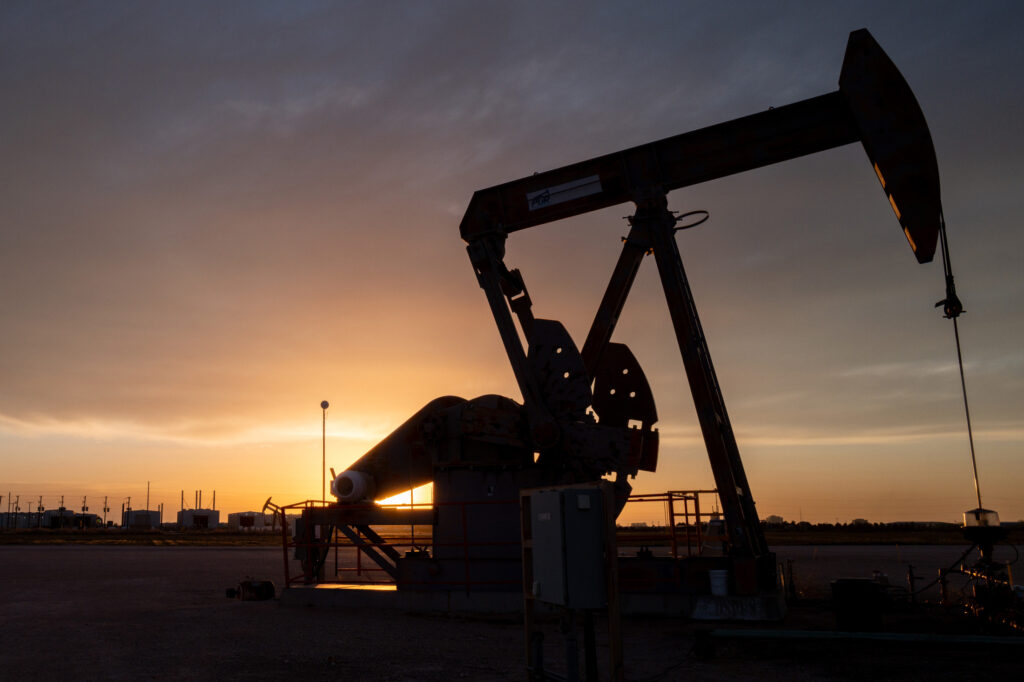
Oil prices have climbed to around $107 a barrel as escalating attacks in the Middle East threaten supply through the Strait of Hormuz, delivering a windfall to Nigeria's export earnings while simultaneously raising the cost of the fuel it imports.
Brent crude futures rose $1.40, or 1.35 per cent, to $107.35 a barrel, while US West Texas Intermediate gained $1.24, or 1.32 per cent, to $95.38, according to market data on October 14.
A conflict with no clear end
The latest leg of the rally follows an intensification of fighting involving Yemen's Iran-backed Houthis, who have stepped up strikes on Saudi Arabia. A missile attack on Riyadh's international airport killed 13 people and wounded more than 300, and further attacks on Saudi facilities have been reported since.
At sea, tankers have been attacked near the Strait of Hormuz and off Oman, raising fears that the world's most important oil chokepoint could be disrupted. A substantial share of global crude exports passes through the strait, and any sustained interruption would tighten an already fragile market.
US President Donald Trump has said the United States was considering joining Saudi strikes on the Houthis, while also suggesting the wider conflict with Iran would not end before November's midterm elections. That signal reduces the prospect of a near-term de-escalation.
Rally built on a risk premium
Analysts estimate the geopolitical risk premium embedded in oil prices at more than $20 a barrel. Goldman Sachs raised its Brent price forecast for December to $90 a barrel from $85, while cautioning that the market's base case — gradual adaptation of Middle East supply — points to lower prices over time, even as the risk of renewed escalation poses significant upside risk.
Brent is up more than 70 per cent this year, though it remains below its wartime peak of $126 a barrel reached in April. Prices for natural gas and diesel have also surged.
Business Insight
For Nigeria, high oil prices are a double-edged sword. On one side, they lift the value of crude exports, which provide the bulk of government revenue and foreign exchange. Every sustained increase in the oil price improves the fiscal position and bolsters reserves, which have already reached an all-time high of $55.07 billion.
On the other side, Nigeria imports most of the refined petroleum products it consumes, so higher crude prices raise the cost of petrol, diesel and aviation fuel. That cost flows through the economy into transport, food and manufacturing, and it increases the subsidy-like burden the government carries when it intervenes to cushion pump prices.
The net benefit depends on the balance between crude export volumes and refined-product import volumes. A producer with strong domestic refining capacity captures more of the upside; a country that exports crude and imports fuel gives back much of the gain through the import bill.
For Nigerian businesses, the immediate effect is higher energy and logistics costs, which squeeze margins and feed inflation. For oil and gas companies, the effect is higher revenues and stronger cash flows.
Background
Oil markets have been volatile throughout 2026, driven by the conflict between the US, Israel and Iran, attacks on shipping, and supply disruptions in Saudi Arabia. Nigeria, a member of OPEC, has benefited from higher prices even as it has struggled to raise its own production, which averaged 1.77 million barrels per day in 2025 — a five-year high but still below its OPEC quota.
Conclusion
Oil at $107 is welcome news for Nigeria's revenue and reserves, but the benefit is diminished by the country's reliance on imported fuel. The higher prices rise, the more Nigeria's refining capacity — rather than its crude endowment — becomes the factor that determines whether it is a net winner. For as long as that capacity lags, high oil prices will be a mixed blessing.
Up next
African Women Founders Get Less Than 1% of Startup Funding
Female-founded startups receive less than 1% of African venture funding, research shows, even as Nigerian startups raised $254 million in the first half of 2026.
More in Markets
See all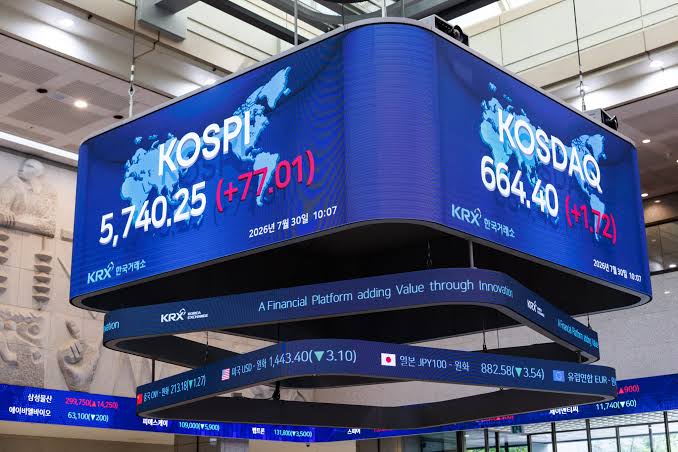
Allan Gray Favours Nigerian Stocks Over South Korea's Kospi
South Africa's Allan Gray is favouring Nigerian equities over South Korea's Kospi, arguing Nigeria's rally is broad-based while the Kospi is narrowly concentrated.
Multi-Trex Shares Gain 17.95% After NGX Ends 8-Year Suspension
Multi-Trex Integrated Foods shares have risen 17.95% since the NGX lifted an eight-year trading suspension, even as the cocoa processor remains loss-making.

NGX Sheds N144.54bn as Profit-Taking Persists
The NGX All-Share Index fell 0.09% to 247,513.63 as profit-taking in heavyweight stocks wiped N144.54 billion off market capitalisation.
About the author
Adaeze Okonkwo
Markets Editor
Adaeze Okonkwo writes for BusinessPress.