Hot US Inflation Jolts Global Markets as Fed Rate-Hike Bets Jump
US consumer prices rose 3.7 per cent year on year in September, above expectations, jolting global markets and lifting bets that the Federal Reserve may raise rates.
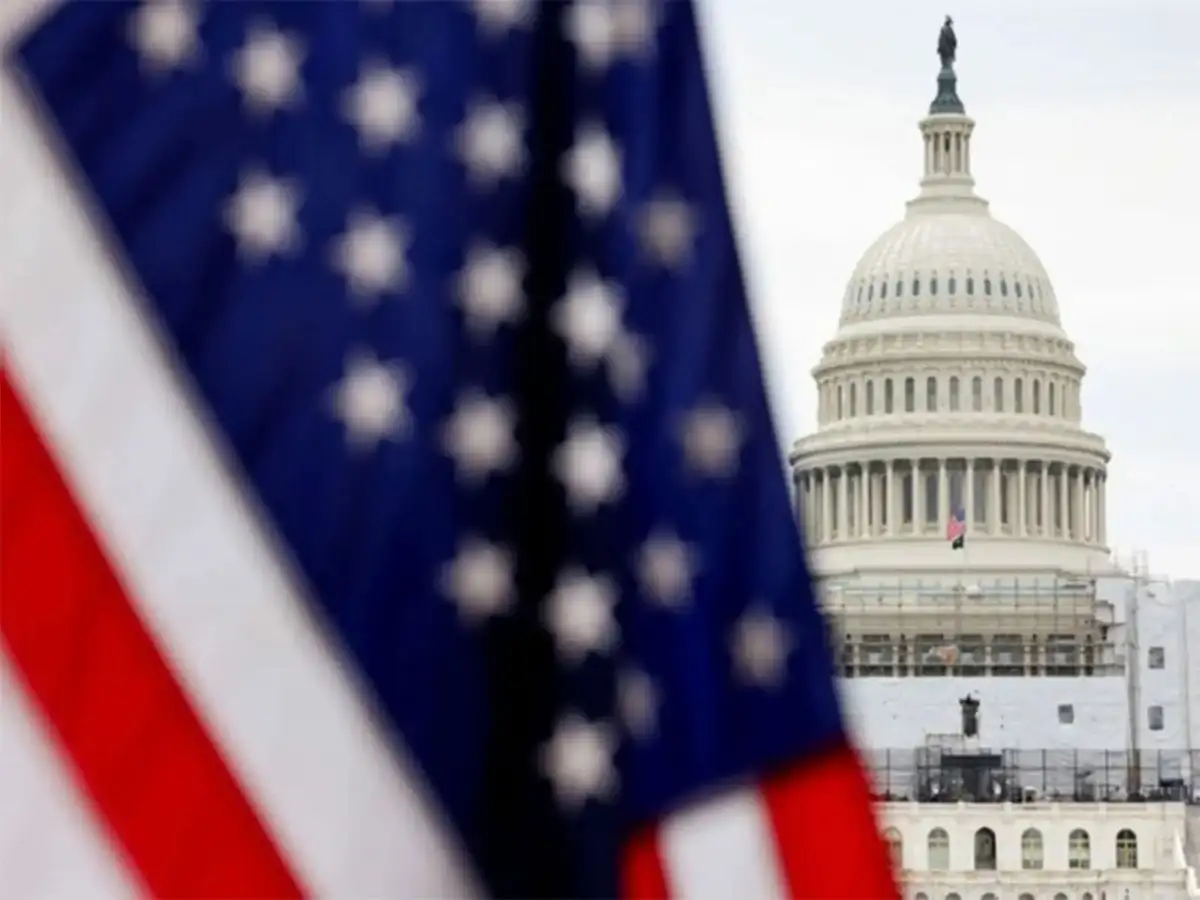
A hotter-than-expected United States inflation reading jolted global financial markets on Wednesday, pushing American stocks to their worst session in weeks and lifting bets that the Federal Reserve may need to raise interest rates rather than cut them.
United States consumer prices rose 3.7 per cent in September from a year earlier, above the 3.6 per cent economists had expected, while the month-on-month increase came in at 0.6 per cent. Core inflation, which strips out food and energy, rose 0.3 per cent on the month and 2.6 per cent over the year. The figures suggested that price pressures in the world's largest economy are proving more persistent than policymakers anticipated.
Wall Street responded sharply. The S&P 500 fell 1.11 per cent to 7,718.94, its worst day since July 29. The technology-heavy Nasdaq dropped 1.88 per cent to 26,692.87, its steepest decline since July 23, while the Dow Jones Industrial Average slipped 0.09 per cent to 51,621.48. The divergence between the Nasdaq and the Dow reflected how heavily the sell-off was concentrated in growth and artificial-intelligence-linked shares.
The Fed repricing
The inflation surprise immediately reshaped expectations for monetary policy. Traders increased the probability they assign to a Federal Reserve rate increase, a striking reversal in a year when markets had anticipated cuts. The repricing rippled through the bond market, with the yield on the two-year Treasury, which is especially sensitive to rate expectations, climbing toward 4.80 per cent and the ten-year yield pushing higher as well.
When the market entertains the possibility of higher rates, the consequences are felt well beyond America. Higher US yields strengthen the dollar, draw capital toward dollar assets and tighten global financial conditions, which is precisely the environment that emerging markets find most difficult.
Oil, gold and the dollar
Commodity markets told their own story. Oil prices moved higher, with Brent crude around $106 a barrel and West Texas Intermediate near $95, supported by Middle East tensions. Reports of attacks linked to Houthi forces on Saudi Aramco facilities reinforced concerns about supply security, and the International Energy Agency added a warning about the availability of diesel, a fuel on which industry, transport and agriculture depend.
Gold, typically a beneficiary of uncertainty, fell instead, slipping more than 1 per cent to around $4,103 an ounce, as higher real yields and dollar strength made the metal less attractive to hold. The moves showed how thoroughly the inflation print dominated the day's trading.
The winners and losers on Wall Street
Within the sell-off, the pain was uneven. Bank of America fell 5.3 per cent after being hit with about $1.2 billion in fines, while Morgan Stanley dropped 3.5 per cent. AI-linked names suffered some of the steepest falls, with Oracle down 8.8 per cent and CoreWeave down 15 per cent, as investors reassessed the valuations they had placed on companies tied to the artificial-intelligence boom in a world of higher-for-longer interest rates.
What it means for Nigeria
For Nigeria, the day's developments cut in two directions. Higher oil prices are a positive for a country whose revenues and foreign exchange earnings are tied to crude exports; a Brent price near $106 a barrel, if sustained, supports the fiscal account and the central bank's ability to defend the naira. But higher US interest rates strengthen the dollar and dim the appeal of emerging-market assets, which can slow portfolio inflows and add to the cost of external borrowing.
The combination of firm oil prices and tighter global financial conditions is a familiar and awkward one for Nigeria, offering support on the export side while raising pressure on capital flows and imported inflation. Nigerian investors and policymakers will be watching whether the inflation surprise is a one-off or the start of a more stubborn trend, because the answer will shape the Fed's path and, with it, the cost of global money for months to come.
Up next
Nigeria's Petrol Subsidy Debate: What the IMF's Warning Really Says
The IMF used its fiscal monitor briefing to warn against restoring broad fuel subsidies. This analysis examines the fiscal arithmetic, the politics and the realistic path for Nigeria.
More in Markets
See all
DMO Raises N450 Billion in Treasury Bills as Primary Market Pipeline Tops N3 Trillion
The Debt Management Office raised N450 billion at its treasury bills auction on Wednesday, leaning on the 364-day tenor as the market's primary pipeline climbed above N3 trillion.
NGX Rebounds as Banking and Small-Cap Stocks Lift Market Value by N103.9 Billion
The Nigerian Exchange closed higher on Wednesday as late buying in banking and selected industrial counters lifted market value by N103.90 billion, ending two sessions of declines.
Allan Gray Favours Nigerian Stocks Over South Korea's Kospi
South Africa's Allan Gray is favouring Nigerian equities over South Korea's Kospi, arguing Nigeria's rally is broad-based while the Kospi is narrowly concentrated.
About the author
Adaeze Okonkwo
Markets Editor
Adaeze Okonkwo writes for BusinessPress.