Trump Waives New Russia Sanctions Before Tariff Deadline, Citing National Interest
President Donald Trump has signed an executive order waiving most of the new Russia sanctions and tariffs Congress passed in the Graham Act, acting two days before the implementation deadline and citing the national interest.
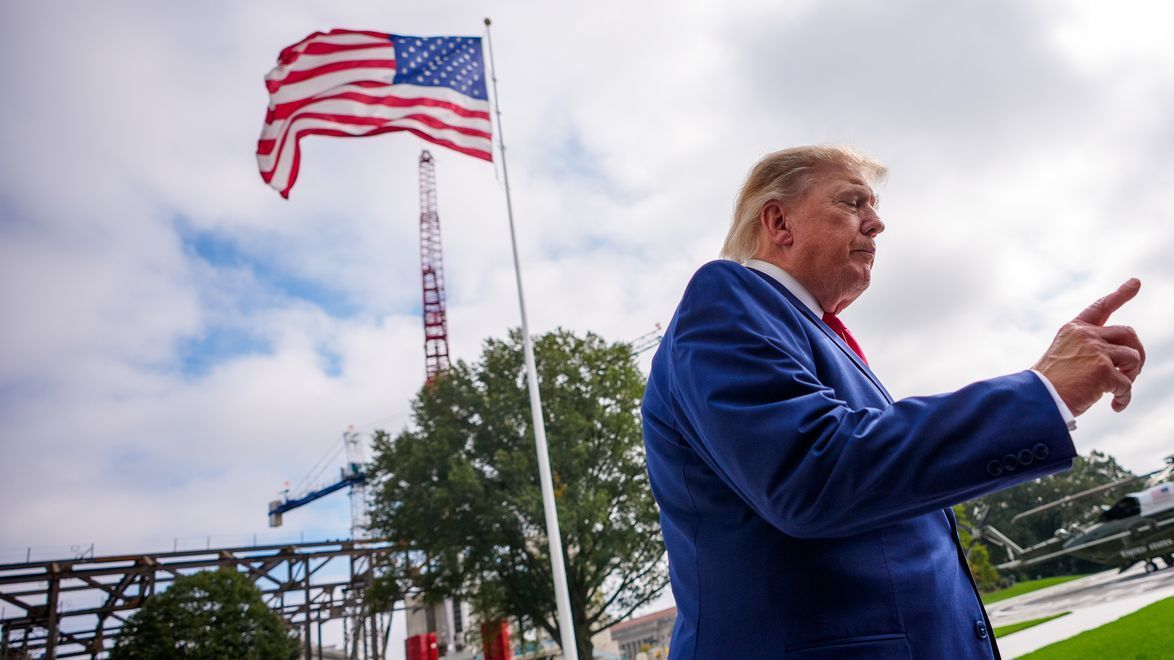
President Donald Trump signed an executive order on Friday putting on hold most of the sweeping new Russia sanctions package that Congress passed with bipartisan majorities and that he himself signed into law last month, telling lawmakers the pause was in the national interest.
The order, titled "Implementing the Lindsey O. Graham Sanctioning Russia and Iran Act of 2026," was issued two days before the law's implementation deadline and waives the application of most of its sanctions provisions and duties, subject to a written certification and explanatory report submitted to Congress.
What was waived
The Graham Act, signed on September 18, had provided for sanctions on foreign persons and restrictions tied to Russia's financial system, along with duties on goods. Among the most consequential elements was a tariff regime the White House order had earlier set out: a 500 per cent duty on Russian goods, plus 100 per cent duties on the largest five importers of Russian crude oil and natural gas if they made new purchases on or after October 18, and 100 per cent duties on the top five facilitators of sanctions evasion.
The order waives those duties along with most of the act's sanctions sections, while explicitly preserving measures imposed under earlier executive orders addressing Russian activities, including all persons sanctioned under those orders. The waivers remain in effect until the president or the secretary of state, in consultation with treasury and trade officials, determine that further action is appropriate.
Timing that drew fury
The decision came just over a week after Trump announced that the United States had agreed to purchase diesel from Russia in an effort to bring down global energy prices, a disclosure that had already unsettled Ukraine's allies. Congressional Democrats condemned the waiver: Senator Richard Blumenthal said it had "nothing to do with our national security, and everything to do with sucking up to Vladimir Putin," and Representative Don Beyer called for Congress to revisit the law.
The legislation itself was named for the late Senator Lindsey Graham, who died in July after advocating tougher sanctions to pressure Russia over its war in Ukraine. Colleagues advanced the bill in tribute, making Trump's Friday reversal all the more striking on Capitol Hill, where midterm elections on November 3 have sharpened political tensions.
Why markets care
For oil markets, the waiver removes the immediate threat of tariffs on the five largest buyers of Russian crude, an action that traders had priced in part as a risk to global supply flows and freight patterns. The decision, combined with the continued war in the Gulf, keeps the market's attention on physical barrels: diesel availability, insurance costs and the price of crude as it approaches $110.
Currency and trade negotiators in import-dependent economies will also note that the earlier sanctions architecture remains intact, meaning the landscape for companies doing business with Russia changes less than the headline suggests.
What remains
The administration did not immediately explain in detail how pausing the package served the national interest beyond the certification submitted to Congress, and critics noted the absence of a public rationale. What is clear is that the most punitive tools in the new law are now dormant, revocable, and subject to the same geopolitical bargaining that produced them.
Up next
Oil Marketers Reject FG's Proposed N1,350 Petrol Price Ceiling
The Major Energies Marketers Association of Nigeria has rejected the federal government's proposed N1,350 per litre ceiling on petrol ex-gantry and landing costs, arguing that arbitrary price caps distort competition without fixing supply bottlenecks.
More in Markets
See all
NGX Ends Week 0.33% Lower as Banking Losses Offset Oil and Gas Gains
Nigerian equities fell 0.33% for the week to 247,539.73 points as the banking index shed 3.15%, while oil and gas stocks rose 3.13% and market breadth stayed positive.
Senegal Raises $582 Million on Regional Debt Market as Orders Hit 169%
Senegal raised 338.2 billion CFA francs, about $582 million, in its second regional bond issue of 2026, attracting subscriptions worth 169.1% of the amount offered across four maturities.
Renaissance Capital Values Dangote Refinery at N700.41, 33% Above IPO Price
Renaissance Capital Africa has raised its Dangote Petroleum Refinery valuation to N700.41 per share, a 33.4% premium to the N525 offer price, citing stronger refining margins.
About the author
Adaeze Okonkwo
Markets Editor
Adaeze Okonkwo writes for BusinessPress.