Brent Crude Hits Highest Level Since May After Tankers Struck by Mines in Hormuz
Brent crude jumped 3.7% to $109.86 a barrel after tankers were hit by mines in the Strait of Hormuz, the highest level since mid-May, prompting emergency supply measures from the IEA and the United States.
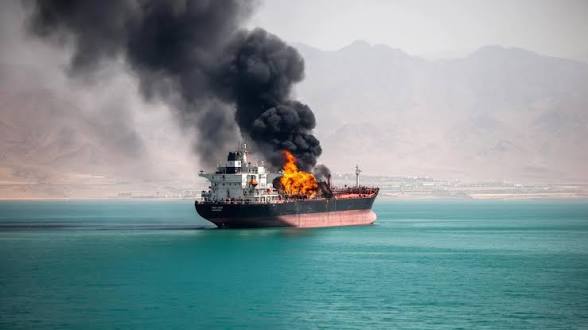
Brent crude oil rose 3.7 per cent on Friday to settle at $109.86 a barrel, its highest level since mid-May, after commercial tankers were struck by mines in the Strait of Hormuz, reawakening fears about the loss of supplies from one of the world's most important energy chokepoints.
US benchmark West Texas Intermediate climbed to $101.41 a barrel as the price jump sharpened a months-long surge driven by the war between the United States and Iran, now in its eighth month, which has repeatedly disrupted tanker traffic through the narrow waterway through which a significant share of the world's seaborne oil passes.
Mine strikes shake shipping through the strait
The mine attacks hit commercial vessels transiting the strait, according to shipping and security reports, in a conflict that has now seen container ships and tankers damaged or sunk in the waterway. Freight insurers have responded by raising premiums for Hormuz voyages, adding costs that flow quickly into the price of delivered crude.
Energy analytics firm Kpler estimated that about 9.4 million barrels a day of crude still move through the area, but traders said even a partial or temporary loss of those flows would be difficult to replace quickly. The strait remains the exit route for crude exports from Iran, Iraq, Kuwait, Qatar and much of the United Arab Emirates and Saudi Arabia's eastern terminals.
IEA and Washington move to steady markets
The International Energy Agency said member countries would make roughly 20 million barrels from emergency stockpiles available to keep the market supplied, while the US Department of Energy announced an exchange of 17 million barrels from the Strategic Petroleum Reserve. The measures were intended to signal that consumers would not be left without crude if flows through the strait deteriorate further.
Analysts said the announcements capped but did not reverse the price rise, because emergency stocks replace volume only for as long as the disruption lasts. "Strategic reserves are a bridge, not a new supply source," one London-based oil strategist said, adding that the market's focus would stay on whether tankers resume normal transits and how quickly war-risk insurance normalises.
What higher crude means for fuel buyers
For fuel importers and consumers in West Africa, the immediate consequence is a higher landed cost of petrol, diesel and aviation fuel, which are priced against global benchmarks and settled in dollars. Nigeria's petrol prices have already tracked crude higher since the May 2023 subsidy removal, and marketers have warned that costs above $100 a barrel undermine the government's recent efforts to hold down pump prices through discounts and a proposed price ceiling.
Airlines and transport operators face the same exposure through aviation fuel and diesel, both of which have climbed alongside crude since the Middle East fighting intensified. Freight and shipping costs through the region's ports add a further layer to import bills for landlocked and coastal economies alike.
Outlook
Prices are likely to stay hostage to headlines from the Gulf. A durable ceasefire that reopens normal tanker traffic would release the war-risk premium embedded in current prices; a further escalation, or attacks on loading terminals rather than transit vessels, could push Brent decisively above $110 again. Until then, consumers everywhere remain exposed to a crude market priced for war.
Up next
NSIA Innovation Prize Demo Day to Showcase 12 Nigerian Startups
The Nigeria Sovereign Investment Authority's NPI 4.0 Demo Day on October 24 will showcase 12 Nigerian startups competing for a share of a $275,000 prize pool, selected from more than 6,000 applications.
More in Markets
See all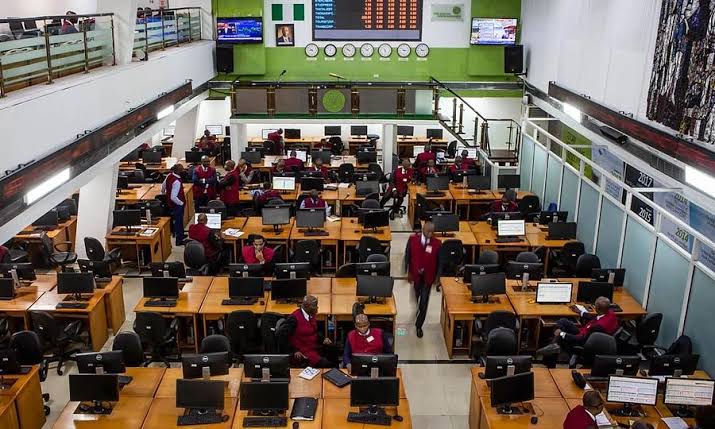
NGX Group Chairman Calls for 10 Million Investors in $1 Trillion Drive
NGX Group Chairman Umaru Kwairanga says the capital market is positioned to help drive Nigeria's $1 trillion economy target, with market capitalisation up more than threefold and a call to double the investor base to 10 million.
Seventeen Firms Pay N1.13 Trillion in Dividends in First Half of 2026
Seventeen companies listed on the Nigerian Exchange have paid or proposed dividends totalling N1.13 trillion in the first half of 2026, underscoring the cash return profile of Nigeria's largest listed companies.
NGX Ends Week 0.33% Lower as Banking Losses Offset Oil and Gas Gains
Nigerian equities fell 0.33% for the week to 247,539.73 points as the banking index shed 3.15%, while oil and gas stocks rose 3.13% and market breadth stayed positive.
About the author
Adaeze Okonkwo
Markets Editor
Adaeze Okonkwo writes for BusinessPress.