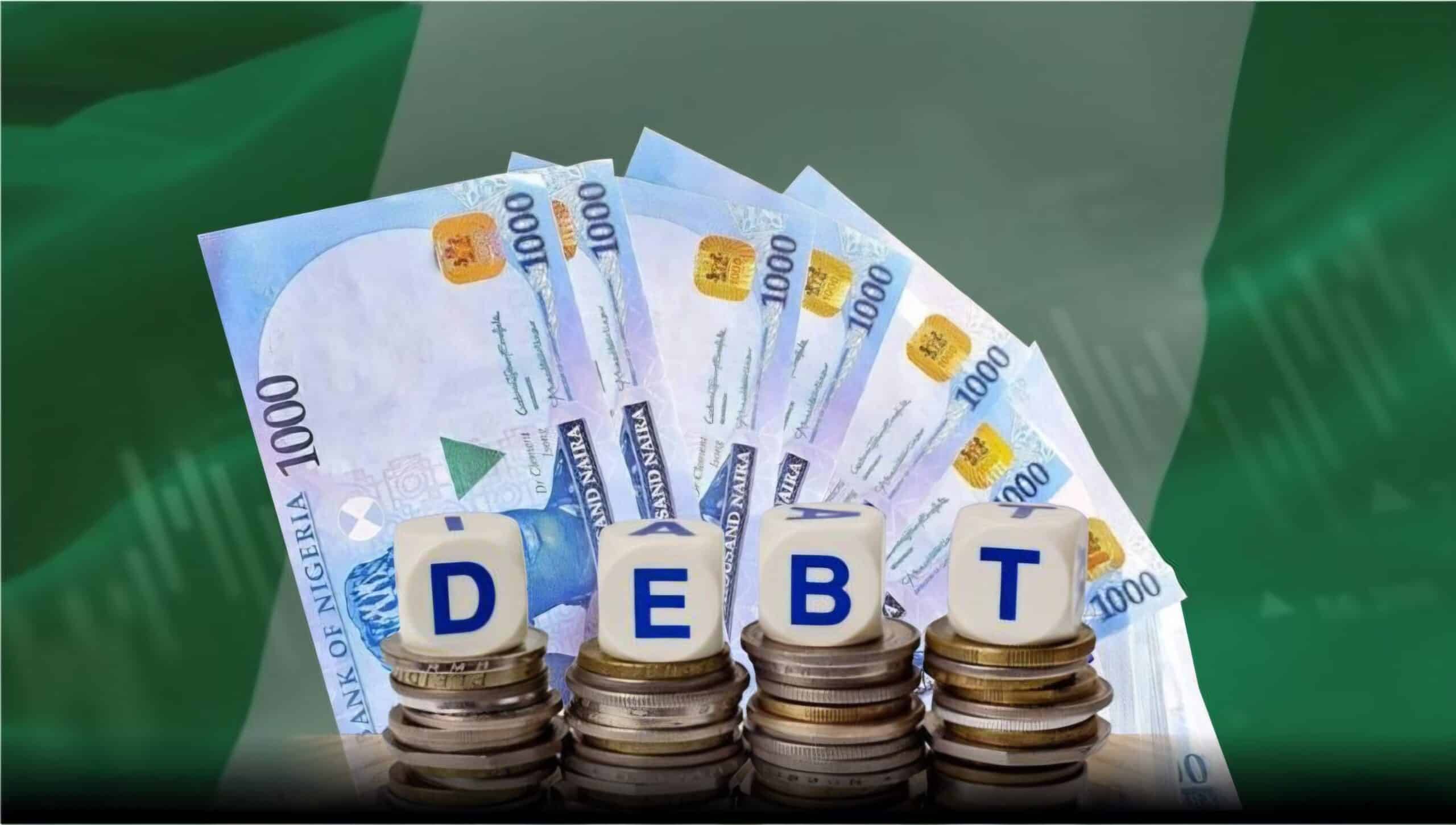
Nigeria spent N5.28tn on domestic debt service in H1 2026
Nigeria spent N5.28 trillion servicing domestic debt in the first half of 2026, with interest and rental payments accounting for N4.95 trillion, according to the Debt Management Office.
7 results for “fiscal”

Nigeria spent N5.28 trillion servicing domestic debt in the first half of 2026, with interest and rental payments accounting for N4.95 trillion, according to the Debt Management Office.

The three tiers of government shared N2.428 trillion for September 2026, up N90 billion from August, as gross statutory revenue rose 8.6% on higher oil receipts while VAT collections fell 2.2%.

Nigeria's monetary framework has delivered stability; converting it into durable growth is a harder, longer project that asks as much of fiscal policy and the market as of the central bank.

The IMF says Nigeria's improving growth outlook is not easing poverty fast enough, pressing for better-targeted spending and a broader revenue base.

The IMF used its fiscal monitor briefing to warn against restoring broad fuel subsidies. This analysis examines the fiscal arithmetic, the politics and the realistic path for Nigeria.

The Central Bank of Nigeria and the Federal Ministry of Finance have placed single-digit inflation at the centre of Nigeria's medium-term strategy, with Finance Minister Taiwo Oyedele estimating that achieving it would save more than $10 billion on 2026 figures.
Stronger collection is narrowing the gap between the fiscal deficit and its financing.