FAAC Shares N2.428 Trillion to FG, States, LGs as Oil Revenue Rebounds
The three tiers of government shared N2.428 trillion for September 2026, up N90 billion from August, as gross statutory revenue rose 8.6% on higher oil receipts while VAT collections fell 2.2%.
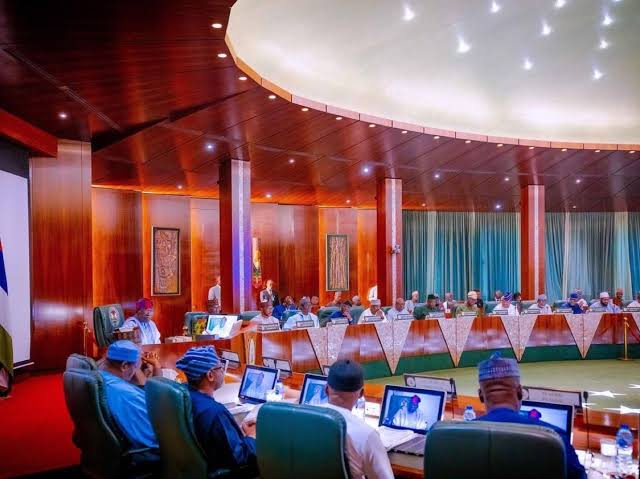
The Federal Government, 36 states and 774 local government councils shared N2.428 trillion from the Federation Account for September 2026, an increase of N90 billion, or 3.85 per cent, over the N2.338 trillion distributed at the previous meeting, driven by a rebound in petroleum-related statutory receipts even as value added tax collections fell. The allocation was approved at the October meeting of the Federation Account Allocation Committee (FAAC) held in Abuja.
The Office of the Accountant-General of the Federation disclosed the figures in a statement on Thursday by its director of press and public relations, Bawa Mokwa. Gross federation revenue for September reached N3.913 trillion, up N228 billion, or 6.2 per cent, from N3.685 trillion in August, but higher deductions meant only a fraction of that increase reached the three tiers of government.
Oil receipts lift statutory revenue as VAT slips
Gross statutory revenue rose by N246.384 billion, or about 8.6 per cent, to N3.096 trillion in September from N2.850 trillion in August, according to the FAAC communiqué. The recovery followed a sharp contraction in the preceding month, when statutory revenue had fallen by N1.508 trillion from the N4.359 trillion recorded in July.
The improvement was concentrated in oil-related lines. Petroleum profit tax, hydrocarbon tax, petroleum royalties, import duty, Common External Tariff levies and excise duty all recorded significant increases. Companies income tax, capital gains tax, stamp duties, VAT, mineral royalties and gas-flared penalties declined considerably over the same period.
Gross VAT collections, by contrast, fell by N17.972 billion, or 2.2 per cent, to N816.872 billion in September from N834.843 billion in August, reversing the N40.875 billion rise recorded between July and August. After deductions, distributable VAT came to N756.587 billion, down N16.646 billion from N773.233 billion at the September meeting, while distributable statutory revenue rose N107 billion, or 6.8 per cent, to N1.672 trillion.
How the N2.428 trillion was split
The total distributable amount of N2.428 trillion comprised N1.672 trillion in statutory revenue and N756.587 billion in VAT. The federal government received N832.242 billion, up N27.345 billion from N804.897 billion in the previous month. The 36 states got N799.872 billion, an increase of N5.559 billion, while the 774 local government councils received N560.660 billion, N5.518 billion more than in August.
Benefiting oil-producing states shared N236.049 billion as derivation revenue, representing 13 per cent of mineral revenue. That was the largest movement in the distribution, rising N51.661 billion, or 28 per cent, from N184.388 billion, consistent with the rebound in petroleum receipts.
Within the statutory component, the federal government took N756.583 billion, states N383.749 billion and local councils N295.855 billion, alongside the N236.049 billion derivation figure. Under VAT, the federal government received N75.659 billion, states N416.123 billion and local councils N264.805 billion, preserving the heavier weighting of consumption taxes to the lower tiers.
Deductions absorb most of the revenue gain
The communiqué shows why a N228 billion rise in gross revenue translated into only N90 billion more to share. Cost of collection increased by N6.616 billion to N131.758 billion, while transfers, refunds and savings jumped 10.7 per cent, from N1.221 trillion to N1.352 trillion. The federal government's non-VAT statutory drawdown alone absorbed N756.583 billion of the N1.672 trillion statutory pool before any other claim.
For states and councils, the pattern of the past three months matters as much as the absolute figures. FAAC allocations fell by N669 billion, or 22.2 per cent, in September from the record N3.007 trillion shared in August, and the October distribution remains N579 billion, or 19.3 per cent, below that peak, which was the highest monthly distribution in reviewed records dating back to 2019. The current figure is also N122 billion below the N2.550 trillion shared in July.
That volatility complicates state budget execution, since allocations are appropriated on run-rate assumptions. With VAT softening and petroleum receipts recovering under higher oil prices, the composition of the next distribution will depend on whether oil tax and royalty gains hold, and on the size of transfers, refunds and savings claims, which have been the largest single drag on distributable revenue this year.
Up next
Ethiopia joins continental payment system
Ethiopia has joined the Pan-African Payment and Settlement System to cut hard currency use for intra-African trade, with Addis Ababa set to host PAPSS COWRY 2026 in November.
More in Economy
See all
Nigeria spent N5.28tn on domestic debt service in H1 2026
Nigeria spent N5.28 trillion servicing domestic debt in the first half of 2026, with interest and rental payments accounting for N4.95 trillion, according to the Debt Management Office.
Nigeria's Inflation Eases to 14.63% in September as Food Prices Fall
The NBS said headline inflation dropped to 14.63% in September from 15.39% in August, with month-on-month food prices falling 1.55% and core inflation at 12.95% year-on-year.
IMF Sees Sub-Saharan Africa Growing 4.5% in 2026 as Aid Flows Shrink
The IMF's October Regional Economic Outlook upgraded Sub-Saharan Africa's 2026 growth forecast to 4.5% while warning that bilateral aid will fall another 12% after dropping about a quarter in 2025.
About the author
Tunde Balogun
Economics Correspondent
Tunde Balogun writes for BusinessPress.
More by Tunde Balogun